
In Greek mythic chronology Pyrrha appears as the wife of Deucalion and a survivor of the flood sent by Zeus to end the Bronze Age. In most accounts she survives by floating with Deucalion (often in a chest or ark built after a warning associated with Prometheus) and they come to rest on Mount Parnassus once the waters subside. Seeking guidance to repopulate the earth, Deucalion consults the oracle of Themis; the oracle instructs them to "throw the bones of your mother behind your shoulder," which they interpret as using stones (the "bones" of Gaia). By casting stones over their shoulders they thereby re-create humankind: the stones Pyrrha throws become women and those Deucalion throws become men. Sources vary on Pyrrha's parentage: many accounts list her as daughter of Epimetheus and Pandora, while other traditions associate her with Prometheus; later writers and local traditions also attach eponymous place‑names (e.g., Thessaly called Pyrrhaea, islands named Pyrrha) to her memory.
Classical sources and later summaries emphasize the etymological meaning of Pyrrha's name — derived from πυρρός, "flame‑coloured" or "red" — and she is described by authors such as Horace and Ovid in terms that evoke redness (often taken to imply red hair or a ruddy appearance). Beyond this color cue, surviving summaries and retellings provide no consistent or detailed physical portrait or sustained iconographic description of her.
Pyrrha is a mortal human heroine rather than a divine being; she possesses no inherent supernatural powers in the extant accounts. Her principal agency consists in cooperative obedience to divine/oracular instruction: after surviving the flood she follows Themis's riddle‑like oracle with Deucalion. The transformative event in which stones become human is narrated as resulting from that obedience and oracle guidance — a divinely mediated re‑creation rather than an independent magical skill. She functions thereafter as a progenitor and eponymous ancestor (variously credited as mother of figures such as Hellen, Amphictyon, and others in different traditions).
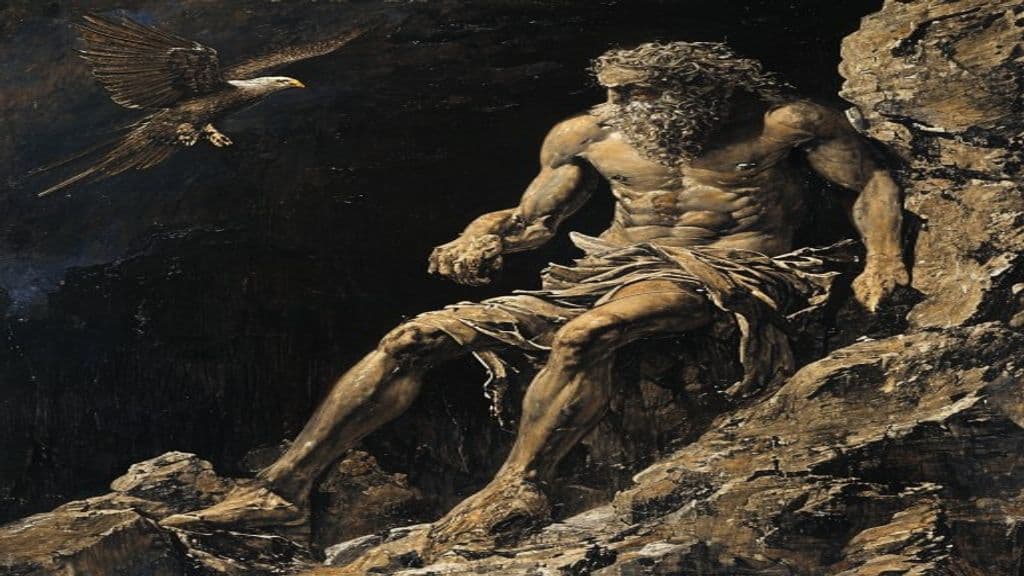
Prometheus
Prometheus is a Titan of ancient Greek myth credited as a benefactor and culture-bringer to humanity, most famously for stealing fire from the Olympian gods and giving it to people. He is portrayed as intelligent and forward-looking (etymologically associated with 'forethought'), and as punished by Zeus for his transgression.
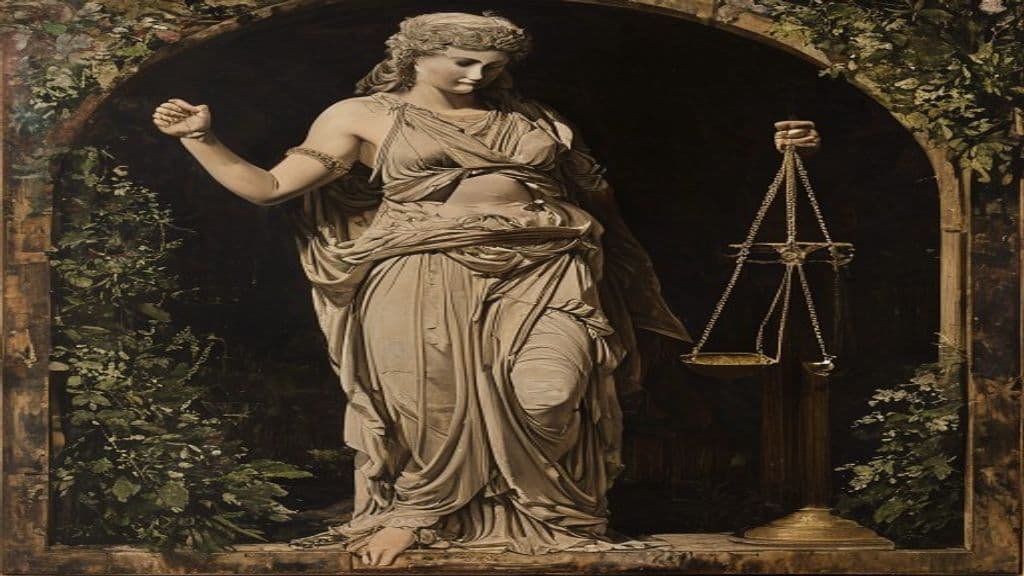
Themis
Themis is the ancient Greek Titaness who personifies themis — the divinely instituted ordering of custom, law, and proper procedure. She functions as an oracular figure, a presider over assemblies and oaths, a counselor in divine councils, and a maternal source of personified moral and cosmic forces.
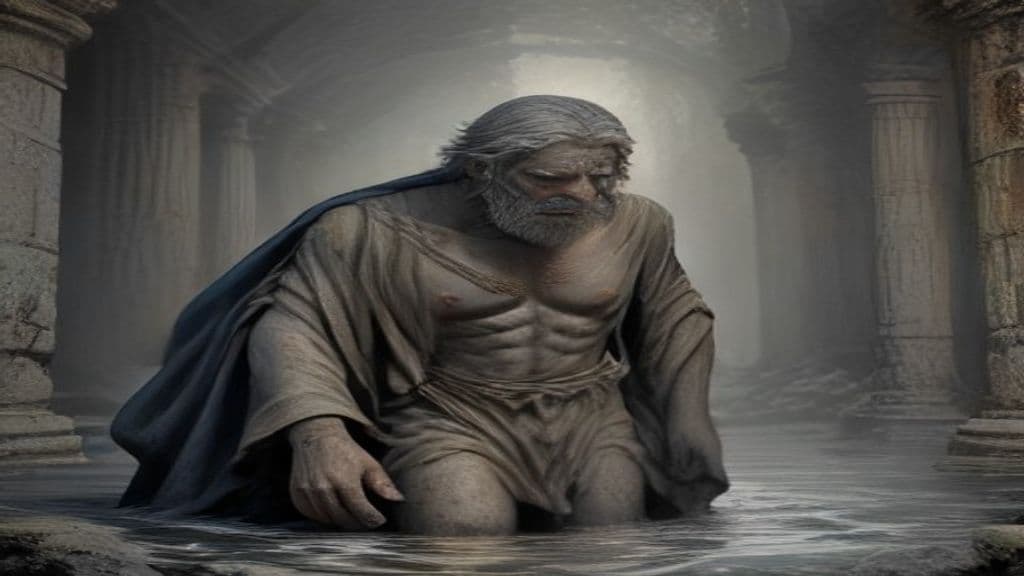
Deucalion
Deucalion (Ancient Greek: Δευκαλίων) is a mortal culture-hero in Greek myth who survives a divinely-sent primeval flood and, with his wife Pyrrha, re-populates the world by throwing stones that become humans. He is portrayed as a king, founder of cities and temples, and son of Prometheus in many traditions.
Community Record
- [1]Pyrrha (Wikipedia). Wikipedia, 'Pyrrha (mythology)'wiki
- [2]Pyrrha (Wikidata). Wikidata entry Q622809wiki
- [3]Deucalion and Pyrrha Repeople the World (Bernard Picart engraving page). Engraving and commentary on Deucalion and Pyrrha repopulation sceneother
- [4]The Myth of Deucalion and Pyrrha: The Great Flood in Greek Mythology | TheCollector. Article summarizing Deucalion and Pyrrha myth and variantsother
- [5]Summary notes and quotations (compiled research notes supplied). Compiled source summaries referencing Ovid, Horace, Parian Chronicle and classical variants (provided research notes)literary