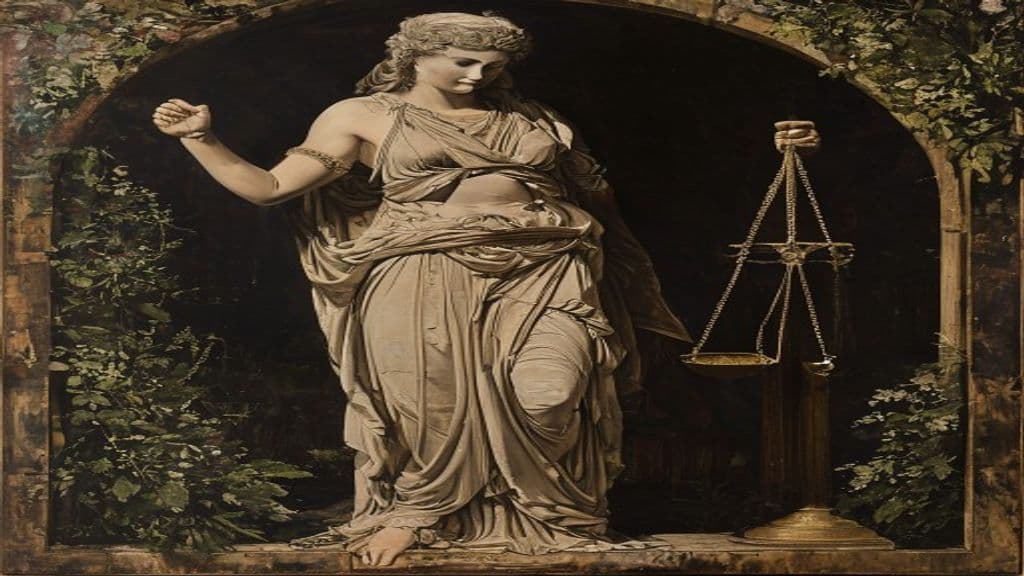
In Hesiodic and related Greek traditions Themis is a Titaness, daughter of Gaia (Earth) and Uranus (Sky). As a primordial figure of divine order she is integrated into later Olympian governance: some accounts make her a consort and counselor to Zeus and a mother of personified forces (the Horae, the Moirai/Dike in varying genealogies). She embodies the principle of 'that which is put in place' — the divine custom and normative order that structures human and cosmic affairs.
Classical literary and iconographic descriptions vary; some portray Themis as a sober-looking woman holding scales and occasionally a sword, while other representations emphasize her identity with earth-goddess imagery and visual similarity to Gaia. Descriptions are not strictly standardized across sources.
Themis's primary functions are oracular, juridical, and constitutional: she is represented as an oracular figure connected with Delphi (in some versions building or transmitting the oracle), gives prophecies and warnings to gods and humans, presides over oaths and assemblies, and embodies the normative order (custom, proper procedure, and divine decree). She participates in deliberation among the gods (tasked with calling councils or serving as their presiding principle), nurses or fosters certain deities in some traditions, and is genealogically associated with personified daughters who carry out justice, seasons, and fate. She is an ordering principle rather than an agent of wrath; punitive enforcement when Themis is disregarded is often attributed to other personifications like Nemesis.
Weaknesses
- conditionLimited punitive agency — embodies order rather than wrathful retribution
- otherWhen her authority is ignored, retributive action is enacted by Nemesis rather than Themis herself
Wards
- conditionAdherence to themis (right custom, proper procedure, and respect for oaths)
- otherObedience to institutional and ritual norms (judicial roles such as themistopóloi who serve Themis)
Nemesis
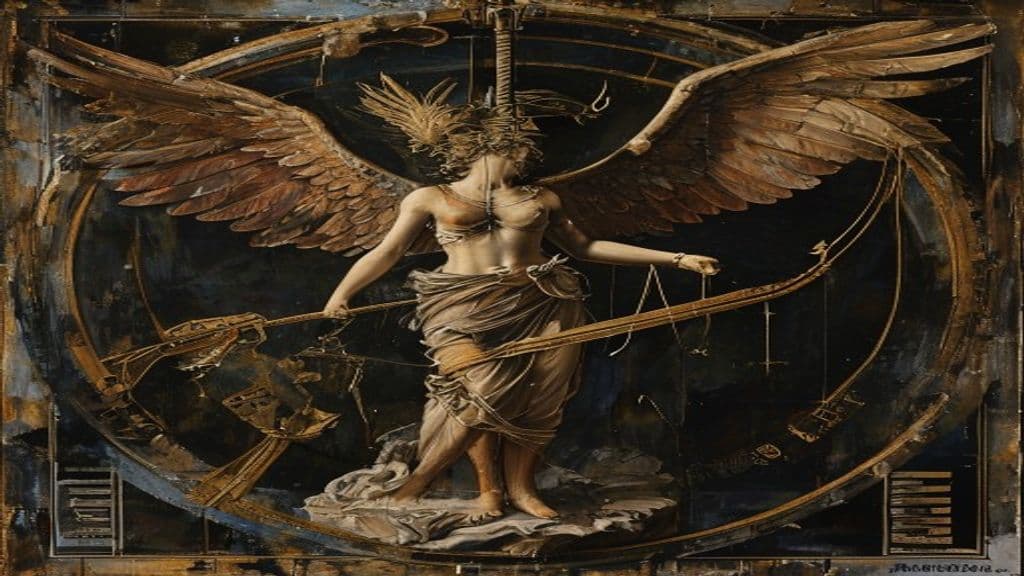
Nemesis (Greek: Νέμεσις), also called Rhamnousía in her local cult, is the personified goddess of distributive justice and retributive balance in ancient Greek religion and myth. She functions to restore due measure—rewarding or withholding according to desert—and punishes hubris and excessive fortune.
Apollo
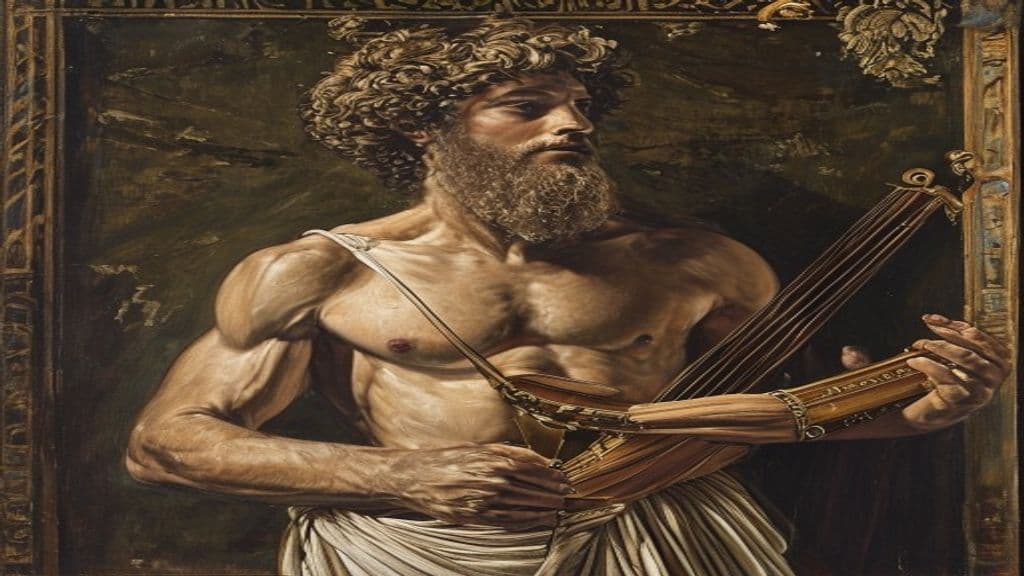
Olympian deity of ancient Greek religion associated with prophecy, healing, music, archery, purification, and civic order. Principal patron of the Delphic oracle, protector of youth and flocks, and ambivalently both healer and bringer of plague.

Zeus
Zeus (Ancient Greek: Ζεύς) is the supreme deity of the classical Greek pantheon, a sky-and-thunder god who rules as king of the gods on Mount Olympus and functions as a sky‑father who assigns roles among the immortals.
Community Record
- [1]Themis – Wikipedia. Wikipedia, entry 'Themis'wiki
- [2]Wikidata: Themis. Wikidata entry for Themisother
- [3]Themis: The Flood, Deucalion and Pyrrha (Ovid's Metamorphoses) — webwinds. Web summary referencing Themis in the Deucalion narrativeliterary
- [4]Perma archive and supplementary notes. Archived notes referenced in research packetother