In classical tradition Rhadamanthus is presented as a Cretan king and legislator, son of Zeus and Europa in the standard genealogy, brother of Minos and—by some accounts—half-brother of Aeacus. Variant local and later traditions produce alternate genealogical connections (for example links with Talos or Hephaestus in some accounts and scholia). He is credited with founding laws and civic ordinances for Crete (notably rules about oath-swearing and provisions concerning legitimate self-defense). Later (from around the 5th–4th century BCE in literary usage) his exemplary integrity leads to his being appointed one of the judges of the dead: Homer places him dwelling in the Elysian Fields, Plato (Gorgias 524A as reported in later summaries) assigns him judicial jurisdiction over eastern souls with Aeacus judging western souls and Minos holding a casting vote, and Lucian represents him presiding over heroes on the Isles of the Blest. Some traditions narrate that he was driven from Crete and went into exile in Boeotia, where he is said in certain accounts to have married Alcmene and to have associated with the young Heracles as tutor in archery (reported in later commentators).
Classical sources cited in the provided material give no consistent sensory or iconographic description of Rhadamanthus; literary references locate him by status and function (king, legislator, judge of the dead) rather than by a specific physical portrait. Homeric and later authors emphasize his residence in paradisiacal regions of the afterlife (Elysium, Isles of the Blest) and his role and demeanor as an emblem of strict, inflexible justice; extant summaries and references therefore depict him through actions and offices rather than through bodily detail.
Rhadamanthus's principal attributed powers are judicial and legislative rather than miraculous: as mortal king he is credited with creating laws and civic ordinances for Crete (including ordinances on oath practices and rules protecting those who legitimately defend themselves). In later legend he functions as a posthumous adjudicator of souls, empowered to examine and determine penalties or rewards for the dead. Sources present him as one of the three principal judges of the underworld (with Aeacus and Minos), with a specified regional remit in some accounts (judge of eastern souls). Classical authors use his name as a byword for stern and impartial judgment; other biographical attributions in later or variant traditions include exile from Crete, marriage to Alcmene, and role as tutor to Heracles (per later commentarial traditions).
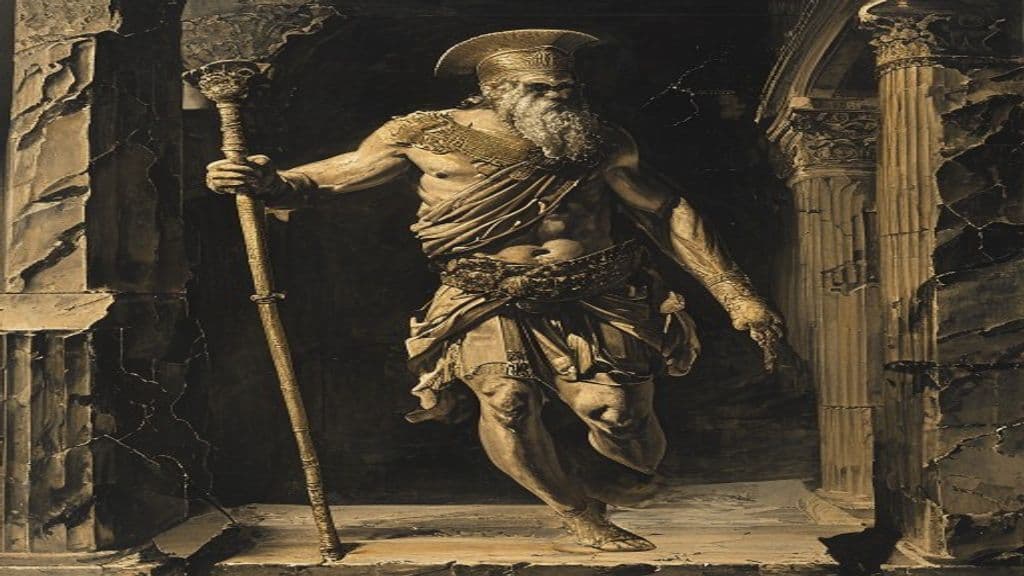
Aeacus
Aeacus is a mythic king of the island of Aegina in Greek tradition, famed for his justice and piety. After death he is accorded a permanent office in Hades as one of the three judges of the dead alongside Minos and Rhadamanthus, and he is the eponymous ancestor of the Aeacidae.
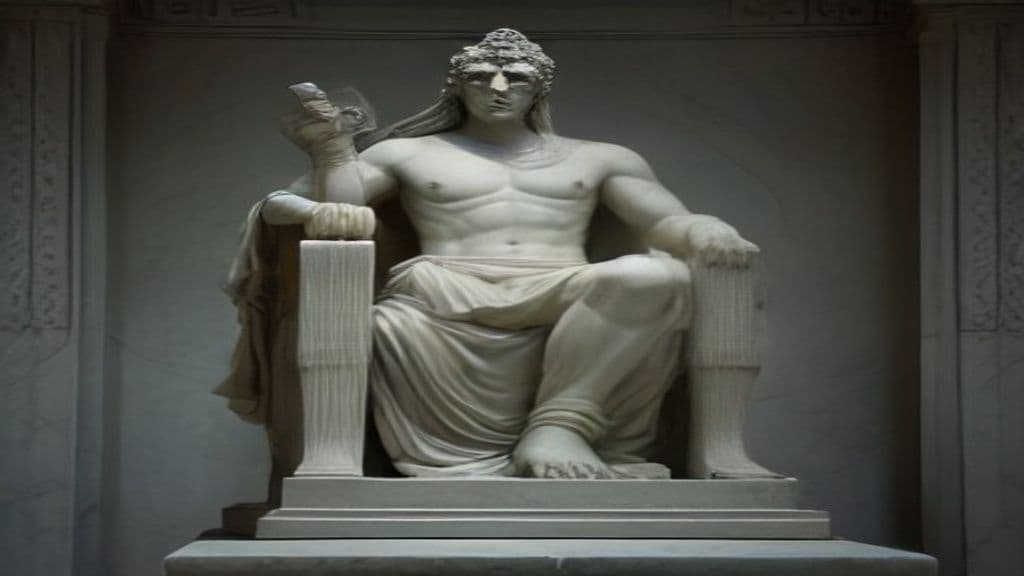
Minos
Minos is a legendary Cretan king in ancient Greek myth, remembered as a lawgiver and founder of Cretan naval power in life and as one of the three judges of the dead in Hades after death. Classical sources present him as a semi-divine, politically powerful mortal (son of Zeus and Europa) whose authority is both terrestrial and judicial in the afterlife.
Community Record
- [1]Rhadamanthus - Wikipedia. Wikipedia: 'Rhadamanthus' entry (as provided in research notes)wiki
- [2]Odyssey (references summarized). Homer, Odyssey iv.564 (as cited in source notes) — places Rhadamanthus in the Elysian Fields (summary in research notes)literary
- [3]Plato, Gorgias (summary reference). Plato, Gorgias 524A (as cited in source notes) — allocates judicial roles among Rhadamanthus, Aeacus, and Minos (summary in research notes)literary
- [4]Lucian, True History (summary reference). Lucian, True History (as cited in research notes) — depicts Rhadamanthus presiding over heroes on the Isles of the Blestliterary
- [5]Collected research notes (archive and miscellanea). Compiled secondary materials and collected references on Rhadamanthus (archive link provided in research notes)other