Born in Alba Longa to Rhea Silvia (Ilia), daughter of the deposed king Numitor, the twins were endangered by the usurper Amulius who ordered them exposed. In the tradition summarized by classical and later sources they were saved at the Tiber—accounts attribute their preservation to the river god Tiberinus and the emblematic care of a she‑wolf—and raised by a shepherd, Faustulus. As youths they became leaders, restored Numitor by overthrowing Amulius, and agreed to found a city. A dispute over the auspices and site (Palatine preferred by Romulus; Aventine by Remus) was settled by a contest of augury; after the contest one twin (Remus) was killed—sources differ as to whether Romulus himself slew him or whether he was killed by Romulus's supporters—and Romulus went on to found Rome and establish its early institutions and rites. The foundation is traditionally dated to 753 BC in Roman historiography, though the narrative was written down and varied in form over centuries.
No detailed individual physical descriptions are given in the provided sources. The most iconic associated image in literary and artistic tradition is that of a she‑wolf suckling the infant twins, a motif attested in Roman art and literature and used as a symbol of the city from at least the late 3rd century BC. Narratives otherwise present the twins as human youths raised tending flocks and later as adult leaders and warriors consistent with mortal royal founders.
The twins are not described in the provided material as possessing inherent supernatural powers. Their notable capacities in the tradition are political and military leadership, charisma in attracting followers, and the ability to institute civic, military, and religious structures—Romulus in particular is credited with founding the city, its government, military organization, and religious traditions. The story also involves appeals to divine agency (reported paternity by Mars in some accounts), divine rescue (Tiberinus), and use of augury as a ritual means of securing the gods' approval for public acts.
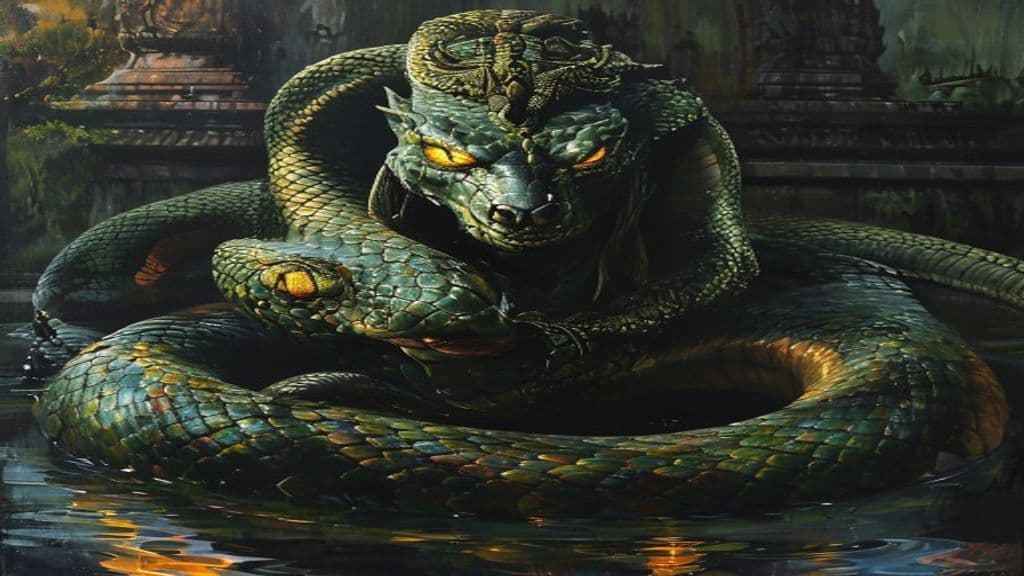
Naga
Divine serpent beings of Hindu, Buddhist, and Jain cosmology — powerful guardians of water, earth, and underground treasures. Revered as deities in South and Southeast Asia.
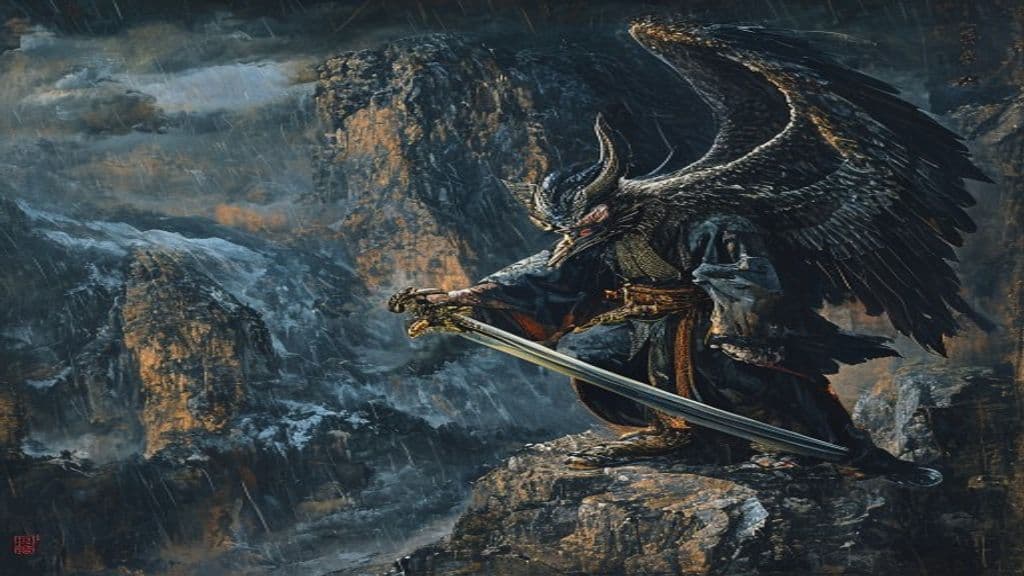
Tengu
Proud, warrior-like mountain spirits of Japan, associated with martial arts, pride, and the wild mountains. Neither fully good nor evil — they test and train warriors and monks, but punish the arrogant.
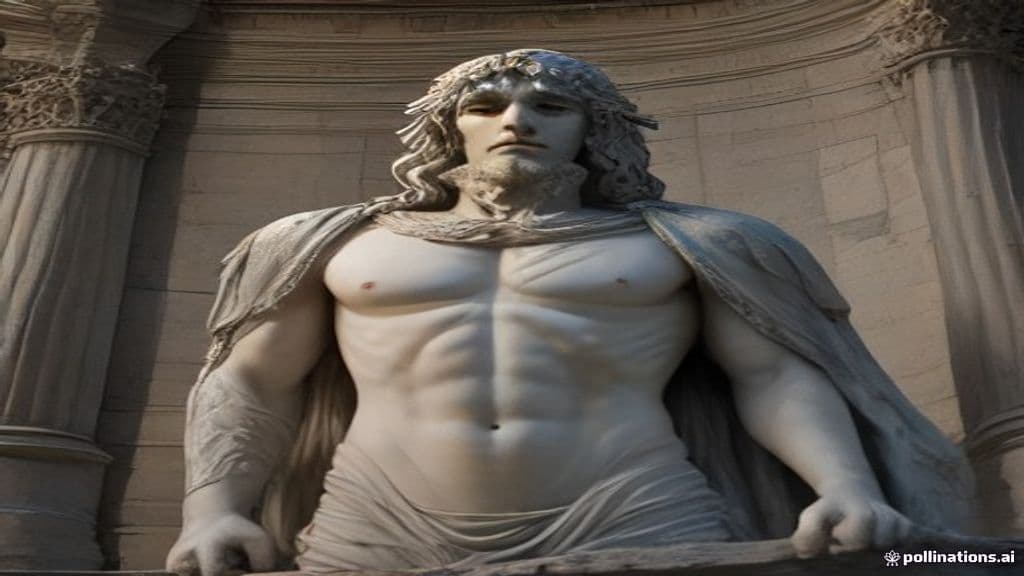
Tiberinus
Tiberinus is the Roman name attested for the divine personification of the River Tiber and separately for a legendary king, Tiberinus Silvius, listed among the early kings of Alba Longa. The name thus appears in two registers of Roman tradition: as a river-god tied to Rome's central watercourse and as a figure in mytho-historical genealogies.
Community Record
- [1]Romulus and Remus. Wikipedia contributors, 'Romulus and Remus,' Wikipedia, The Free Encyclopedia.wiki
- [2]Romulus and Remus (Wikidata). Wikidata entry Q2197, 'Romulus and Remus.'wiki
- [3]Numa Pompilius #history #rome #romans #kings (archive video). Archive.org entry for a popular video referencing Roman kings/mythology.other
- [4]Non, les Romains n'ont pas tout copié sur les Grecs ! - La fondation de Rome (archive video). Archive.org entry for a popular educational video on the foundation of Rome.other