
In the Puranic/Daksha‑sacrifice narrative recorded in the supplied material, Sati is daughter of Daksha and wife of Śiva. When Daksha, as leader among the Prajāpatis, held a great sacrifice and affronted Śiva by refusing respect, Daksha's offense and harsh words against Śiva led Sati to protest the insult to her husband. In the cited account this conflict culminates with Sati giving up her life (self‑immolation) in response to the dishonor; the episode is narrated as explanatory of divine relationships and as exemplifying her fidelity. Later tradition, reflected in the sources, identifies Sati with Dakshayani and treats her as the earlier form of the goddess who subsequently appears as Parvati, continuing the conjugal relationship with Śiva in later stories.
The provided sources do not supply a fixed, detailed iconographic description of Sati. She is primarily attested by her relationships and cultic roles: daughter of Daksha, wife of Śiva, and worshipped as an aspect of the Divine Mother. Sources therefore describe her by function and identity (Dakshayani, Sati Mata) and by association with maternal and marital attributes (goddess of marital felicity and longevity) rather than by bodily or costume details.
The emphasis in the sources is on Sati's moral and cultic role rather than catalogued supernatural feats. Her defining action in the Daksha‑sacrifice story is her voluntary death in protest at Daksha's insult to Śiva; that act and its consequences (Śiva's grief and anger are central in the wider narrative context cited) constitute her primary mythic efficacy. She is venerated for influence over marital felicity and longevity, and later tradition identifies her with the goddess who resumes Śiva's consort role as Parvati/Dakshayani.
Weaknesses
- otherNo weaknesses recorded in supplied sources
Wards
- otherNo wards recorded in supplied sources (Sati is an object of worship, not an afflicting entity)

Shiva
Shiva (Sanskrit: Śiva) is one of the principal deities of Hinduism, central to Shaivism and pan-Hindu worship. Portrayed as a paradoxical figure—ascetic yogi, householder, warrior and cosmic agent—he is described as the auspicious One who creates, protects and transforms the universe and is commonly associated with dissolution within the Trimurti framework.
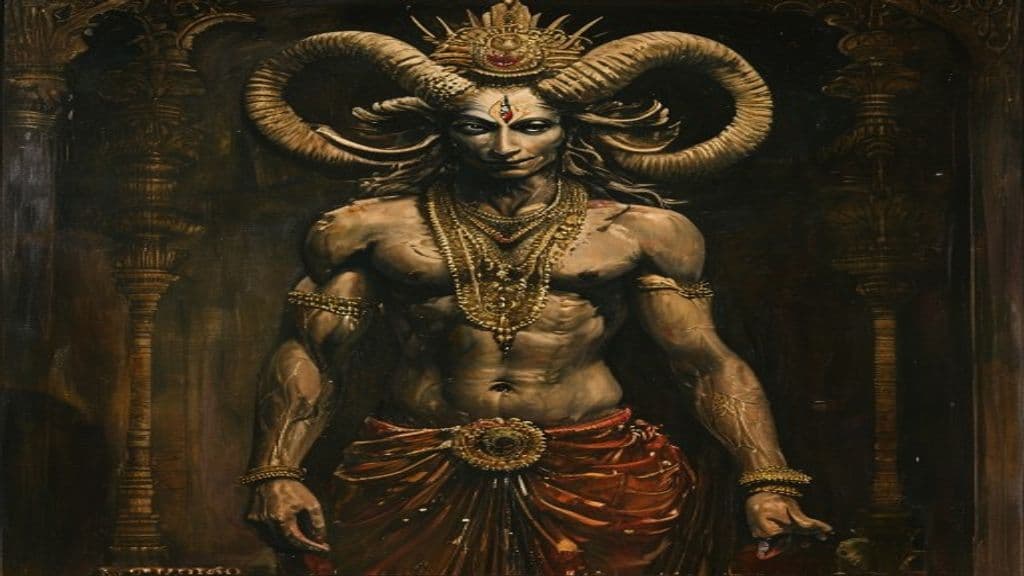
Daksha
Daksha (Sanskrit: दक्ष) is a mythic Prajapati and creator-agent in Hindu textual tradition, remembered as a progenitor who presides over yajna and begets lineages. He appears in Vedic, Itihasa, and Puranic sources as a ritual expert and patriarch whose actions in the Daksha yajna narrative produce major mythic consequences (Sati's self-immolation, Shiva's wrath, origin of Shakti Peethas).
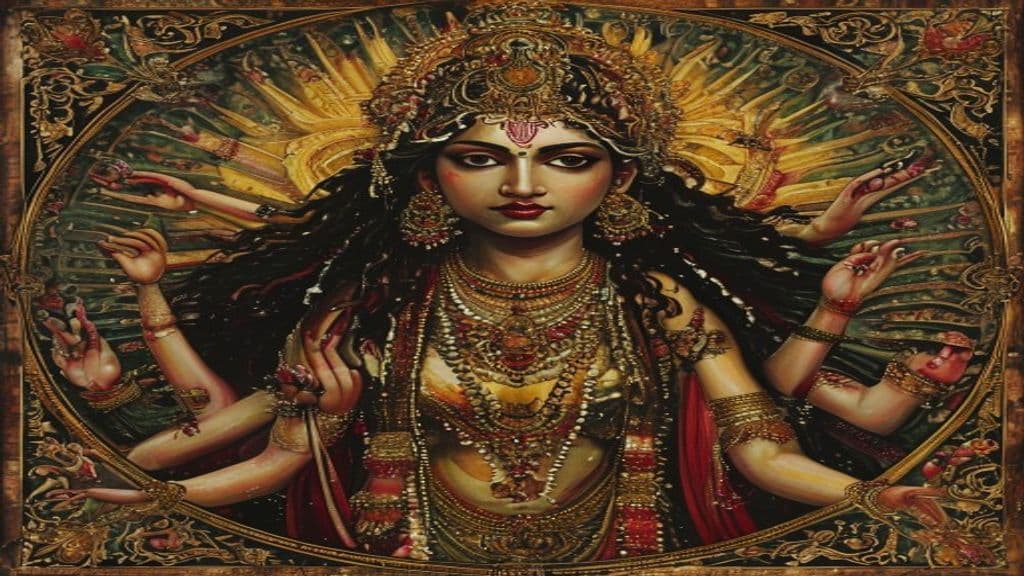
Parvati
Parvati is a principal goddess in Hindu tradition, worshipped as the consort of Shiva and as his shakti (divine power). She embodies a range of roles — devoted wife and mother, fertility and nourishment-giver, and in other manifestations a ferocious protector who destroys evil.
Community Record
- [1]Sati (Hindu goddess) — Wikipedia. Wikipedia, 'Sati (Hindu goddess)'wiki
- [2]Sati — disambiguation (includes practice and goddess). Wikipedia, 'Sati' disambiguationwiki
- [3]Daksha‑sacrifice narrative excerpt (archive source). Archive recording containing commentary and recitation of Puranic episodes (Daksha‑sacrifice cited in research notes)literary
- [4]World History Commons — Long Teaching Module: Sati. Long Teaching Module: 'Sati' (context on term and cultural history)other
- [5]Untitled Document — suttee discussion (Zinbun, Kyoto). Discussion of the historical term 'suttee' and distinctions between goddess and later funerary practiceother