No single origin narrative for the se'irim is provided in the cited sources. Biblical and later exegetical materials project a semantic development from the ordinary Hebrew word sa'ir ('he-goat') to a supernatural category; targumim, the Peshitta, the Latin Vulgate (Jerome) and some commentators map the term onto analogous Greco-Roman and Near Eastern figures (satyrs, fauns, jinn/ifrit in comparative scholarship). The sources do not supply a mythic creation story or unified provenance for the beings.
The primary lexical meaning of sa'ir is 'he-goat', and biblical usage and later translations associate se'irim with goat imagery. The Latin Vulgate renders the term pilosus ('hairy'), and Jerome equated the figures with satyrs, prompting a reception of them as hairy, goat-like or satyr-like beings. The cited texts do not offer a standardized or detailed iconography beyond the goat/’hairy’ and satyr associations.
The cited sources do not enumerate specific supernatural powers. Se'irim are described as a kind of demon or spirit (linked by Ibn Ezra to shedim) and are consistently associated with desolate, ruined, or liminal spaces—ruins, wilderness, and, in some Dead Sea Scrolls passages, the nether regions (texts describe those regions as 'full of Se'irim'). Prophetic passages group them with wild animals and howling creatures to portray places rendered inhospitable by divine judgment. Later translations and commentators compare them to shedim, satyrs, jinn, or ifrit, and some traditions imply they might be objects of cultic attention—an idea explicitly warned against in Leviticus 17:7 and by Ibn Ezra, who treats seeking them out as religious error.
Weaknesses
- conditionavoidance by correct worship/orthodoxy (scriptural prohibition)
- othertheological repudiation (Ibn Ezra: belief in or seeking them is an error that leads people away from God)
Wards
- ritualLevitical prohibition against sacrifice to the se'irim
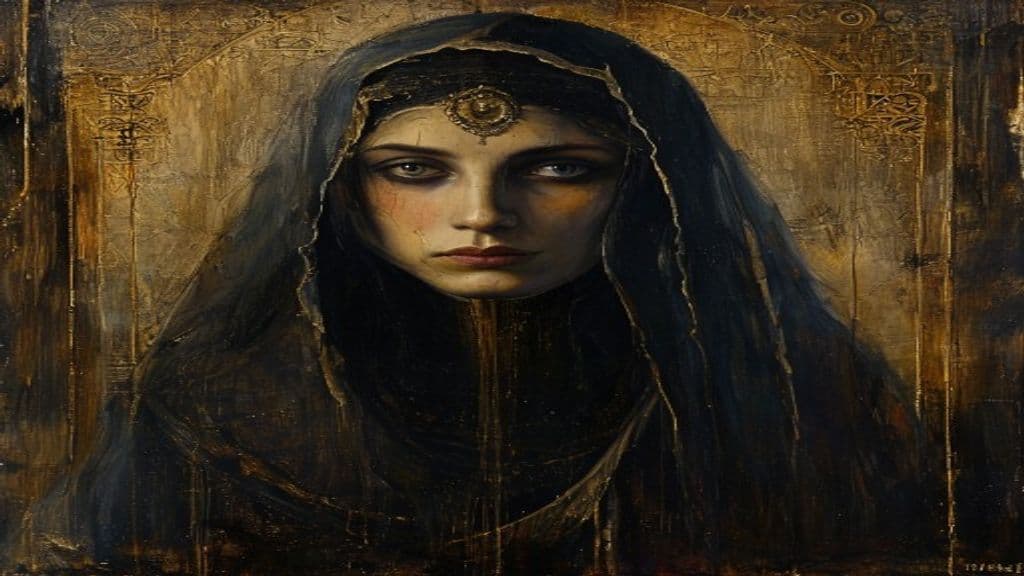
Shedim
In Jewish tradition, Shedim are spirits associated with foreign deities and idolatrous worship, embodying a theological context where monotheistic devotion is threatened by other divine entities. (Note: 1. Factual claim "Primordial" power tier should be adjusted to "Ancient", as Shedim are described as tied to foreign deities and do not appear to possess cosmic-level powers. 2. Remove reference to "m)
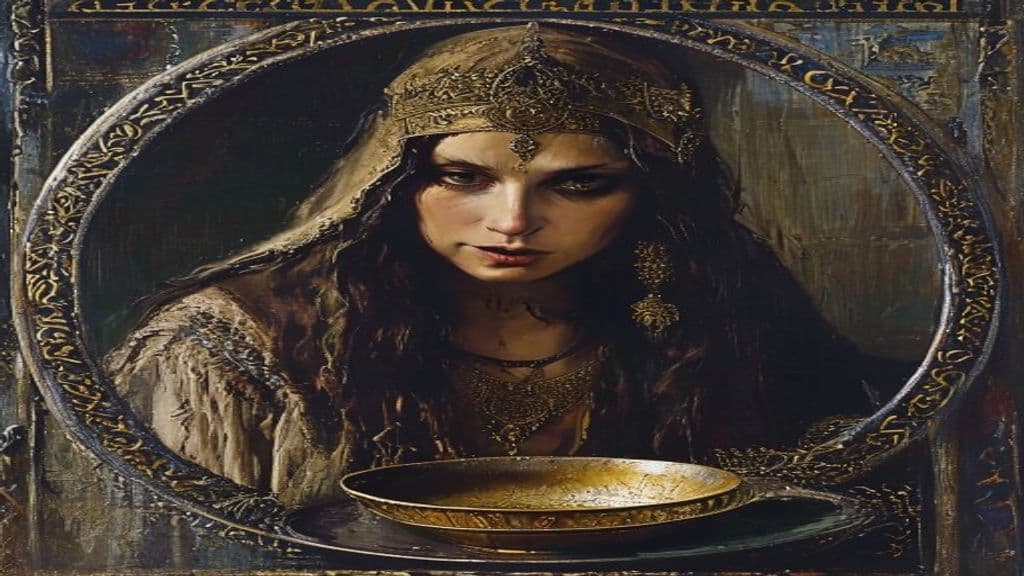
Lilith
Lilith is a feminine night‑spirit in Jewish mythic, magical, and folkloric traditions associated with harmful nocturnal activity, especially threats to sleeping people and infants. The figure appears both as a class of night‑spirits (lilit/lilītu) in Near Eastern demonologies and as an individualized dangerous woman in later medieval Jewish narratives and amulets.
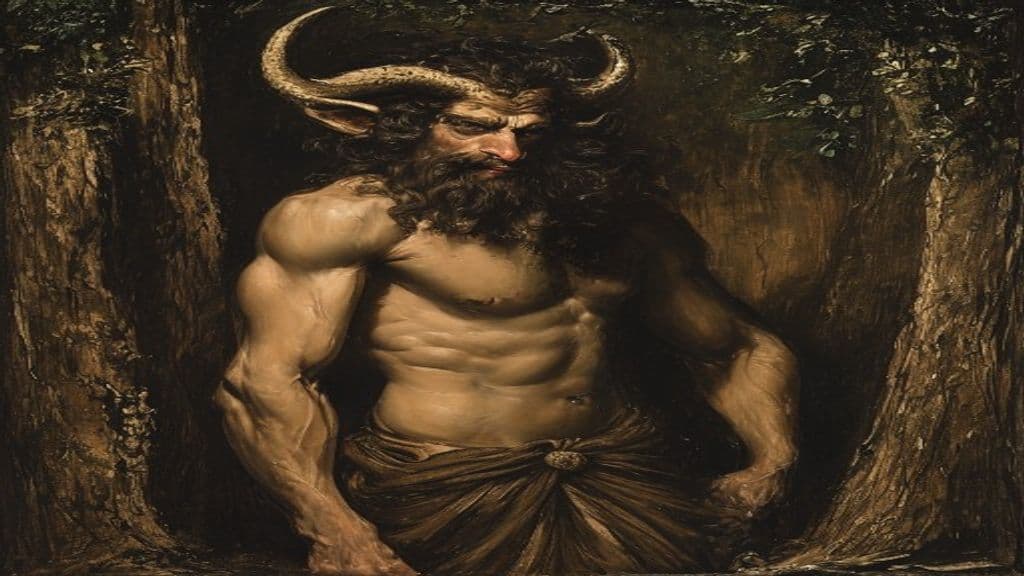
Satyr
In ancient Greek tradition a satyr (σάτυρος, sátyros) is a male nature spirit of woodlands, mountains, and pastures who accompanies Dionysus (and is later identified with Pan/fauns). Satyrs embody ribaldry, music, dance, and unrestrained sexuality and appear collectively (as a chorus) in the satyr play as well as individually in mythic episodes (e.g., Marsyas, Silenus).
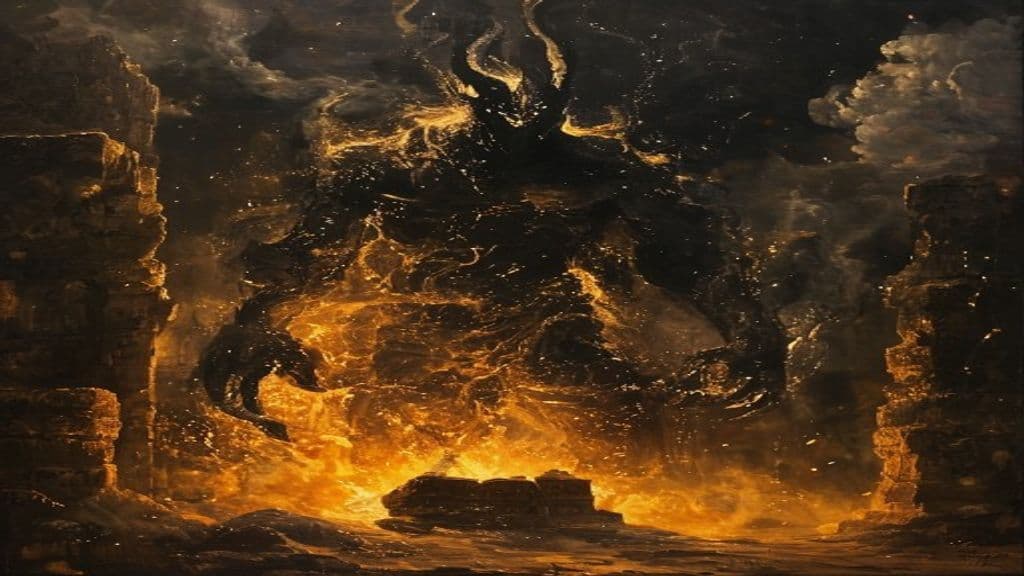
Ifrit
One of the most powerful classes of jinn in Islamic and pre-Islamic Arab tradition — a fire-born being of immense strength and cunning, capable of great works of engineering and terrible violence.
Community Record
- [1]Se'irim — Wikipedia. Wikipedia, 'Se'irim' entry (summary and cited passages such as Leviticus 17:7, Isaiah 13:21, Isaiah 34:14, Vulgate rendering, Dead Sea Scrolls reference, and Ibn Ezra commentary).wiki
- [2]Se'irim — Wikidata. Wikidata entry summary describing se'irim as 'a kind of demon.'wiki