
Shamash/Utu is described in Mesopotamian genealogies as a child of the moon god Nanna (Sin) and the goddess Ningal. He is the twin brother of the goddess Inanna/Ishtar and the husband of the dawn goddess Aya (also Sherida). Among his offspring are Kittum (the personification of truth), dream deities such as Mamu, and the god Ishum. He is closely associated with the cult centers of Sippar and Larsa and participates throughout myth and ritual as a cosmic sun-deity whose daily course provides the basis for his judicial and protective roles.
While detailed anthropomorphic iconography is not exhaustively documented in the supplied notes, Shamash/Utu is associated with solar emblems such as the solar disk and winged-sun motifs. In Mesopotamian religious art and inscriptions the god is represented as the personified sun — grammatically and theologically masculine in Mesopotamian contexts — often signaled by solar symbols (for example the disk and sometimes winged solar imagery) that mark his identity as the visible sun incarnate.
Shamash is conceived as the all-seeing sun: he 'sees everything that happened in the world every day,' which grounds his primary role as divine judge and guarantor of justice. He protects travelers, functions as a patron and ally to mythic heroes (for example aiding Gilgamesh against Humbaba in some traditions and aiding Dumuzi against galla demons), and is invoked in divination, often alongside the weather god Adad. His sight and judicial capacity extend into associations with the underworld in his role as judge. The god's name appears in theophoric personal names indicating protective and authoritative capacities, and certain local priestly traditions (notably in Sippar) at times emphasized his supremacy within the pantheon.

Inanna
Inanna is a major ancient Mesopotamian goddess, primarily worshipped in Sumer and later identified with the Akkadian Ishtar. Her domains include love, sex, war, political power, divine law and procreation; she is a principal cult figure of Uruk and bearer of the mes, the decrees of civilization.
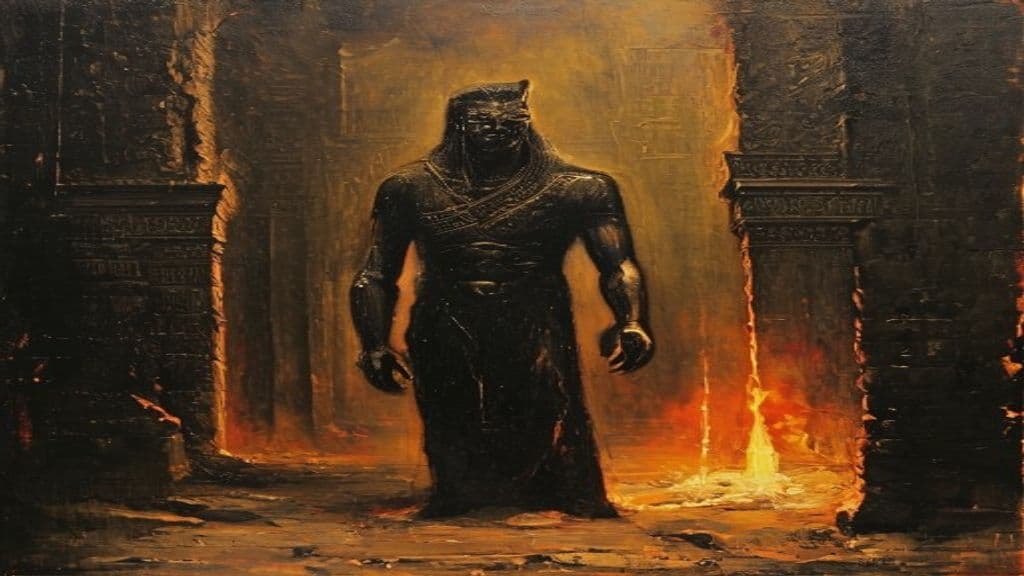
Ishum
Ishum (Akkadian Išum) is a Mesopotamian deity of Akkadian origin who functions primarily as a nocturnal, ambulatory guardian associated with streets and the protection of houses from without; in later periods he is integrated into the underworld retinue as an attendant (sukkal) of Nergal/Erra and appears in literary texts such as the Erra epic.
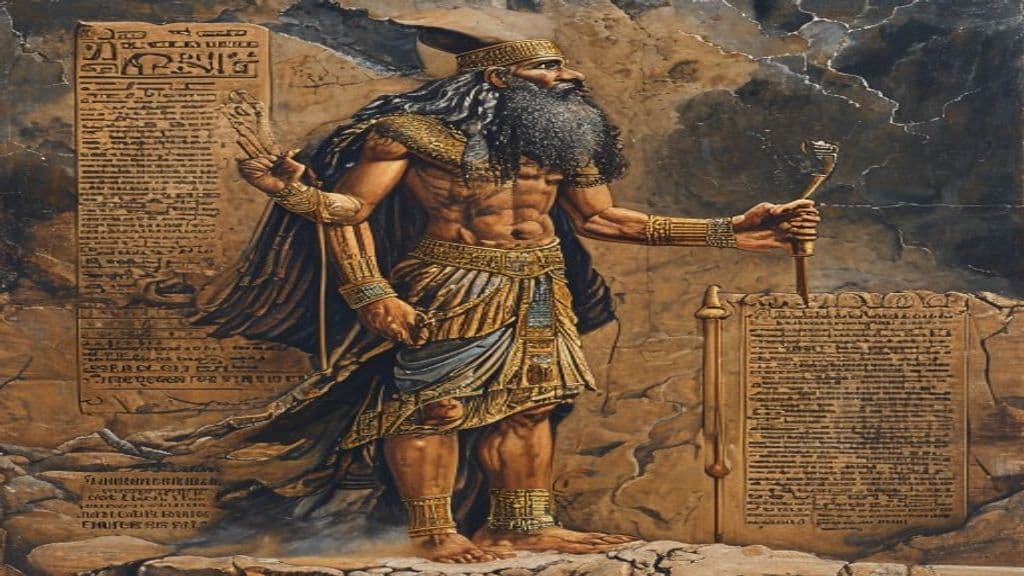
Adad
Adad (also Hadad, Haddad; Sumerian Iškur) is the storm- and rain-deity attested in ancient Mesopotamian and Canaanite religious contexts. Sources identify him as a principal weather god whose domain is storms and rainfall and whose name appears across multiple Near Eastern languages and sites, including Ebla (as Hadda, c. 2500 BCE).
Community Record
- [1]Shamash - Wikipedia. Wikipedia contributors, 'Shamash,' Wikipedia, The Free Encyclopedia.wiki
- [2]Wikidata: Shamash. Wikidata entry Q37479159 for Shamash / Utu.other
- [3]Epic of Gilgamesh: Tablet IV (reference to Shamash aiding Gilgamesh). Tablet IV of the Epic of Gilgamesh (ancienttexts.org).literary