The sources describe shapeshifting not as a single origin narrative but as a recurring motif appearing in the oldest forms of totemism and shamanism and in early written epics such as the Epic of Gilgamesh and the Iliad. Rather than arising from one culture or myth, the ability to change form is attested across diverse traditions and historical periods and is used in ritual, mythic, and literary contexts.
There is no single, consistent physical description for shape-shifters as a class in the supplied sources. Appearance varies by tradition and example: individual instances may present as changelings (substituted children), jinns (spiritual beings of Islamic tradition), kitsune (fox-spirits that assume human form), vampires, werewolves (human–animal alternation), or mythic deities like Loki and Vertumnus who assume many guises. The motif covers both wholly other-than-human forms and near-human disguises depending on the culture and narrative.
The core ability reported in the sources is "the ability to physically transform oneself through unnatural means." Shapeshifting appears in early ritual contexts (totemism and shamanism), in epic and literary works (for example characters in the Epic of Gilgamesh and the Iliad), and in diverse folkloric beings and deities: changelings, jinns, kitsune, vampires, werewolves, and figures such as Loki and Vertumnus are cited as examples. In modern usage the motif functions as a literary device across fantasy, children's literature, and popular media. Specific mechanics, purposes, and behaviors of transformation vary by tradition and by the specific named being.
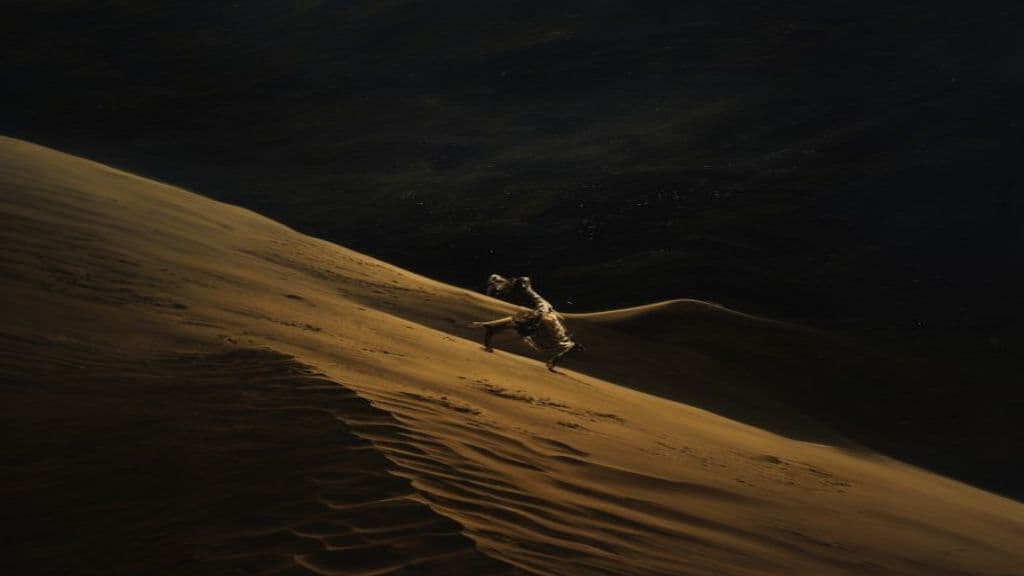
Jann
The weakest class of djinn in Islamic tradition, associated with desert winds and taking the form of snakes or whirlwinds, dwelling in empty wilderness and posing little threat to those who know the proper invocations.
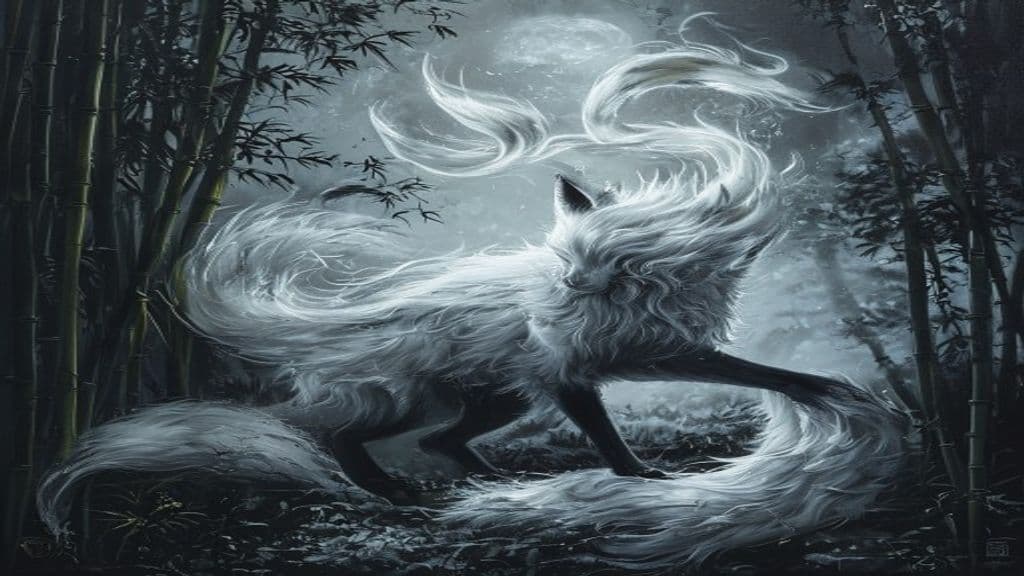
Kitsune
Fox spirits of Japanese mythology — intelligent, long-lived beings who gain additional tails (up to nine) as they age and grow in power. They serve as messengers of the god Inari and as powerful tricksters.

Jinn
A class of supernatural beings from pre-Islamic Arabian religion later integrated into Islamic theology; jinn are created, morally accountable entities distinct from humans and angels, often unseen but capable of taking visible forms and interacting with people in varied ways.
Kitsune
Fox spirits of Japanese mythology — intelligent, long-lived beings who gain additional tails (up to nine) as they age and grow in power. They serve as messengers of the god Inari and as powerful tricksters.

Werewolf
A figure of European folklore of a human who can change into a wolf or wolf–human hybrid, variously portrayed as voluntary shapeshifter, cursed afflicted person, or clinical delusion (lycanthropy). Belief in werewolves was entwined with medieval and early modern witchcraft accusations and persisted into Gothic and popular fiction.
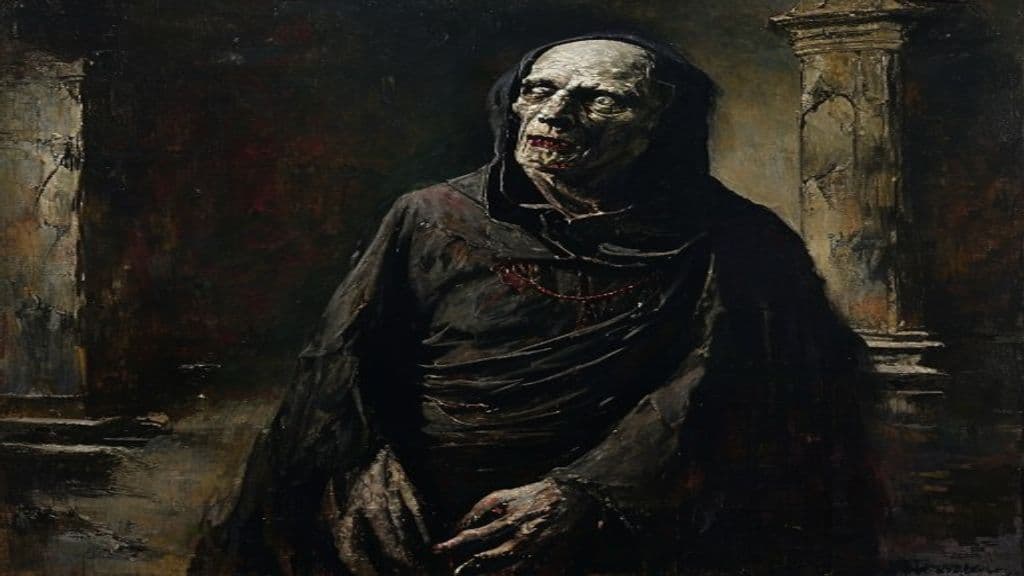
Vampire (tradition)
A class of revenant beings in southeastern and eastern European folk belief that subsist by feeding on the vital essence (generally blood) of the living. Recorded chiefly in early modern to modern oral traditions, these vampires are typically described as reanimated corpses whose presence explains unexplained illness, death, and post-mortem disturbances in their communities.

Loki
A complex figure in Old Norse myth: son of a jötunn and the female figure Laufey, resident among the Æsir, a shape‑changing trickster whose cunning alternately aids and undermines the gods and who is bound for his role in Baldr's death before breaking free to fight at Ragnarök.
Community Record
- [1]Shapeshifting (Wikipedia). Wikipedia contributors. "Shapeshifting." Wikipedia, The Free Encyclopedia.wiki
- [2]Wikidata item Q96091686 (Shape-Shifters episode). Wikidata. "Q96091686."other
- [3]UNICUTT TV TIPP Acanto 5.12.2009 The Shape Shifters @ Dance Couture (archive listing). Archive.org. "The Shape Shifters @ Dance Couture" listing.other
- [4]Wanted Pedo Est Une Association De Malfaiteurs (archive listing). Archive.org. "Wanted Pedo Est Une Association De Malfaiteurs" listing.other
- [5]The Wonderful Dog Suit (archive listing). Archive.org. "The Wonderful Dog Suit" listing.other