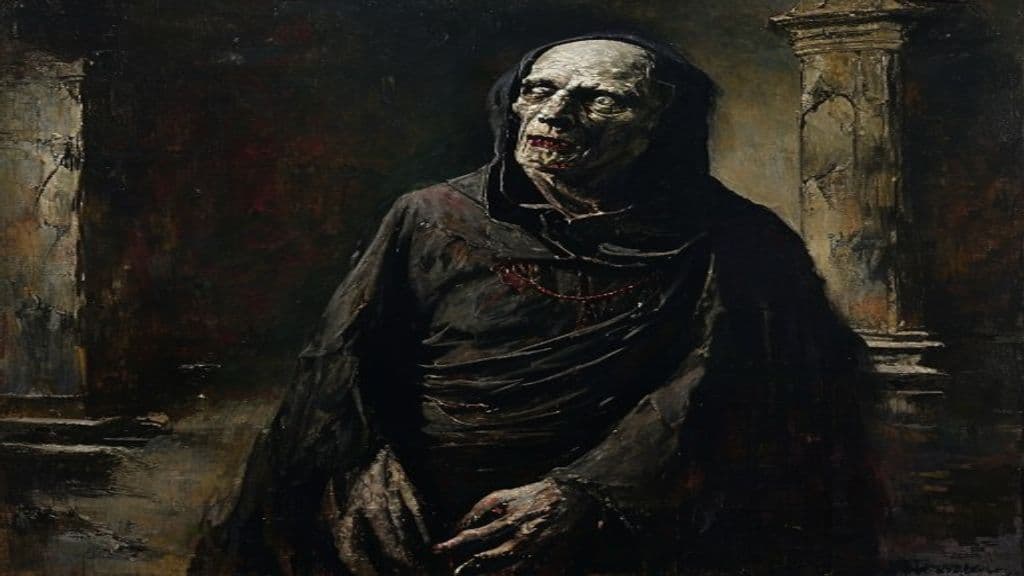
Within the regional folk cosmologies summarized in the sources, vampires are understood primarily as reanimated dead: corpses of persons judged evil in life, suicide victims, witches, or bodies said to be possessed by a malevolent spirit. The modern English term was popularized in Western Europe in the 18th century after reports and moral panics concerning alleged vampirism in southeastern and eastern Europe (for example the widely reported panics of the 1720s–1730s), which brought South Slavic local terms into wider European usage.
Folk accounts from southeastern and eastern Europe typically describe vampires as human-like undead corpses often wearing burial shrouds; older folk descriptions emphasize a bloated form and a ruddy or dark countenance rather than the gaunt, pale image that became common in 19th‑century literature. Exact appearance details vary by locality but the revenant is consistently presented as a corpse returned to activity.
The defining behavior is subsisting on the vital essence of living humans—generally blood—and returning after death to visit kin and neighbours, causing illness or death in the community where it lived. Some traditions recorded in the sources also attest that vampirism could be transmitted by the bite of a vampire; other creation motifs include corpses of those who died unnaturally or were thought evil, or bodies inhabited by hostile spirits. Folkloric accounts functioned as explanatory models for unexplained deaths, decomposition, and contagion anxieties in pre-modern communities.
Weaknesses
- ritualexhumation and piercing / staking
Wards
- ritualexhumation and piercing / staking of suspected corpse
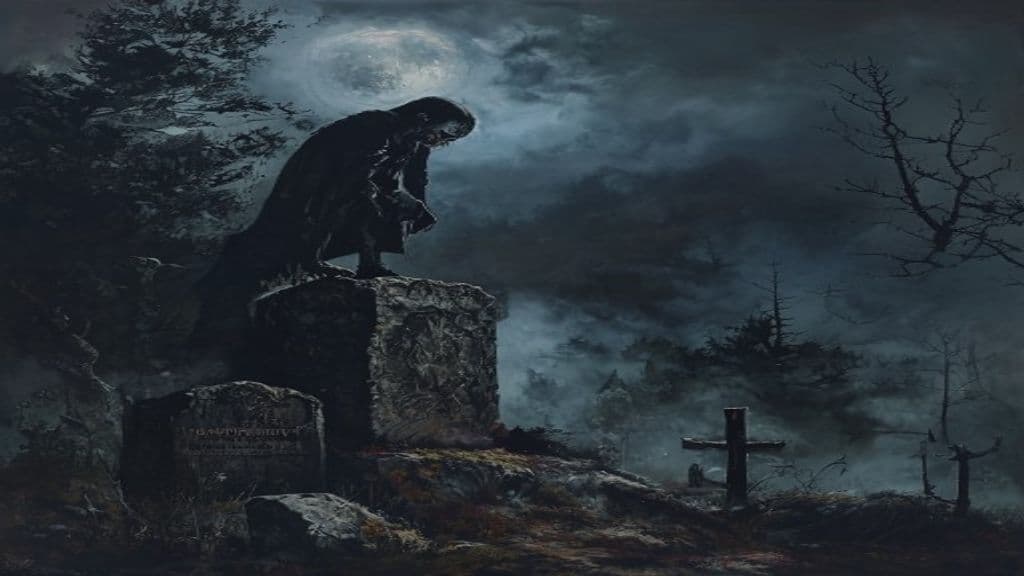
Strigoi
The vampire of Romanian folklore — either a living witch (strigoi viu) or an undead blood-drinker (strigoi mort). The source tradition from which the literary vampire emerged.

Vrykolakas
A harmful undead revenant in Greek folklore that returns from the grave to harm the living. Described as a reanimated corpse associated with poltergeist activity, epidemics, nocturnal roaming, and cannibalistic eating of flesh (especially livers); practices to prevent or destroy it are tied to burial rites and community action.
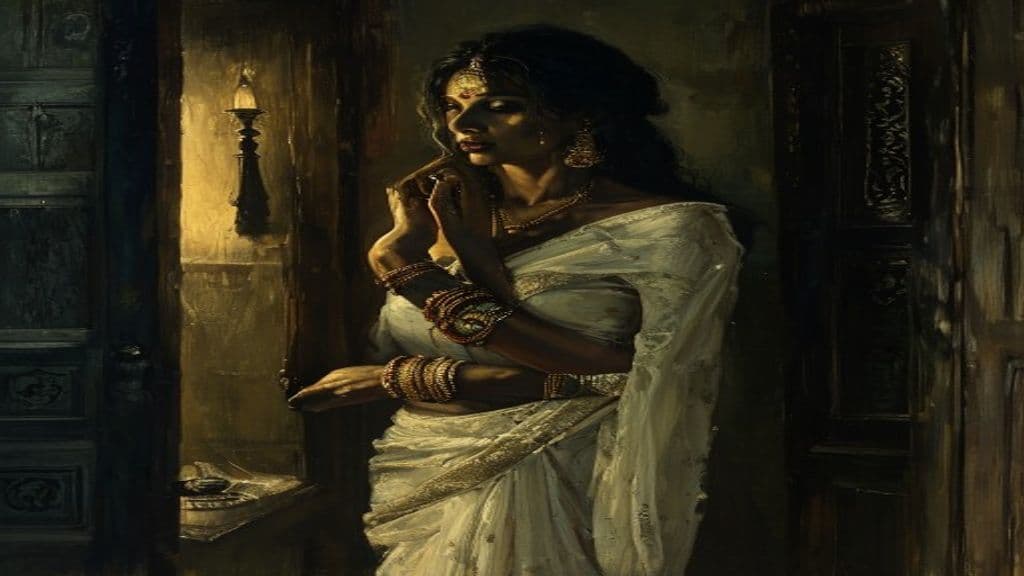
Shakchunni
Bengali ghost of a married Brahmin woman who died before her husband — identifiable by her white sari and conch-shell bangles, she possesses living married women and refuses to relinquish domestic life.
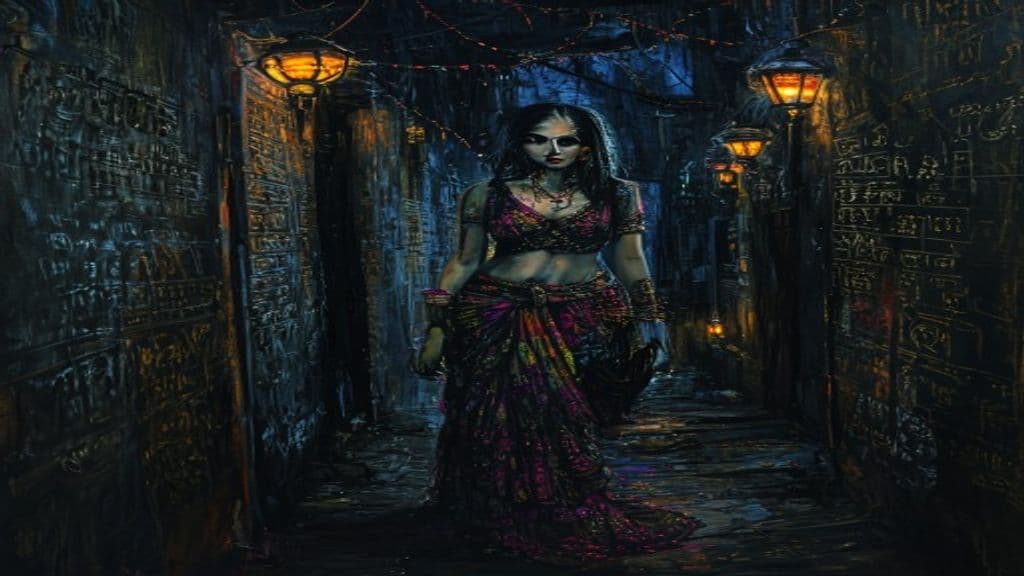
Stree
A vengeful female spirit from Chanderi who abducts men during festival nights. Warded off by the inscription 'O Stree, kal aana' — her legend, still practised on walls across Madhya Pradesh, inspired the 2018 Bollywood horror-comedy.
Stree
A vengeful female spirit from Chanderi who abducts men during festival nights. Warded off by the inscription 'O Stree, kal aana' — her legend, still practised on walls across Madhya Pradesh, inspired the 2018 Bollywood horror-comedy.
Community Record
- [1]Vampire — Wikipedia. Wikipedia, 'Vampire' article (accessed via provided research notes)wiki
- [2]Vampire — Wikidata entry Q3554350. Wikidata entity Q3554350 (not used for folkloric claims beyond shared label)other
- [3]Truth Take: Constitution Vampire (audio entry). Archive.org audio entry referenced in research notes (not used for folkloric claims)other