
Recorded in Akkadian/Sumerian inscriptional and king-list tradition as successor to Naram-Sin, Shar-Kali-Sharri is presented as the king of Agade who continued imperial and cultic projects of his predecessors. The Sumerian King List records his 25-year reign; inscriptions associate his rule with royal progresses, temple work (notably completion of the Ekur at Nippur), and military campaigns. At points in the inscriptional record his name appears with the divine determinative (dingir), and later tradition styles him with divine epithets such as "heroic god of Akkade," indicating that he occupied a liminal status as both mortal monarch and, in some contexts, a deified royal figure.
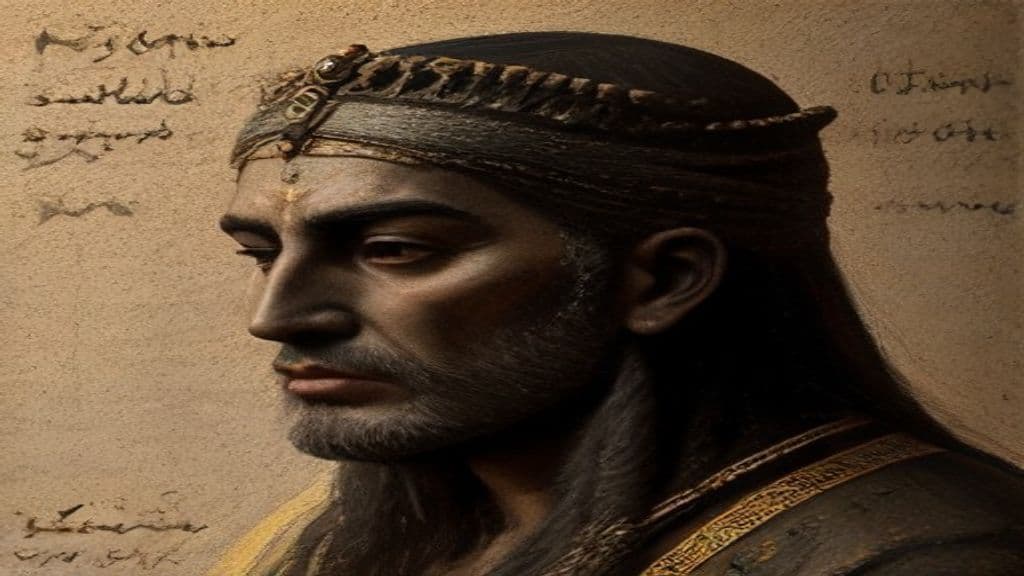
The supplied inscriptional and summary materials do not provide a physical or anthropomorphic description of Shar-Kali-Sharri. His presence in the archaeological record is attested through cuneiform inscriptions and seal impressions that bear his name and titles (orthographic variants include Shar-kali-sharri / Sar-kali-sarri / Sharkalisharri), but no descriptive portrait or detailed iconographic depiction is provided in the quoted sources.
As attested in inscriptions and later summaries, Shar-Kali-Sharri's capacities are political, military, administrative, and cultic rather than supernatural powers described in ritual texts. He led campaigns against groups named in year-names and inscriptions (Lullubi, Amorites/MAR.TU, Gutians and others), appointed and exercised authority over provincial governors and vassals (e.g., seal texts linking Lugal-ushumgal of Lagash as servant), conducted royal progresses and temple-building/dedication (completion of Ekur at Nippur; temples to Ilaba and Annunitum), and issued inscribed dedications and imprecations invoking the gods (for example curses against those who remove building inscriptions). In some inscriptions his name is written with the divine determinative and he is given divine epithets; this reflects a cultural practice of royal deification or posthumous divine status within Akkadian/Sumerian royal ideology.
Weaknesses
- conditionpolitical instability and external pressure (rebellions, Gutian/Amorite incursions)
- conditioninternal revolt / palace coup (traditions report palace upheaval and imperial disintegration)
Wards
- ritualinscribed imprecation on building bricks invoking Enlil, Samas, and Astar
Ilaba
Ilaba is a Mesopotamian deity attested from the Sargonic (Akkadian) period as the city god of Akkad and a tutelary war-god for Akkadian rulers. He is associated with a mace as his emblem, invoked in royal inscriptions, treaties, curse-formulae and continued to appear in post‑Akkadian cultic contexts.

Enlil
Enlil is a principal deity of ancient Mesopotamia, originally preeminent in the Sumerian pantheon as a supreme lord who orders the world by separating heaven (An) from earth (Ki). His principal cult center was the E-kur temple at Nippur, and his cult practices focused on daily offerings and priestly care of his cult statue; mythic traditions portray him as both benefactor and punisher in the administration of cosmic and social order.
Community Record
- [1]Shar-Kali-Sharri — Wikipedia. Wikipedia contributors, "Shar-Kali-Sharri," Wikipedia, The Free Encyclopedia.wiki
- [2]Shar-Kali-Sharri — Wikidata. Wikidata entry Q349653, Shar-Kali-Sharri.other
- [3]Akkad timeline and summaries (Swartzentrover). Timelines and summaries relating to Akkad, Swartzentrover site.other
- [4]Seal inscription and Lugal-ushumgal — Wikipedia. Wikipedia contributors, "Lugal-ushumgal," Wikipedia, The Free Encyclopedia.wiki
- [5]Collected research notes and secondary web summaries. Secondary web summary material on Akkadian culture.other