Sources present Solomonari as human recruits trained in a named school of magic (variants: Scholomance; Romanian: Şolomanţă / Solomonărie). Several collectors report that students learn in an underground school sometimes described as the Devil's school; one frequently cited detail in some accounts is a seven‑year period of study during which students avoid sunlight. Etymological explanations recorded in the sources are multiple and contestatory: a folk derivation links the name to King Solomon plus the occupational suffix -ar; other commentators (Gaster, J. Vulcan cited) proposed hybrid links to Scholomantze/Scholomance (Salamanca) or German Schulmänner (“scholars”). These competing proposals are presented in the material as hypotheses rather than settled fact.
Accounts describe Solomonari as tall, often red‑haired men who may wear long white peasant robes (or ragged patchwork clothing) and sometimes disguise themselves among villagers as beggars—occasionally lame or blindfolded in narratives of concealment. They are said to carry a small semantron (a sounding device) in some variants, or in alternate versions the winds are said to be contained in a little wooden jar. Magical kit items reported across sources include a small magic bag with an iron axe (described as usable like a lightning rod), birchbark reins or a golden bridle for the dragon, and a 'book of wisdom' that contains their lore; some lists mention a branch that has killed a snake. The listed features and objects occur as variant elements in different collector accounts rather than a single uniform inventory.
Solomonari are credited with commanding dragons (zmeu or balaur) and manipulating meteorological forces to produce rain, thunder, and destructive hailstorms; the dragon‑riding is explicitly tied to bringing down hail. Schooling is said to include learning the 'speech of beasts' and other secret knowledges that enable them to summon winds or wind‑spirits (vântoase) with sounding devices. Behaviorally, they are liminal figures: human in origin but exercising supernatural agency, able to select which fields to damage (often remembered as targeting peasants deemed unkind) and sometimes available to be hired to spare or attack crops for modest payment. Some accounts describe Solomonari as clandestine members of rural communities who beg alms and (in one report) throw collected coins into rivers as offerings to water spirits. A minority of commentators classed them in demonized terms—linking apprenticeship to the Devil or, per S. F. Marian, likening them to strigoi/vampires—presented in the sources as interpretive frames rather than unanimous identity claims.
Weaknesses
- conditioncommunity moral observance (faithful keeping of feasts/fasts)
- othercounter‑practitioner intervention (hiring a contrasolomonar)
Wards
- ritualhiring a contrasolomonar (counter‑Solomonari)
- conditionpayment/bribery to placate or pre‑pay for spared season (modest seasonal fee)
- conditioncommunal religious observance (keeping feasts and fasts faithfully)
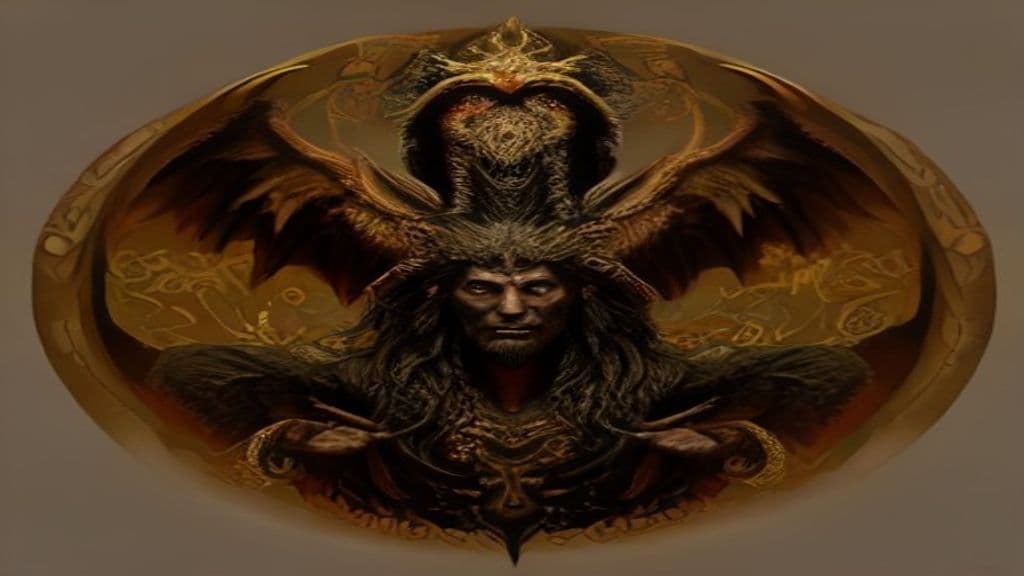
Balaur
In Romanian folklore the balaur is a monstrous serpentine or dragon‑like being, often many‑headed, that functions as predator/abductor, treasure‑guardian, and an agent of meteorological phenomena; in some regional variants it is said to be ridden or controlled by weather‑sorcerers (Solomonari).
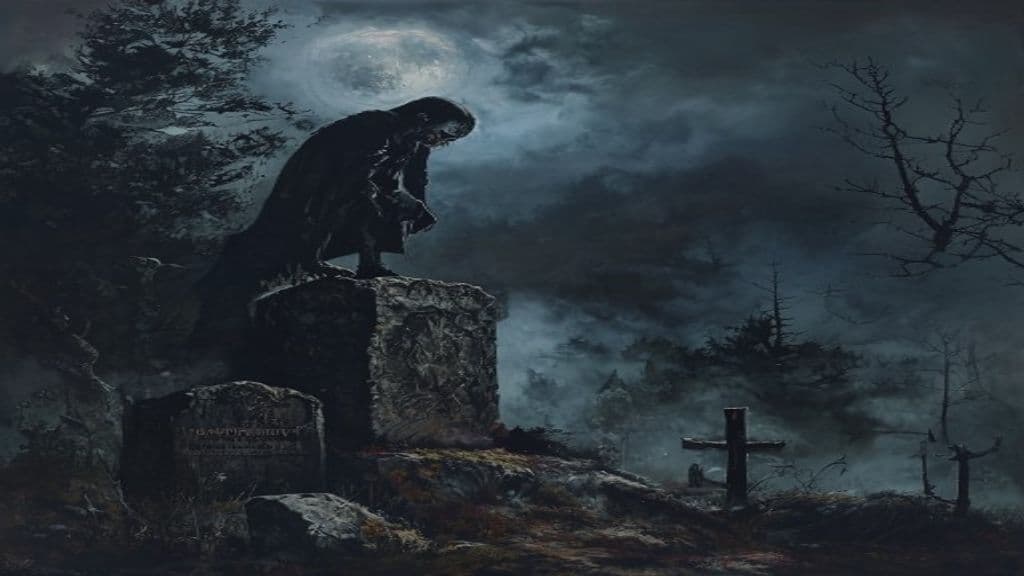
Strigoi
The vampire of Romanian folklore — either a living witch (strigoi viu) or an undead blood-drinker (strigoi mort). The source tradition from which the literary vampire emerged.
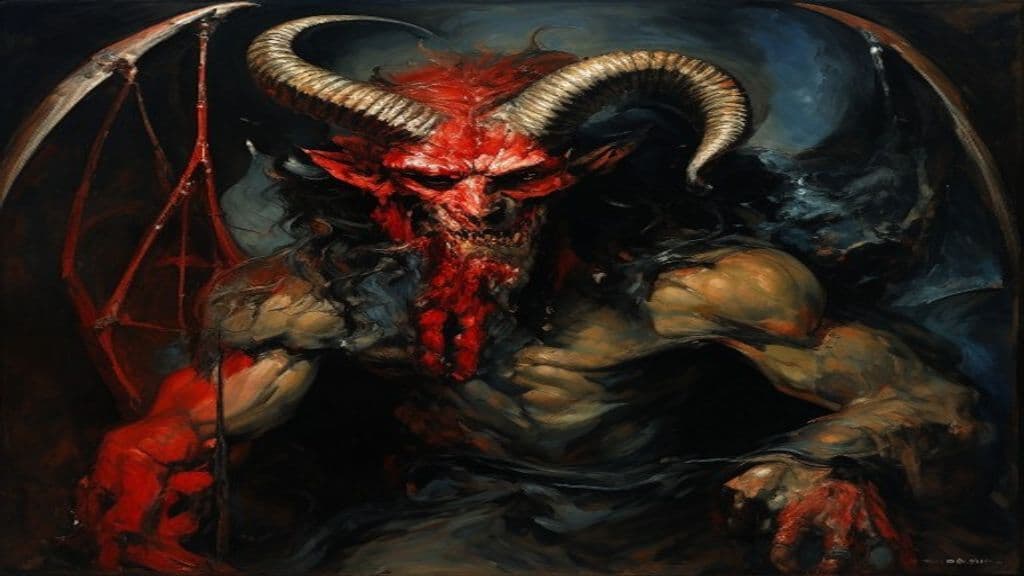
Devil
A cross-cultural mythic personification of evil and hostile forces, used in religious, literary, and popular contexts to explain temptation, moral corruption, disease, death, and misfortune. Its exact cosmological status varies by tradition, ranging from an independent principle of evil to a created being that became evil or a symbolic embodiment of human wickedness.
Community Record
- [1]Solomonari. Wikipedia, 'Solomonari' (lead and sections on appearance, schooling, abilities, etymology, counter‑practitioners).wiki
- [2]Solomonari (Wikidata entry). Wikidata entry for 'Solomonari'.wiki
- [3]Bad Weather HWOS 02 027. Archive recording/documentation (Stratilesco, 1907) discussing peasant beliefs about Solomonari, hail, payments and moral causes.folk
- [4]SOLOMONARI - The School of Vampires of King Solomon HIDDEN in the Mountains of Romania - Solomon's Temple Investigation Marathon #1116. Archive video/audio referencing Solomonari and modern media uses; cited among provided materials.other
- [5]DNA Lounge: Secret Psychedelica: Libra (2025-10-11d). Archive item included in the provided research notes that references the term 'Solomonari' (media listing).other