
Avestan sources present Sraosha as a high-ranking yazata who stands under Ahura Mazda within the Zoroastrian divine order and is repeatedly associated with the Amesha Spentas. Texts portray him as established in the early Gathic material as the propagator of conscience and teacher of Mazda's religion; later tradition identifies him as one of the three guardians of the Chinvat bridge and as the unique companion who escorts the soul across the bridge to judgment (Yasna 56–57; Yasht 11; Vendidad references).
Avestan hymns offer laudatory epithets rather than fixed iconography: he is described as strong, sturdy, active, swift, stately, mighty, and awe-inspiring (Gathic/Yasna epithets such as Yasna 57.13; Yasna 56–57). The provided sources do not supply detailed, consistent corporeal or iconographic attributes (wings, colors, specific garments) in the primary Avestan texts cited.
Sraosha's functions in the texts include teaching and propagating the religion of Ahura Mazda to mankind (Yasna 57.24; Yasht 11.14), guarding humanity and households (Yasht 11.7, 11.20), propitiating haoma with sacrifice and overseeing correct ritual (Yasna 56–57), acting as a psychopomp and guardian at death—one of the three custodians of the Chinvat bridge who alone accompanies the soul across it—and combating hostile powers (called the 'fiend-smiter', opponent of Aeshma; Yasna 57.12, 57.19–22). Ritual speech and sacred formulae associated with Sraosha (e.g., recitation of Yasna sections, the Ahuna Vairya manthra) are presented as his means of opposing evil.
Weaknesses
None recorded.
Wards
- mantraRecitation of Yasna 56–57 (the 'hidden' yasht) / Srosh Yasht (Yasht 11) and associated sacred formulas (e.g., Ahuna Vairya)
- ritualPropitiatory sacrifice with haoma as performed within the Yasna liturgy
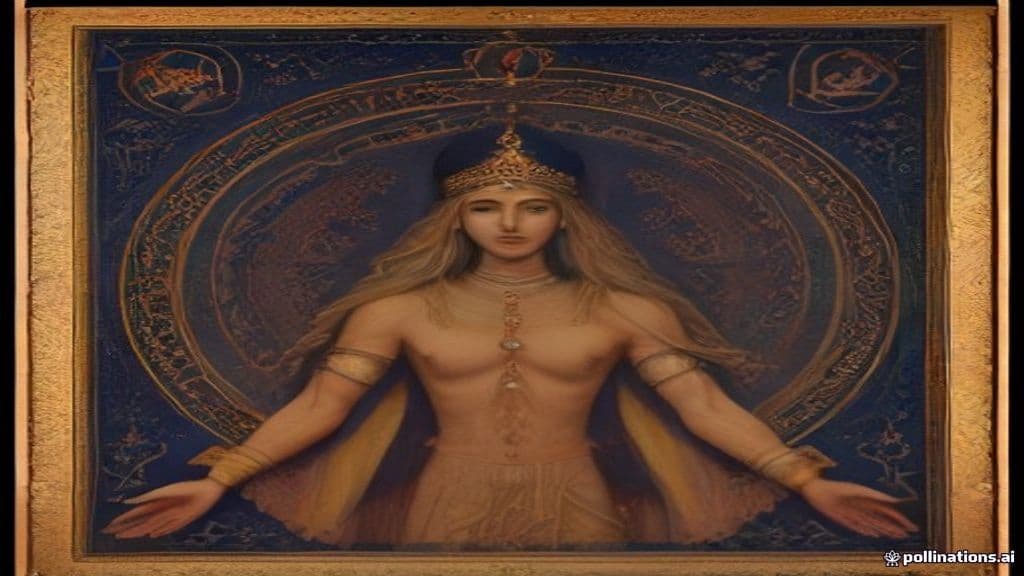
Rashnu
Rashnu is the Avestan personification and divine agent of justice and truth (asha) in Zoroastrian cosmology. He functions as one of the post‑mortem judges of souls, an embodiment of straightness/uprightness (razishta), and a liturgical figure commemorated on the 18th day of each Zoroastrian month.
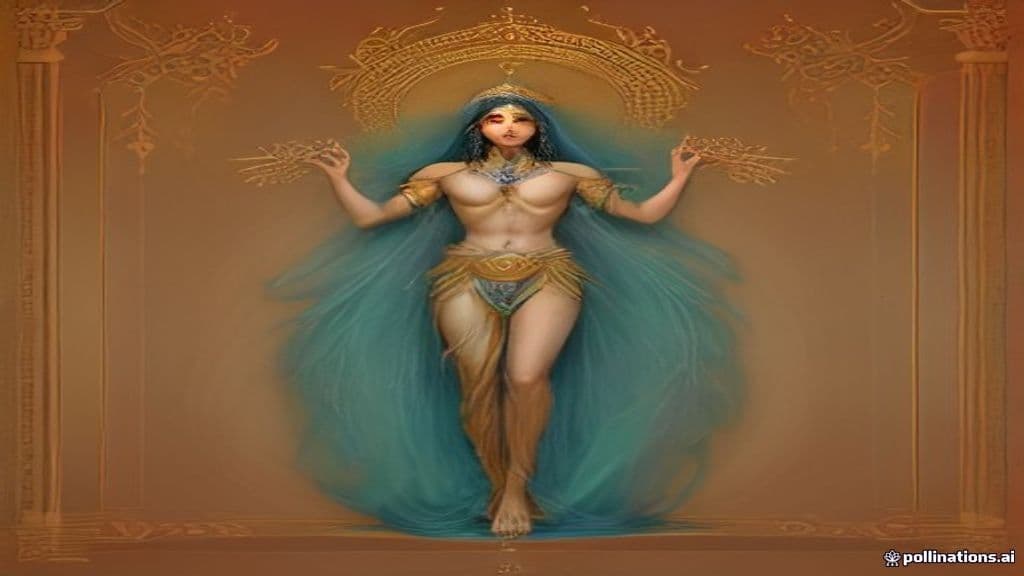
Mithra
Mithra (Avestan Miθra) is an ancient Indo‑Iranian deity preserved in Iranian and Zoroastrian scriptures as a high Ahuric figure who guarantees covenants, truth, and the ordered life of society. Described in the Avesta as an ever‑watchful guarantor of contracts, protector of pastures, cattle and waters, and a diurnal heavenly presence, Mithra is liturgically venerated in hymns such as the Mihr Yasht and invoked in Khorda Avesta litanies. Modern scholarship notes similarities but significant differences between the Avestan Mithra and the Roman Mithras cult.
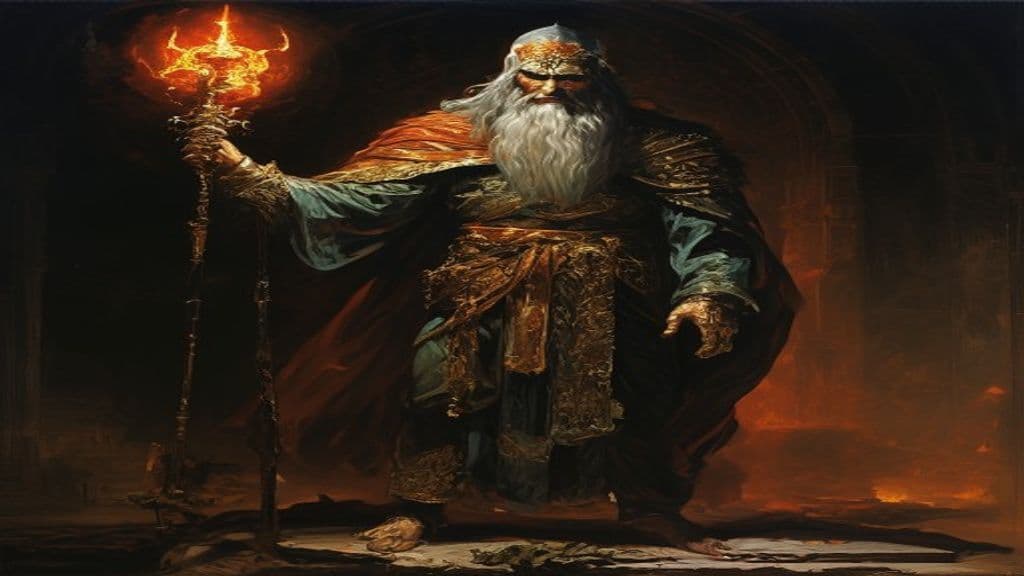
Aeshma
Aeshma is the Zoroastrian hypostasis of wrath — a fiendish being who personifies rage and functions as an ontological opponent to Ahuric principles and ritual discipline. In scripture and later tradition he distracts worship, foments violence and drunkenness, can be driven off by prayer or by divine agents such as Sraosha and Mithra, and will be overthrown or flee at the final renovation.
Community Record
- [1]Sraosha (Wikipedia). Wikipedia article 'Sraosha' summarizing Avestan references (Gathas, Yasna, Yashts, Vendidad) and later traditionwiki
- [2]Srosh Yasht / Hadhokht Nask (Avesta, English translation). AVESTA: KHORDA AVESTA (English): SROSH YASHT HADHOKHT (translation and text fragment)other
- [3]Yasna (Avesta, English translations and commentary). AVESTA: YASNA (English translations of Yasna sections cited, including 56–57 references to Sraosha)other
- [4]Zoroastrian Origins Of Abrahamic Angels (archive). Archive paper discussing comparative-historical links and later adaptations of Zoroastrian angelology (mentions Sraosha <-> Gabriel parallels in later tradition)academic
- [5]The Fire of Sraosha (Vohuman / Zoroastrian Association of Europe). Article discussing Sraosha's role and cultic associations (household/hearth, ritual connections)other
- [6]Sraosha in Zoroastrian Tradition (archive). Archive essay compiling traditional references to Sraosha and his liturgical functionsother
- [7]Aeshma (Wikipedia). Wikipedia article on the hostile daeva Aeshma, identified in sources as Sraosha's chief adversarywiki