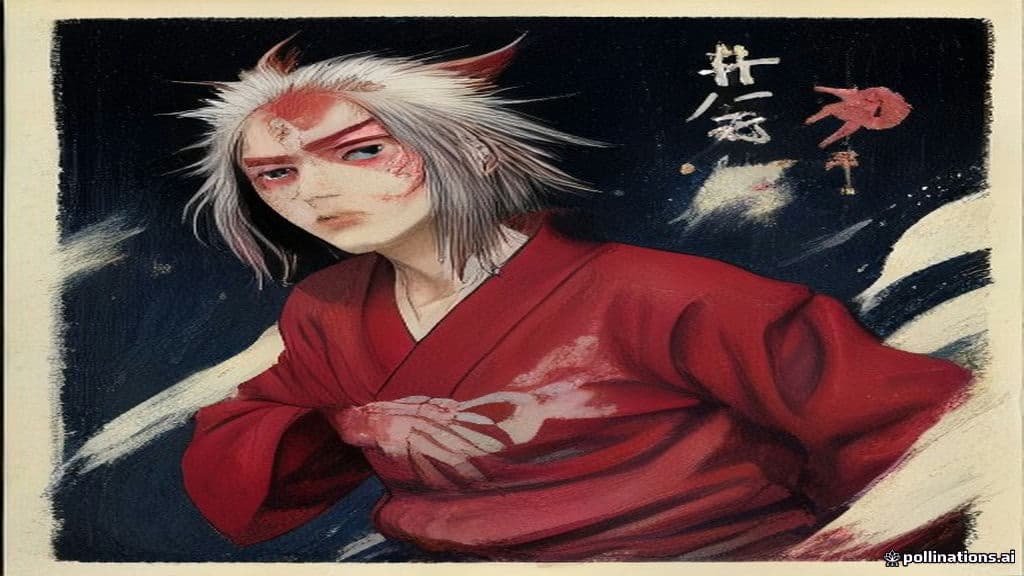
Within the fragmentary materials supplied, Ōtakemaru appears in narrative tradition as a powerful combative figure opposed by named warriors. Wikidata labels him succinctly as the "demon king of Suzuka Mountain," and yokai summaries recount a combat episode in which Takemaru returns to battle Tamuramaro and is beheaded, with the severed head continuing aggressive action. The provided corpus does not include a fuller cosmogonic origin, clan affiliations among kami or yōkai, or an origin myth explaining his first emergence; instead, the figure is presented through episodic battle narratives and later fictional reworkings (notably a feature-film antagonist role in modern anime media).
Primary source material in the supplied notes gives only fragmentary, inconsistent physical description. Yokai.com relates a striking image from a Tamuramaro encounter in which Tamuramaro "cut takemarus head clean off" and the "oni's head flew up into the air and landed upon Tamuramaros head and bit down hard," implying an oni-like being whose head can act autonomously after decapitation. Modern adaptations (Inuyasha film materials cited) present Takemaru visually as a powerful antagonist but the excerpts provided do not supply consistent corporeal details across sources. Classical or ritualized iconography is not supplied in the provided corpus.
Across the supplied sources Ōtakemaru is consistently portrayed as highly potent in combat and unusually hard to dispatch. The yokai summary highlights post-decapitation agency (a severed head that flies and bites), suggesting a narrative motif of continued violent agency after apparent physical defeat. Modern fictional excerpts (Inuyasha film notes) depict Takemaru as resistant to individual champions—Inuyasha and Sesshomaru repeatedly fail to destroy him—and requiring combined sword-based powers to eliminate related manifestations. Beyond these narrative depictions, the provided material does not enumerate a discrete catalogue of supernatural faculties (e.g., specific elemental magic or ritual powers).
Weaknesses
- conditionovercoming by exceptional combined martial force
Wards
None recorded.
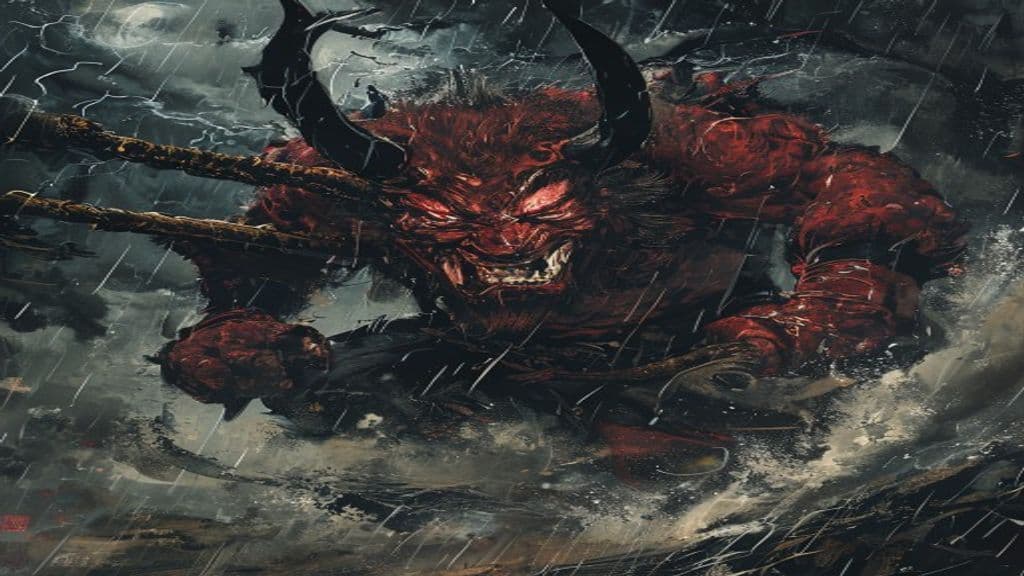
Oni
Powerful supernatural beings of Japanese folklore — associated with misfortune, disease, and the punishment of sinners in hell. Fearsome, often depicted as guardians of the underworld.
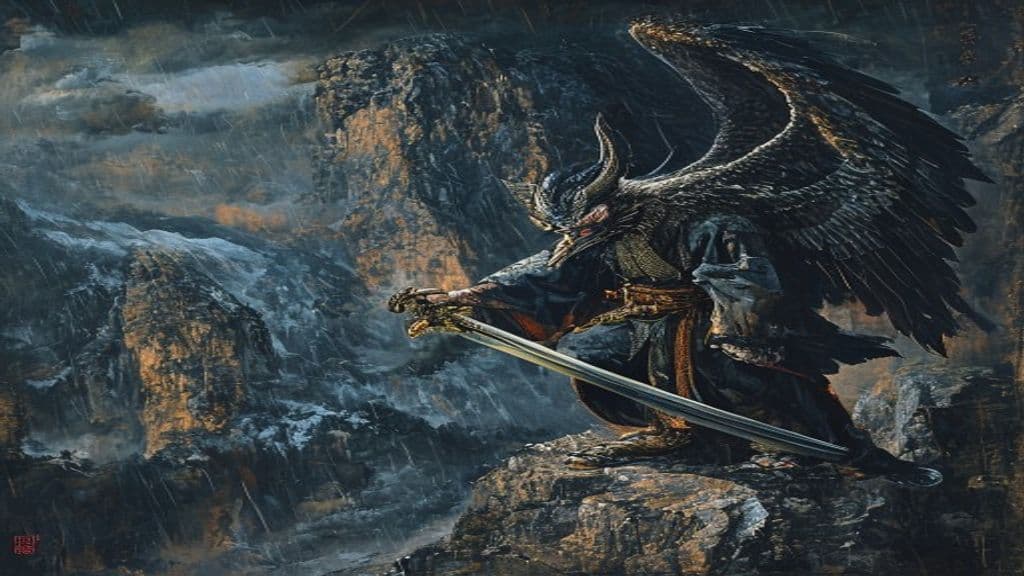
Tengu
Proud, warrior-like mountain spirits of Japan, associated with martial arts, pride, and the wild mountains. Neither fully good nor evil — they test and train warriors and monks, but punish the arrogant.
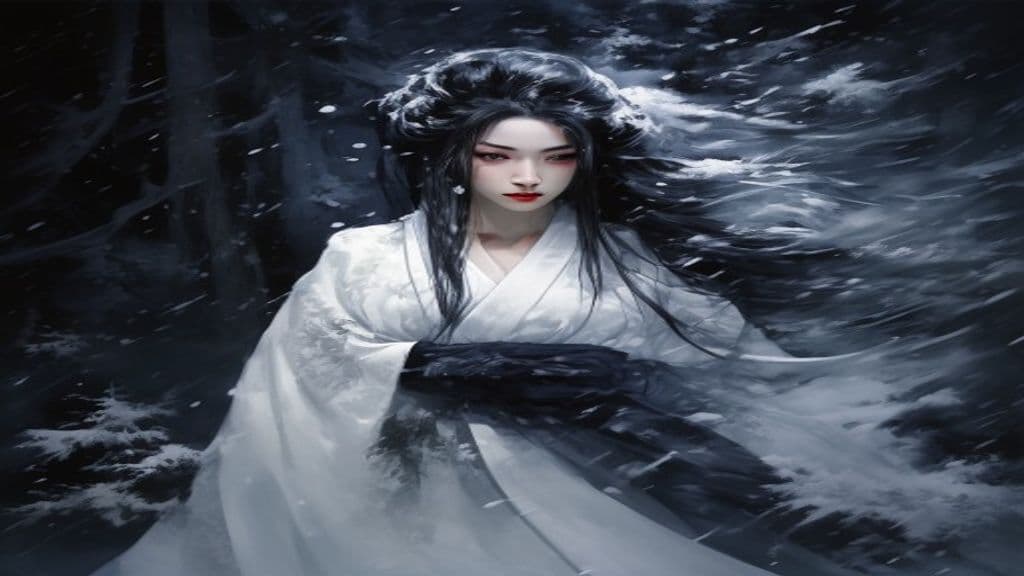
Yuki-onna
The Snow Woman of Japanese folklore — a spirit born of blizzards who appears to travelers lost in snowstorms. Beautiful and lethal, she can show mercy or bring death depending on her mood.
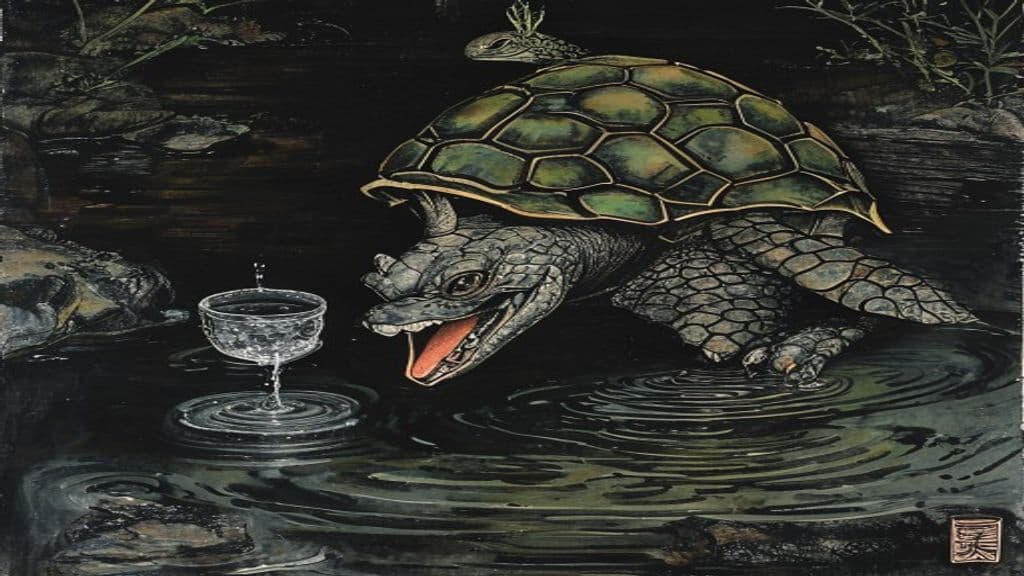
Kappa
A water-dwelling imp of Japanese folklore with a bowl of water on its head. Mischievous but bound by strict codes of politeness; dangerous near rivers.
Community Record
- [1]Wikidata: Ōtakemaru. Wikidata entry labelled "demon king of Suzuka Mountain" (Source 2 in research notes).wiki
- [2]Ōtakemaru | Yokai.com. Yokai.com summary recounting the Tamuramaro battle and the severed head episode: "When takemaru returned, Tamuramaro was waiting for him. They did battle, and once again Tamuramaro cut takemarus head clean off. The onis head flew up into the air and landed upon Tamuramaros head and bit down hard" (Source 7 in research notes).folk
- [3]Inuyasha the Movie: Swords of an Honorable Ruler (film summary). Film summary describing Takemaru as a powerful antagonist whom Inuyasha and Sesshomaru "continuously fail to destroy" individually and whose destruction of related forces requires the combined powers of their swords (Source 4 in research notes).literary
- [4]The Inuyasha Companion - Movie 3: Swords of an Honorable Ruler. Production/companion notes listing Takemaru as a characterized antagonist in the film and providing related details on the film portrayal (Source 3 in research notes).literary