
In Huichol mythic discourse Tatewari figures as the ancestral master of fire and a formative shamanic presence in origin narratives. In retellings preserved in modern sources he can appear to instruct humans in pivotal moments (for example, a flood narrative in which 'Tatewari, the wise fire god, appeared' and prompted the construction of a boat). As the archetypal 'grandfather fire' he is conceived both as the agent who gave life-sustaining flame and as the ancient shaman whose authority grounds subsequent shamanic practice among the Huichol.
Textual sources do not provide a fixed, detailed anthropomorphic description; rather Tatewari is represented in Huichol material culture through crafted idols and altars 'fashioned much in the likeness of the old Master of Fire.' Altarpieces and ritual objects associated with him employ multimedia materials (e.g., wool yarn pressed into beeswax on a framed board in documented altars) and are often associated with sacred animal symbols such as the golden eagle and macaws. Feathers are used as his messengers and are generally worn on the shaman's stick, linking the visual motif of feathers to his presence and mediation.
Sources describe Tatewari's active roles rather than literal mechanics: he burns fields to make them ready for planting (an agent of controlled burning and regenerative agriculture), aids the Huichol in hunting deer, and, as the personification of fire, cooks food. He functions as the shaman of ancient times and the patron of all shamans, accompanying contemporary shamans on curing journeys and providing shamanic authority. He communicates or mediates through ritual objects — especially feathers worn on shamanic sticks — and appears in mythic moments to instruct human action.
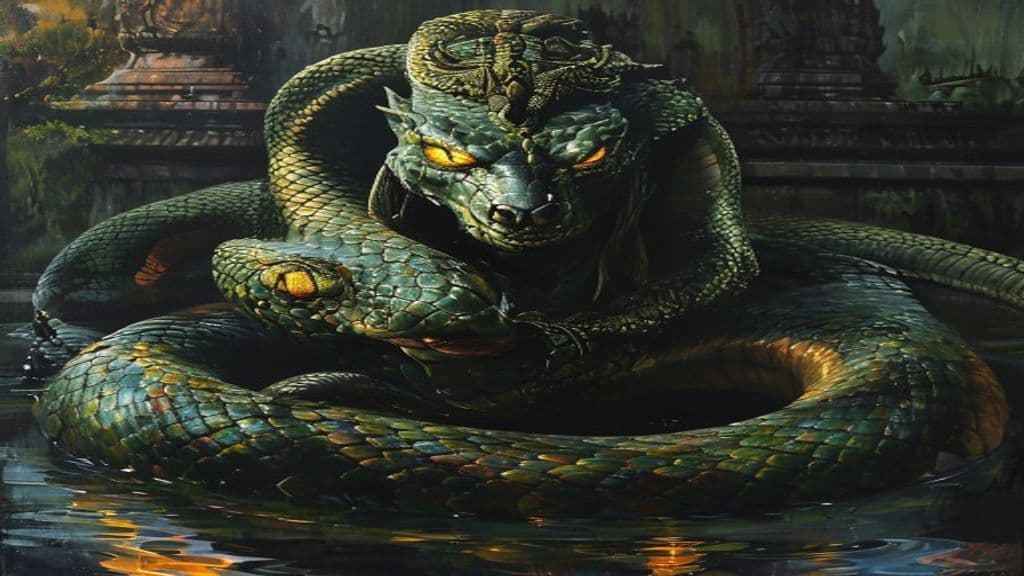
Naga
Divine serpent beings of Hindu, Buddhist, and Jain cosmology — powerful guardians of water, earth, and underground treasures. Revered as deities in South and Southeast Asia.
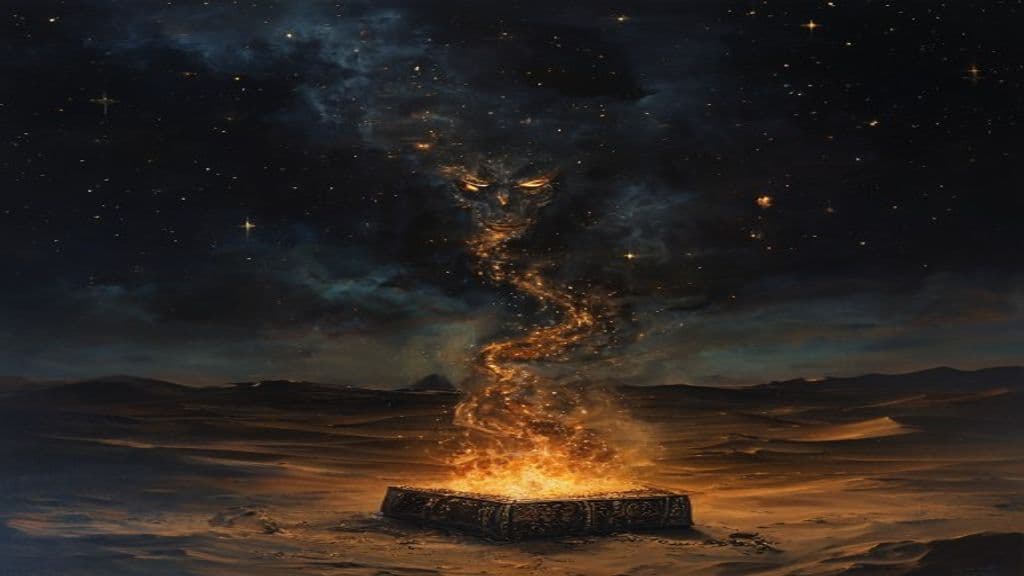
Djinn
The class of supernatural beings created from smokeless fire in Islamic cosmology — a parallel civilization to humanity, capable of belief or unbelief, with their own prophets, society, and judgment before God.
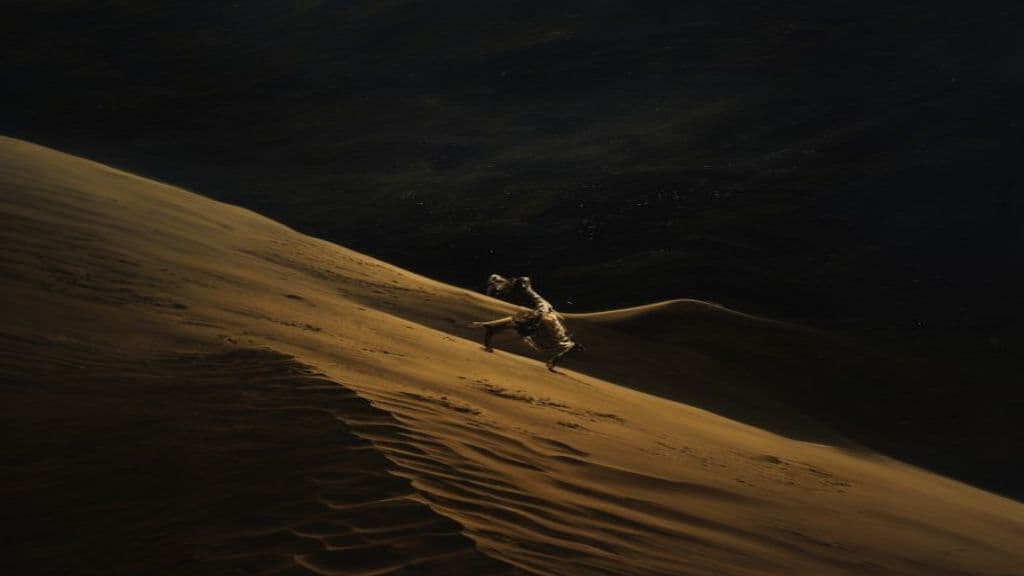
Jann
The weakest class of djinn in Islamic tradition, associated with desert winds and taking the form of snakes or whirlwinds, dwelling in empty wilderness and posing little threat to those who know the proper invocations.
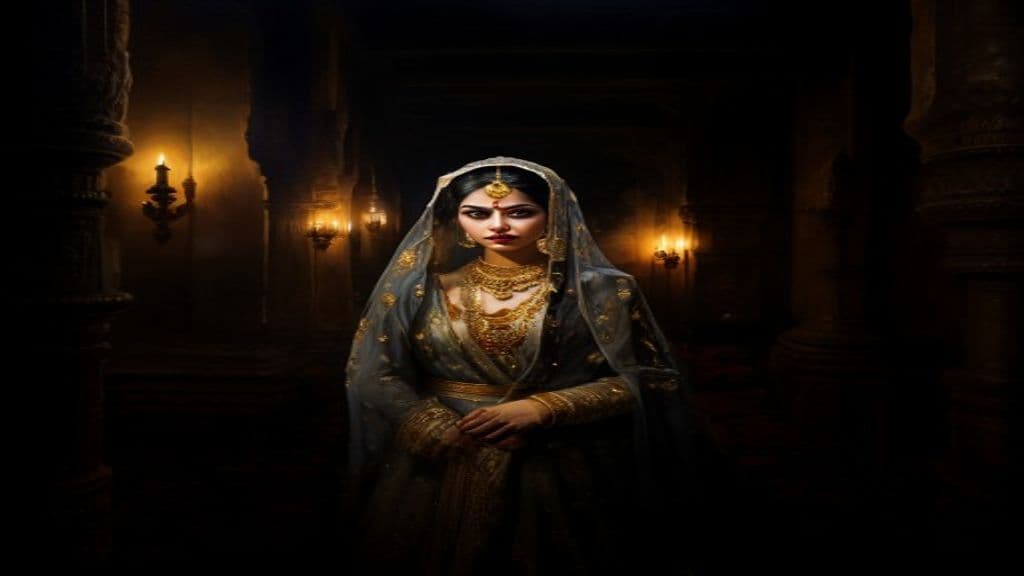
Nathiya
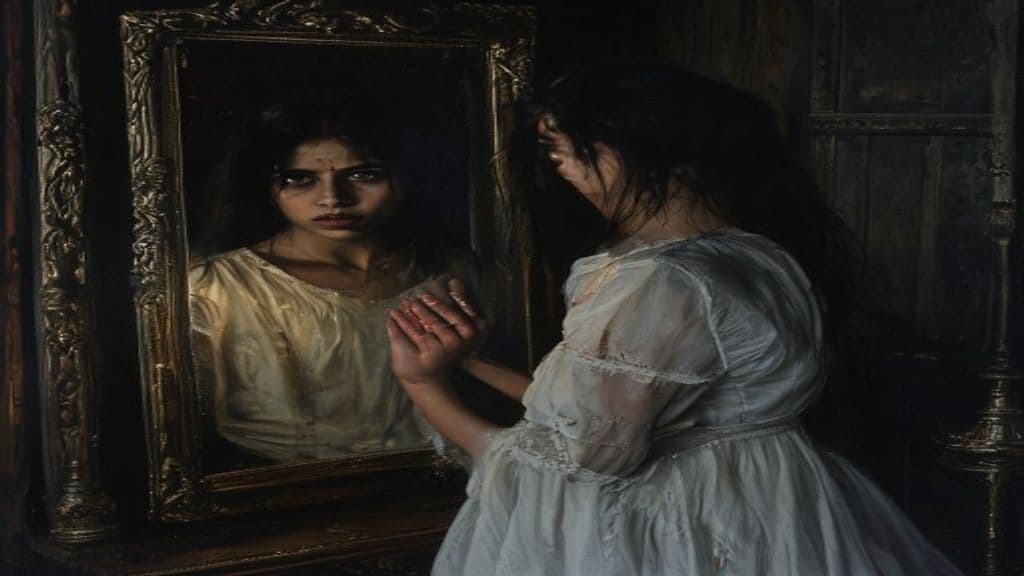
Ghost of a young bride who died before her first Diwali as a wife — still wearing her wedding nose ring (nath), she haunts the marital home she never truly inhabited, causing illness in subsequent brides and making the household unwelcoming to new marriages.
Petni
The female equivalent of the Bengali bhoot — the ghost of a young woman who died unmarried or before fulfilling her expected life. The Petni is more volatile and less predictable than the Shakchunni (married woman's ghost), driven by the particular bitterness of a life foreclosed rather than interrupted.
Community Record
- [1]Tatewari - Wikipedia. "Tatewari, in Huichol folklore, is the god of fire, called by them 'grandfather fire'... He is also the shaman of ancient times, the patron of all shamans. Amongst his actions are burning the fields so that they are ready for the planting of crops, he helps the Huichol hunt deer and, as the representation of fire, cooks food. As part of his shaman duties, he accompanies shamans when they go to cure a sick person. Feathers act as his messengers, which are generally worn on the stick of shamans."wiki
- [2]The Idol of Tatewarí | Wixárika Research Center. "The idol was fashioned, much in the likeness of the old Master of Fire. The ancient man's votive arrow was placed..." (object description)other
- [3]The Altar of Tatewari | Wixárika Research Center (photograph description). "The Altar of Tatewari. Photograph Juan Negrin 1973... Materials, Techniques Wool yarn pressed into pure beeswax spread on plywood with wood frame."other
- [4]Hallie N. Love & Bonnie Larson, Watakame's Journey: The Story of the Great Flood & the New World (Rambles.NET retelling). "When Tatewari, the wise fire god, appeared to him, he decided to build the boat." (retold flood narrative)folk
- [5]Huichol art - Wikipedia. Notes association of symbols such as the golden eagle and macaws with Huichol sacred figures and iconography related to deities like Tatewari.wiki