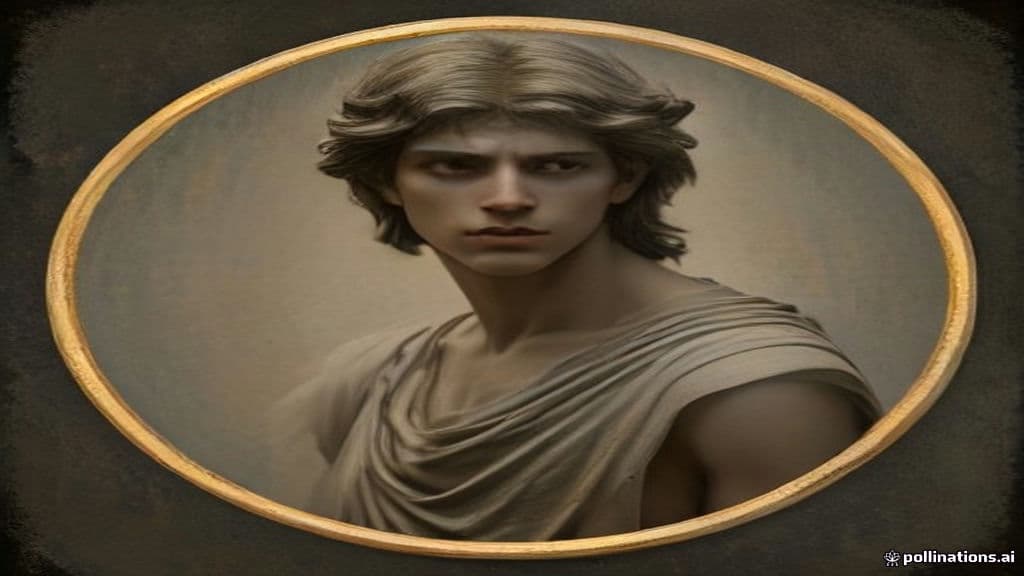
Telemachus is presented in Homeric tradition as the son born to Odysseus and Penelope and raised in Ithaca during Odysseus's long absence after the Trojan War. In the Odyssey he appears as a young man who, uncertain of his father's fate, is urged by the goddess Athena to undertake a journey to the courts of Nestor at Pylos and Menelaus at Sparta to learn news of Odysseus. The narrative frames him as the inheritor of Odysseus's household rights and obligations and as a figure whose maturation is bound up with reclaiming his father's place. Later, in summaries of the lost epic Telegony and other post‑Homeric accounts, Telemachus is further placed in the mythic sequence after Odysseus's death: returning to Aeaea, he is said in those traditions to take Circe as his wife, to father children, and to appear in various genealogical claims — these later episodes are presented as variant, non‑Homeric elaborations.
Homeric and summary sources do not provide a detailed physical portrait of Telemachus; instead, he is depicted through actions, social role, and narrative function. He is characteristically described as a young man in the transitional phase from boyhood to adulthood: respectful of guest‑host protocols, capable of travel and negotiation at the courts of Nestor and Menelaus, and able to take his father's place in household rituals and contests. The most vivid scene that gestures toward physical capability is the bow‑stringing contest, where Telemachus nearly succeeds in stringing Odysseus's great bow on his fourth attempt, implying strength and skill approaching that of his father. Visual and clothing details are not specified in the provided literary summaries.
As a human hero‑figure, Telemachus's abilities are social, practical, and martial rather than supernatural. He demonstrates competence in aristocratic guest‑host relations (xenia), the rhetorical and investigative skills necessary to question elders and gather information, and growing martial capacity: in the palace contest he nearly strings Odysseus's bow, and during the slaughter of the suitors he fights alongside his father. He also displays judgment and agency in ordering the execution of the treacherous palace maids (hanging them) after the suitors' slaughter, an act that indicates moral complexity and decisive leadership. Telemachus's access to success and direction is often mediated by divine intervention: Athena instructs and accompanies him during his search for Odysseus, but the sources treat this as external divine guidance rather than an intrinsic supernatural power possessed by Telemachus himself.
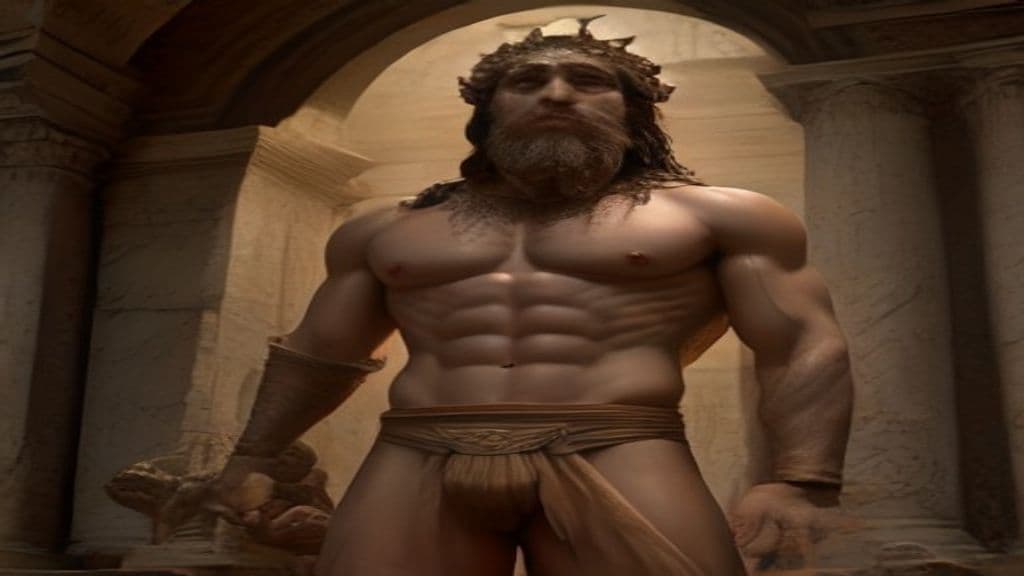
Odysseus
Odysseus is a legendary mortal king of Ithaca from ancient Greek epic tradition, best known as the protagonist of Homer's Odyssey. Celebrated for his intellect, craft (mêtis), and long nostos (homecoming), he functions as an exemplar of heroic cunning rather than a supernatural being.
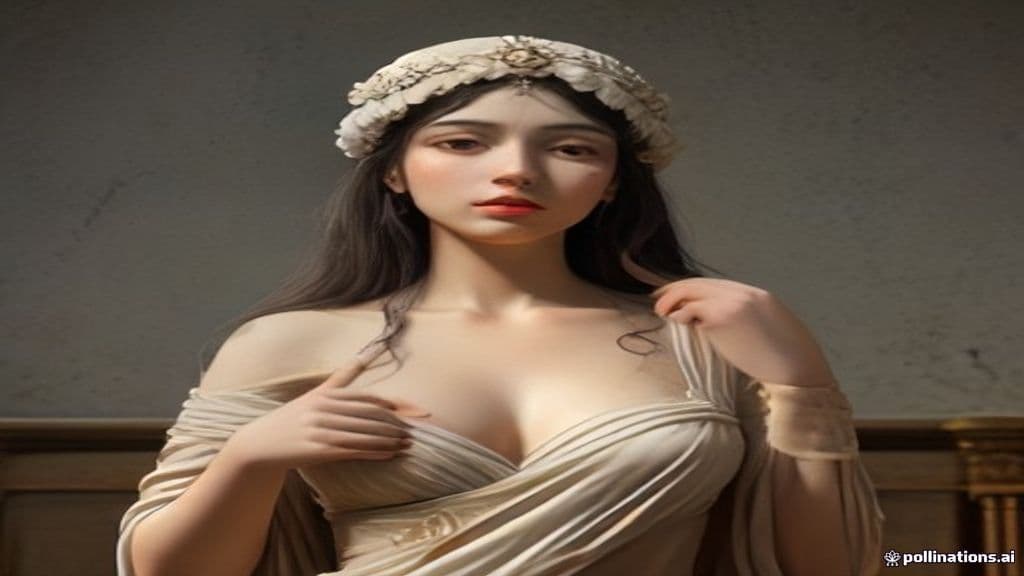
Penelope
Penelope is a legendary mortal queen of Ithaca in the Homeric epic tradition, famed for her marital fidelity to Odysseus and for using weaving as a stratagem to delay remarriage. Later commentators record etiological and folk-etymological tales linking her name to certain birds (pēnelopes) and to motifs of disappearance and return.

Athena
Athena is a major ancient Greek goddess associated with wisdom, handicraft (notably weaving), and warfare; she serves as a tutelary protector of cities—most prominently Athens—and is central to myth, cult, and civic identity in the Greek world.
Community Record
- [1]Telemachus — Wikipedia. Wikipedia contributors, 'Telemachus', Wikipedia, The Free Encyclopediawiki
- [2]Telemachus — Wikidata entry. Wikidata: Q106131679other
- [3]The extravaganzas of J. R. Planché, esq., (Somerset herald) 1825-1871 (index referencing Telemachus usage). Planché archives (title list referencing Telemachus in modern usage)other
- [4]Telemachus Computer Sounds (modern cultural reuse reference). Archive.org item referencing the name 'Telemachus' in modern title usageother