In Eleusinian mythic geography Triptolemus is a human figure whom the goddess Demeter teaches the art of agriculture (the sowing of seed, the use of oxen and the plough) and the secret rites associated with her cult. Sources place this instruction in the context of Demeter's sojourn at Eleusis during the Homeric Hymn cycle; accounts differ in minor genealogical details in later tradition (some lists of Eleusinian priests include him among the first priests or royal household members of Celeus). After learning from Demeter he becomes the transmitter of agricultural practice to human communities across named regions.
Triptolemus is conventionally depicted as a young man, often with a branch or a diadem in his hair, seated on a chariot that is described in the tradition as adorned with serpents or drawn by winged dragons/serpents. Iconographic attributes associated with him include a plate of grain, a pair of ears of wheat or barley, and a scepter; these items visually link him to grain, divine favor, and his role as an agent of cultivation.
Mythic functions as recorded in the sources: he is taught by Demeter the techniques of agriculture and is credited with teaching others to sow and reap, introducing the use of oxen and the plough. He travels on a divine chariot supplied by Demeter—mythic narratives describe this chariot as drawn by winged dragons or serpents and capable of carrying him across lands to disseminate seed and knowledge. As an original priest/initiand he receives Demeter's mysteries and thereby is associated with the Eleusinian cultic hope for a favorable fate after death. When threatened by hostile rulers (e.g., Lyncus of Scythia, Charnabon of the Getae), the tradition records divine intervention by Demeter—punishments and miraculous rescues—rather than human magical defenses.
Weaknesses
- otherNo hostile weaknesses recorded in provided sources
Wards
- otherNone recorded; tradition portrays Triptolemus as beneficent and protected by Demeter rather than subject to human wards
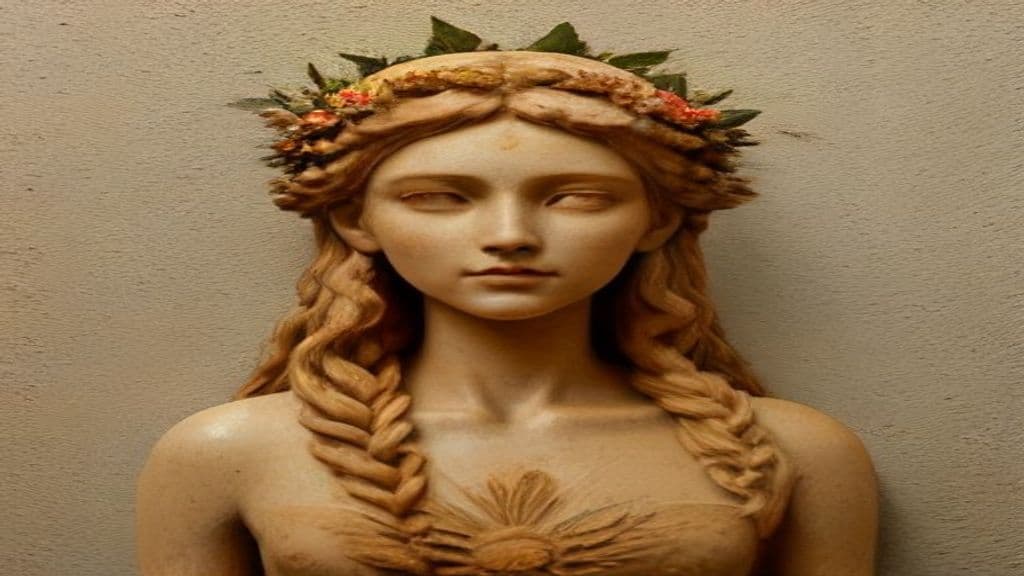
Demeter
Demeter is an Olympian goddess of ancient Greek religion who presides over agriculture, grain, and the fertility of the earth. She functions as a divine mother-figure and guardian of social customs, sacred law, and the cycle of life and death, and is central to the Eleusinian Mysteries alongside her daughter Persephone.

Persephone
Persephone is an ancient Greek goddess, daughter of Zeus and Demeter, who functions as both queen of the underworld and as the vegetation/spring deity Kore; her abduction by Hades and cyclical return symbolize the seasonal cycle of growth, decline, and renewal of crops and serve as the central narrative of the Eleusinian Mysteries.
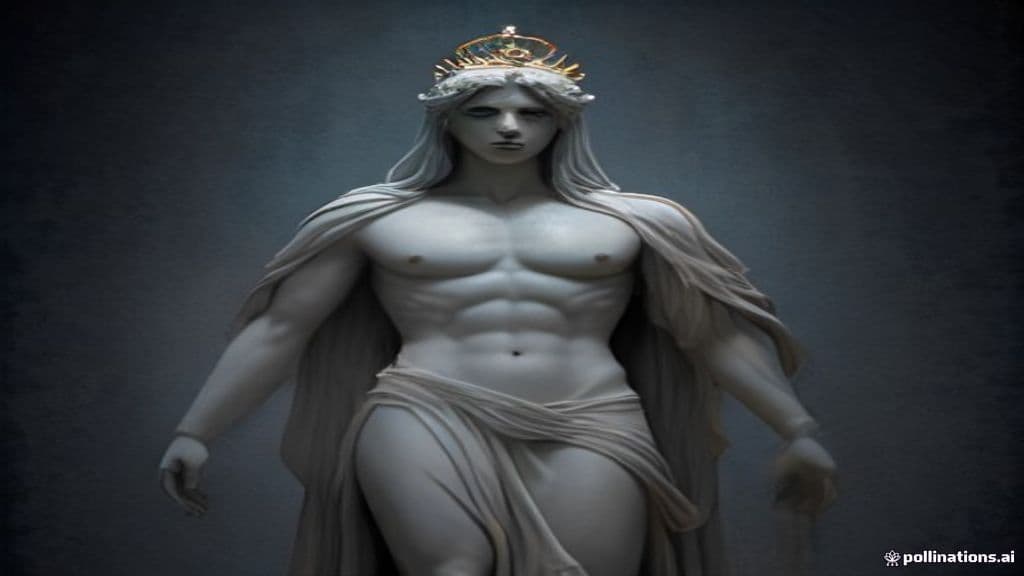
Celeus
Celeus (Greek Κελεός, Keleós) is a mythic king of Eleusis in Attica who, as a hospitable mortal, becomes an early recipient of Demeter's favors and teachings; his household events (the attempted immortalization of his son Demophon and the instruction of Triptolemus in agriculture) are foundational to the Eleusinian origin-myths.
Community Record
- [1]Triptolemus — Wikipedia. Wikipedia: Triptolemuswiki
- [2]Triptolemus — Wikidata. Wikidata: Q269243other
- [3]LP0030 The Herculean Zodiac (archive listing included in notes). Archive: LP0030 The Herculean Zodiacother
- [4]Adventures of Elder Triptolemus (archive listing included in notes). Archive: Adventures of Elder Triptolemusother