
Persephone is described in Greek myth as the daughter of Zeus and Demeter who is abducted by Hades and becomes queen of the underworld. The Homeric/Hesiodic traditions portray her descent into the underworld, her marriage to Hades, and her periodic return to the surface, a cycle that explains the seasonal disappearance and reappearance of vegetation. Orphic accounts and some later traditions also present variant genealogies and offspring (for example linking Persephone into Orphic genealogies as mother of figures such as Dionysus/Iacchus/Zagreus), and some cultic traditions conflated or distinguished Persephone from the older chthonic goddess Despoina or emphasized the separate Kore (the Maiden) aspect.
In Classical Greek art Persephone is typically portrayed robed, often carrying a sheaf of grain; she may be shown holding a sceptre or a small box and is frequently depicted in scenes of abduction by Hades. Literary epithets describe her as venerable, majestic, and sometimes 'dread(ed) Persephone' in chthonic contexts; representations vary according to whether she is shown as the youthful vegetation figure Kore or as the underworld queen.
Persephone's principal mythic function is her cyclical descent to and return from the underworld, a movement mythically tied to the agricultural cycle (the disappearance of crops into the earth and their reappearance in spring). As queen of the lower world she shares chthonic authority with Hades over the dead in classical literary tradition. Religiously, she is central to the Eleusinian Mysteries where her return symbolizes renewal and the promise of a favorable afterlife for initiates; in Orphic and other variant traditions she is connected genealogically to other chthonic or mystery figures.
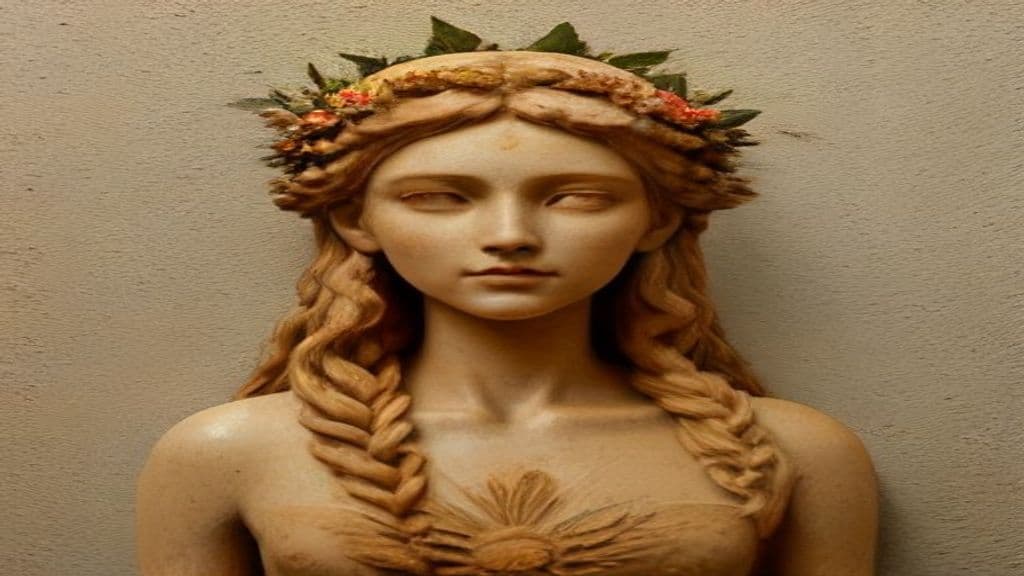
Demeter
Demeter is an Olympian goddess of ancient Greek religion who presides over agriculture, grain, and the fertility of the earth. She functions as a divine mother-figure and guardian of social customs, sacred law, and the cycle of life and death, and is central to the Eleusinian Mysteries alongside her daughter Persephone.

Hades
In ancient Greek religion and mythology, Hades is the god who rules the subterranean realm of the dead and presides over all things beneath the earth, including subterranean riches. He is a son of Cronus and Rhea and one of the generation of Olympian gods, allotted the underworld after the Titanomachy.

Dionysus
Dionysus (Ancient Greek: Διόνυσος) is a major ancient Greek deity associated with wine and winemaking, vegetation and fertility, festivity and theatre, ritual ecstasy and possession, and liminal links with death and the underworld. He is an epiphany-god who travels between worlds, whose cult includes ecstatic rites and mystery initiation.
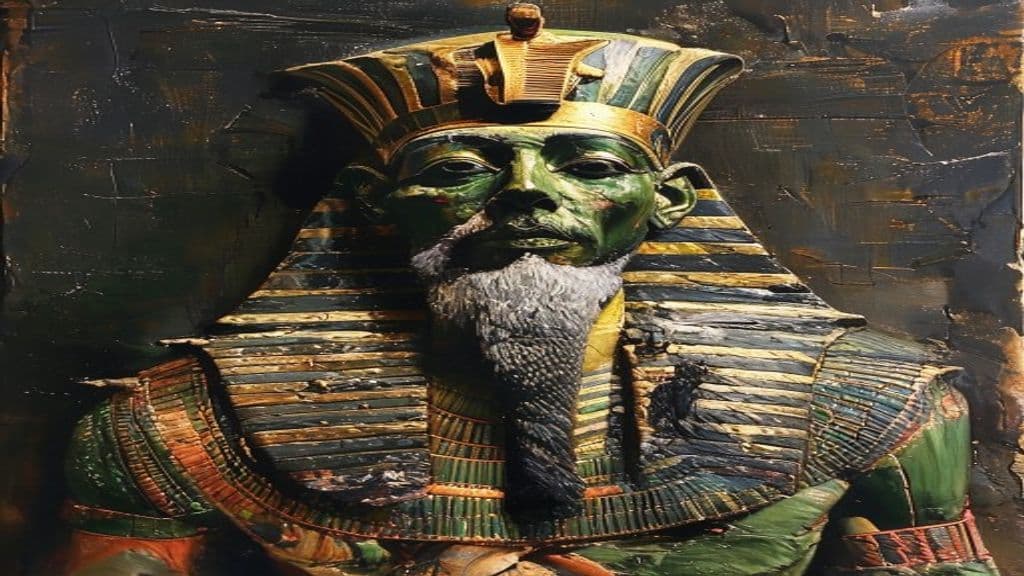
Osiris
Osiris is the major ancient Egyptian god of fertility, vegetation, death, resurrection, and the afterlife. He functions as sovereign of the realm of the dead, a guarantor of postmortem renewal and agricultural fertility, and the archetypal divine figure with whom deceased kings and mortals ritually unite to gain continuity after death.
Community Record
- [1]Persephone — Wikipedia. Wikipedia contributors, 'Persephone', Wikipedia, The Free Encyclopediawiki
- [2]Persephone — Wikidata entry. Wikidata: Persephoneother
- [3]Seekers in Sicily: Being a Quest for Persephone (Project Gutenberg). Jane and Peripatetica by Bisland et al., 'Seekers in Sicily: Being a Quest for Persephone', Project Gutenbergliterary
- [4]Persephone — Alchetron. Alchetron entry on Persephoneother
- [5]Persephone — Biblical Cyclopedia. Biblical Cyclopedia: Persephoneother
- [6]Persephone (Olympian goddess) — marvunapp. Appendix: Persephone (Olympian goddess)other