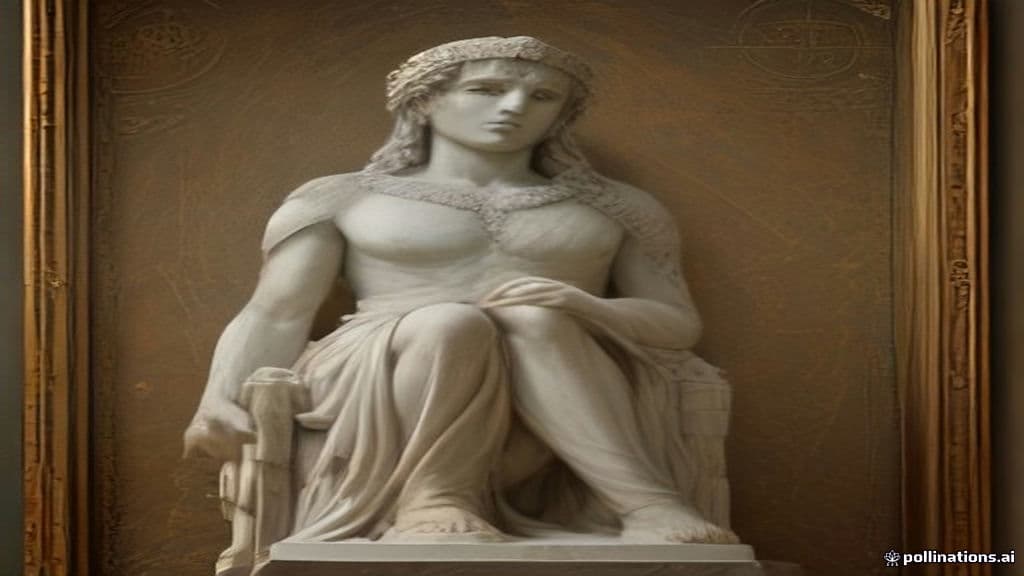
As an epithet, Agraeus derives from the Greek Ἀγραῖος, literally 'the hunter.' In Greek cultic practice, such epithets functioned to specify a particular role or local identity of a major deity. The epithet is attached to Apollo in at least one sanctuary-origin story: after the slaying of the Lion of Cithaeron (accounts vary as to whether Apollo or the local founder Alcathous/Alcathous' agent killed the beast), a temple was erected at Megara and Apollo was worshipped there as Apollo Agraeus. The feminine form (Agraea/Agraia) is used for Artemis and overlaps conceptually with her epithet Agrotera. Separately, the name appears in genealogical lists as borne by mortal or semi-mythic figures (a Heraclid son of Temenus; a son of Aristaeus), and a later secondary attestation (via Philo, as reported in summaries) describes a Phoenician minor god called Agraeus associated with the invention of hunting.
The sources provide no independent iconography or physical description of an entity called 'Agraeus.' Where the name appears it functions as a cultic surname of established deities; thus any depiction would follow the iconography of the host deity (for example, Apollo or Artemis/Agrotera) rather than a distinct, consistently portrayed being. The extant attestations do not record a unique bodily form tied to the epithet.
As an epithet meaning 'the hunter,' Agraeus designates the hunting skill, protective or aggressive relation to wild animals, and related cultic functions of whatever deity it qualifies. The primary mythic action linked to the epithet in the surviving record is the slaying of the Lion of Cithaeron, after which a temple to Apollo Agraeus was established at Megara. Beyond signifying hunting prowess and localized divine patronage of hunting, the sources do not ascribe an independent set of supernatural powers to a separate Agraeus-being.
Weaknesses
None recorded.
Wards
- ritualTemple dedication at Megara
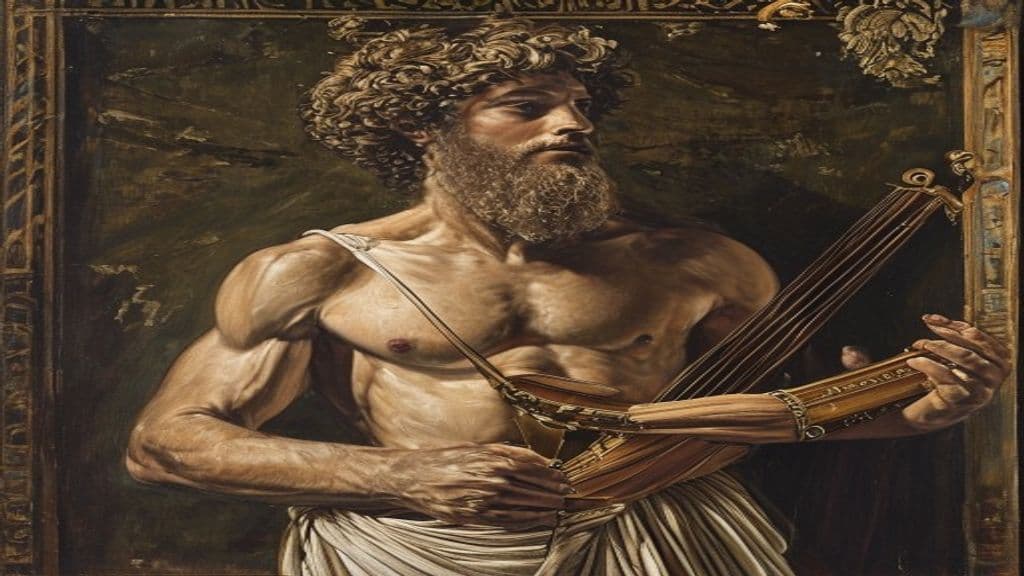
Apollo
Olympian deity of ancient Greek religion associated with prophecy, healing, music, archery, purification, and civic order. Principal patron of the Delphic oracle, protector of youth and flocks, and ambivalently both healer and bringer of plague.

Artemis
Artemis is an ancient Greek goddess of hunting, the wilderness and wild animals, transitions (especially childbirth and puberty), vegetation, and chastity. Twin sister of Apollo and daughter of Zeus and Leto, she functions as a protector of young children and maidens while also capable of inflicting disease or punishment for transgressions against her sacred laws.
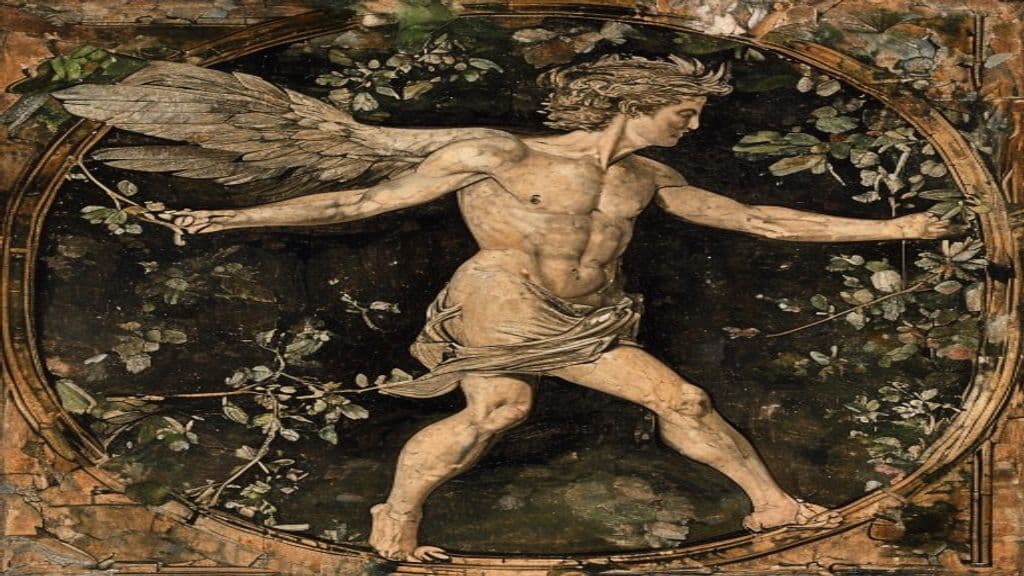
Aristaeus
Aristaeus (Ancient Greek: Ἀρισταῖος) is a mythic culture-hero and minor godlike figure in Greek tradition, honored as the patron and transmitter of rural arts (notably beekeeping, dairying, olive cultivation, and viticulture). He functions as a liminal figure between mortal heroes and divinities, appearing in local cults across the Greek world and in literary narratives that explain the origin and restoration of pastoral practices.
Community Record
- [1]Agraeus — Wikipedia. Agraeus (Greek: Ἀγραῖος, Agraios) was the name of a number of personages from ancient myth, but was primarily known as an epithet of the god Apollo in Greek mythology, which meant 'the hunter.' After Apollo had killed the Lion of Cithaeron, a temple was erected to him by Alcathous, son of Pelops, at Megara under the name of Apollo Agraeus. The epithet was also sometimes used, in the feminine form Agraea (or Agraia), for the goddess Artemis (synonymous with Agrotera). There is also evidence, attested to by Philo, that 'Agraeus' was a minor god-figure in the mythology of Phoenicia who invented hunting.wiki
- [2]Aristaeus — names in ancient sources (attalus.org summary). Name-lists and ancient-source summaries noting instances of Agraeus in mythic genealogies, including a son of Aristaeus.other
- [3]Pantheon.org — Agraeus entry. Summary of mythic attestations and the epithet's meaning and uses in Greek mythic and cultic contexts.other
- [4]Heraclides / Heraclid name-lists. Attestation of Agraeus as a Heraclid (son of Temenus) in genealogical/name lists.other