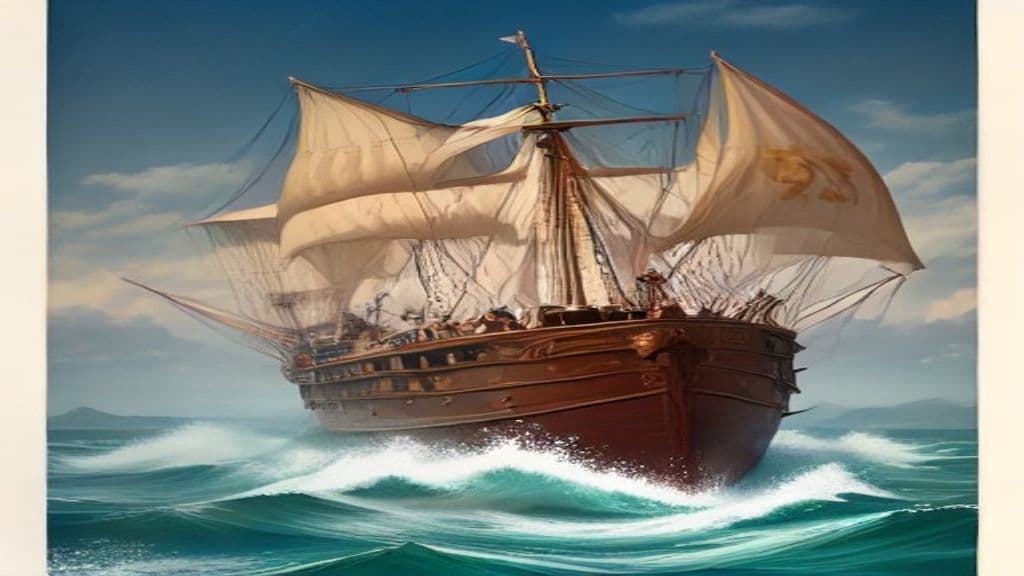
Amphimachus appears not as a single origin figure but as multiple named mortals within archaic Greek genealogies and epic narratives. Attestations include Amphimachus son of Cteatus (a leader associated with the contingent from Elis in Homer’s Catalogue of Ships), an Amphimachus recorded in local king-lists of Elis (son of Polyxenus in some genealogical summaries), bearers counted among the suitors of Penelope in the Odyssey tradition, and listings that place an Amphimachus among Greeks inside the Trojan Horse. Sources vary in parentage and role across traditions, reflecting the name’s reuse in heroic genealogical practice.
Sources supply no standardized, distinctive physical description beyond the ordinary markers of named epic warriors and princes: participation on the battlefield, in chariots, or aboard ships. Homeric passages refer to Amphimachus being borne from the field after injury or death (Iliad Book XIII) and to his role as a captain in the Catalogue (Iliad Book II). No supernatural or iconographic traits are attributed in the provided material.
Amphimachus-bearers are portrayed with conventional heroic and martial roles: captains and commanders of contingents (e.g., a leader from Elis alongside Thalpius), ship-bringers to Troy (Catalogue tradition), participants in major actions of the Trojan War (one named among those inside the Trojan Horse in summary listings), a local king of Elis in genealogical accounts, and suitors of Penelope who are slain on Odysseus’ return. The sources attribute no supernatural powers; their 'ability' domain is human leadership, combat, and dynastic succession.
Helenus (son of Priam)
Helenus is a Trojan prince in Greek epic tradition notable for his prophetic gift. Presented as a mortal seer who 'divined the counsel of the gods' in Homeric passages, later tradition (notably Virgil) extends him into a post-war ruler who helps preserve Trojan identity.
Amphidocus
Amphidocus (Ancient Greek: Ἀμφίδοκος) is attested in classical sources as a son of Orchomenus of Minyan Orchomenus and brother to Clymenus and Aspledon. He appears in genealogical lists tying local eponyms and founders to a royal lineage in Boeotia; beyond this genealogy the sources provide no sustained myths, cult, or ritual around him.
Amphilestes
Amphilestes is a genus of extinct eutriconodont (triconodont-grade) mammal known from Middle Jurassic dental and mandibular remains from the Stonesfield Slate, Oxfordshire, United Kingdom. It was among the earliest Mesozoic mammals discovered and played a role in the nineteenth-century history of paleomammalogy.
Amphillogiai
Amphillogiai appears in modern compilations as a named feminine personification in the Greek mythological catalog of daimones. The supplied sources do not provide an ancient primary textual attestation, description, or ritual corpus for Amphillogiai; its classification rests on modern reference listings and analogy with other Greek personified abstractions.
Amphilochus
Amphilochus (Amphilochos, Amphílokhos) is a classical Greek personal name attested for multiple mythological figures; in modern usage the name also labels a genus of amphipod crustaceans and a Jovian asteroid. The provided sources do not supply narrative details, supernatural attributes, or ritual material for any specific mythological figure named Amphilochus.
Amphilochus I of Argos
An Argive heroic ancestral figure and seer from Greek mythic-historical tradition, counted among the Epigoni, credited in various accounts with founding oracles and settlements (notably Amphilochia and an 'Amphilochian Argos'), and associated in divergent traditions with a death at the hands of Apollo or a lethal contest with the seer Mopsus.
Amphilogiai
The Amphilogiai (Amphilogiae) are female daimones in Greek myth who personify disputes and altercations. They are listed among the many personified negative conditions produced by the goddess Eris and function mainly as literary explanations for quarrels rather than well-attested cult figures.
Amphimachus I of Elis
Amphimachus (Ancient Greek: Ἀμφίμαχος) of Elis is a mortal heroic leader in the Homeric and later mythographic tradition. He is named as one of the Epeian captains who brought ships to the Trojan War and is slain in battle by Hector in the Iliad; his identity is chiefly genealogical and martial, tied to Elis and its local aristocratic networks.
Amphimachus of Caria
A mortal Homeric leader: son of Nomion and co-captain (with his brother Nastes) of the Carian contingent allied with Troy in the Trojan War tradition. Attested in Homeric catalogue material and later commentary; sources record a variant tradition in which one of Nomion's sons was slain and stripped of gold by Achilles, with disagreement over whether that was Amphimachus or Nastes.
Amphimedon
In Homer's Odyssey, Amphimedon (Ancient Greek: Ἀμφιμέδων) is an Ithacan, son of Melaneus, one of the suitors of Penelope who fights in Odysseus's hall, is killed during the slaughter of the suitors, and (within the Homeric narrative) later appears among the dead in the Underworld to recount the events of that slaughter. The same name is also used in modern biological taxonomy for a genus of sponges; that referent is distinct.
Amphinome
Amphinome is an ancient Greek proper name attested for multiple distinct female figures in myth — chiefly a Nereid (sea-nymph) and several mortal women (including a wife of Aeson and one of the Peliades). The name is also reused in modern taxonomic and creative contexts (annelid genus, butterfly species, and contemporary fantasy), but these are later reuses rather than continuations of a single mythic being.
Amphinomus
Amphinomus (Ἀμφίνομος) is a personal name borne by several human figures in Greek tradition, most notably a princely suitor of Penelope in Homer's Odyssey; other bearers appear in local genealogies, a Catanian civic legend, and a later historical record as a geometer. The sources treat Amphinomus as mortal personages rather than a supernatural being.
Community Record
- [1]Amphimachus — Wikipedia. Wikipedia: Amphimachuswiki
- [2]The Iliad, Book II (Catalogue of Ships). Homer, Iliad, Book II (catalogue listing — captains Amphimachus and Thalpius)literary
- [3]The Iliad, Book XIII. Homer, Iliad, Book XIII (passage noting Stichius and Menestheus bear away Amphimachus)literary
- [4]Amphimachus I of Elis — Wikipedia (summary of local king-lists). Wikipedia: Amphimachus I of Elis (genealogical note: Amphimachus son of Polyxenus, king of Elis)wiki
- [5]The Kingdom of Elis (archive summary, Pausanias material). Archive summary of Pausanias and related material on Elis (genealogical context linking Cteatus, Polyxenus, and rulership of Elis)other
- [6]Attalus.org — Amphimachus in ancient sources. Compilation of ancient references to figures named Amphimachusother
- [7]Amphimachus entries in epic-cycle and mythographic summaries. Reference summaries noting Amphimachus among suitors and as a participant in Trojan narratives (summary listings)wiki
- [8]Wikidata: Amphimachus (modern reuse). Wikidata item noting modern taxonomic reuse of the name Amphimachus (genus of insects) — unrelated to mythic figuresother