
Amphimachus is presented in the epic-catalogue tradition as an Epeian leader from Elis, son of Cteatus (son of Actor). In the assembled Homeric forces he is one of four local captains whose companies of ships join the pan-Hellenic expedition against Troy; later mytho-historical summaries of Elis place him within local genealogies and legendary histories of the region. His martial role and family connections define his place in the tradition rather than any supernatural origin.
Homeric passages give only battlefield sartorial detail: Amphimachus is described wearing a bronze helm fitted to the temples and heavy armour which clanged when he fell after being struck by Hector. No extended physical portrait (height, hair, facial features) or distinctive iconography is supplied in the cited sources; the emphasis is on his panoply and his being cast down amid the din of battle.
Sources do not ascribe supernatural powers. Amphimachus's capacities are those of an aristocratic war-leader: he commands men and ships (the tradition records he brought ships to Troy — the catalogue tradition assigns ten ships per leader in his division and some summaries note he brought forty ships overall), fights on the frontline in Homeric combat, and is vulnerable to mortal death in the mêlée. His notability derives from leadership, lineage, and participation in the Trojan War.
Weaknesses
- conditionmortal vulnerability
Wards
None recorded.
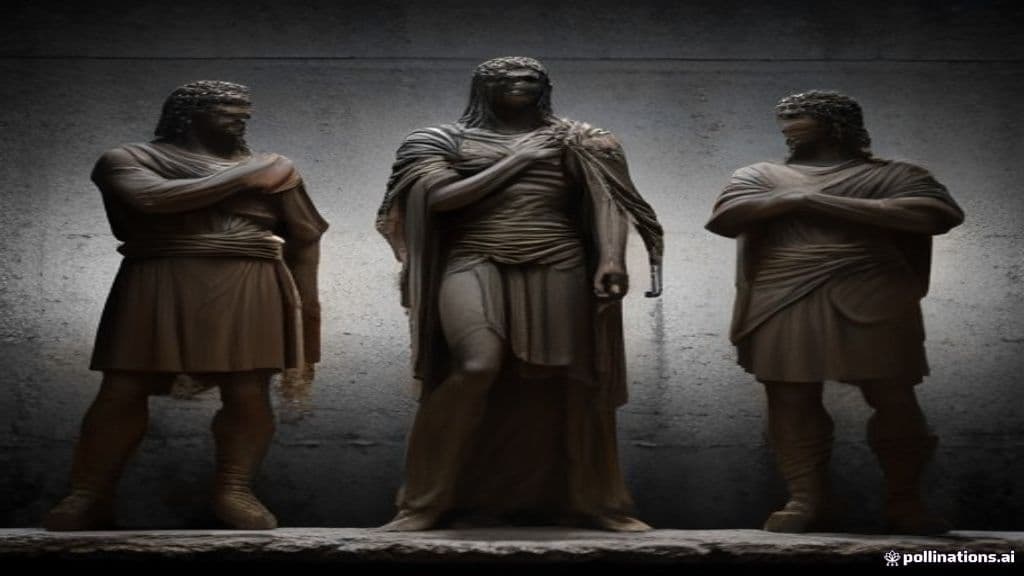
Diores
Diores (Ancient Greek: Διώρης, Diṓrēs) is not a single supernatural entity but a recurring personal name borne by several distinct mortal figures in Greek and Roman epic and mythographic tradition. The name appears attached to at least four human characters — fathers, leaders, princes, and husbands — across Homeric, mythographic, and Virgilian narratives.
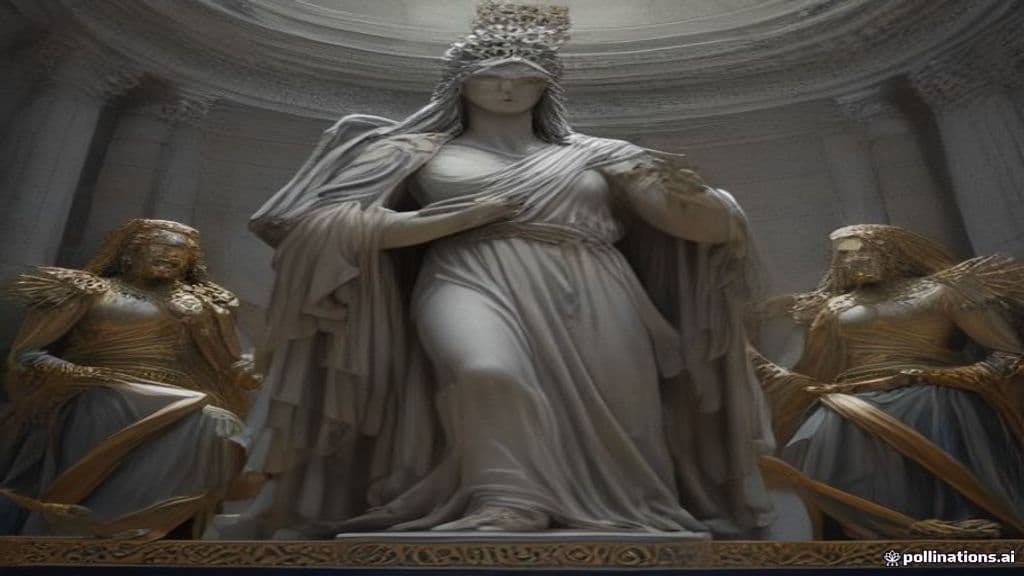
Polyxenus
Polyxenus (Greek Πολύξενος / Πολύξεινος) is a personal name attested across multiple mortal figures in ancient Greek mythic-historical tradition — notably early priests of Demeter, kings of Elis, a suitor of Helen who fought at Troy, and an alternate name for a son of Jason and Medea. The bearers are placed within legendary genealogies and cultic topography rather than the category of supernatural beings.

Hector
Hector is a Trojan prince and the foremost warrior of Troy in the Homeric Iliad, celebrated as a devoted husband, father, son, and defender of his city. Portrayed as exemplary in duty and martial skill, his mortal fate is shaped by combat, family obligations, and the interventions of gods.
Community Record
- [1]Amphimachus I of Elis (Wikipedia). Wikipedia, 'Amphimachus I of Elis'.wiki
- [2]The Kingdom of Elis (Legendary Passages) - Archive LP0052. Archive.org, 'The Kingdom of Elis' (Legendary Passages summary).other
- [3]Homer, Iliad (catalogue and battle passages). Homer, Iliad — Catalogue of Ships and battlefield narrative describing Amphimachus son of Cteatus being struck by Hector; armour clanging at his fall (as cited in research notes).literary