There is no single origin story for Diores because the name functions as an anthroponym applied to multiple mortal figures within archaic epic cycles and later mythographic and Roman poetic reception. The collected attestations identify separate individuals called Diores: a father of Automedon in Homeric context; a son of Amarynceus and leader of the Elis contingent in the Trojan War; a Trojan prince who appears in the funeral games recounted in the Virgilian tradition; and a son of Aeolus who marries his sister Polymele under paternal sanction.
No distinctive or supernatural physical description is provided in the sources; the various persons named Diores are presented as ordinary human figures (leaders, princes, kin, and warriors) within epic narrative lists and accounts.
As mortal characters in heroic narratives, the bearers of the name Diores perform conventional human roles: kinship relations (father of Automedon), military leadership and combat (leader of the Elis contingent killed in battle), athletic/martial participation in funeral games (Trojan prince killed by Turnus), and participation in familial-marital arrangements (son of Aeolus who marries his sister). The sources attribute no supernatural powers or non-human behaviors to any Diores.

Automedon
Automedon (Ancient Greek Αὐτομέδων) is a named mortal charioteer in the Homeric epic tradition, best known as the trusted driver of Achilles who manages the immortal horses Balius and Xanthos and acts as a combatant in episodes of the Iliad. He appears in scenes surrounding Patroclus' death and in later Roman reference (Virgil's Aeneid).

Amarynceus
Amarynceus is a mortal chieftain of Elis in the Greek mythic-historical tradition, presented as a regional leader of the Eleans connected to the heroic age. He appears in variant genealogies and in narratives linking Elis to the Trojan expedition, funeral games, and the dynastic politics involving Augeas and Heracles.

Turnus
Turnus is the legendary mortal King of the Rutuli and chief martial antagonist to Aeneas in Roman epic tradition (most prominently Virgil's Aeneid). Presented as a brave, hot‑headed warrior and suitor of Lavinia, his resistance to the Trojan settlement and eventual slaying by Aeneas form a key episode in Rome's mythic origins.

Polymele
Polymele (Ancient Greek Πολυμήλη, also Polymede/Polymela/Polymede/Polypheme) is a name borne by multiple mortal women in Greek mythic genealogies; she appears in variant local traditions as daughter, wife, or mother of heroes and occasionally as a mortal beloved of a god. Her role is genealogical and narrative rather than supernatural.
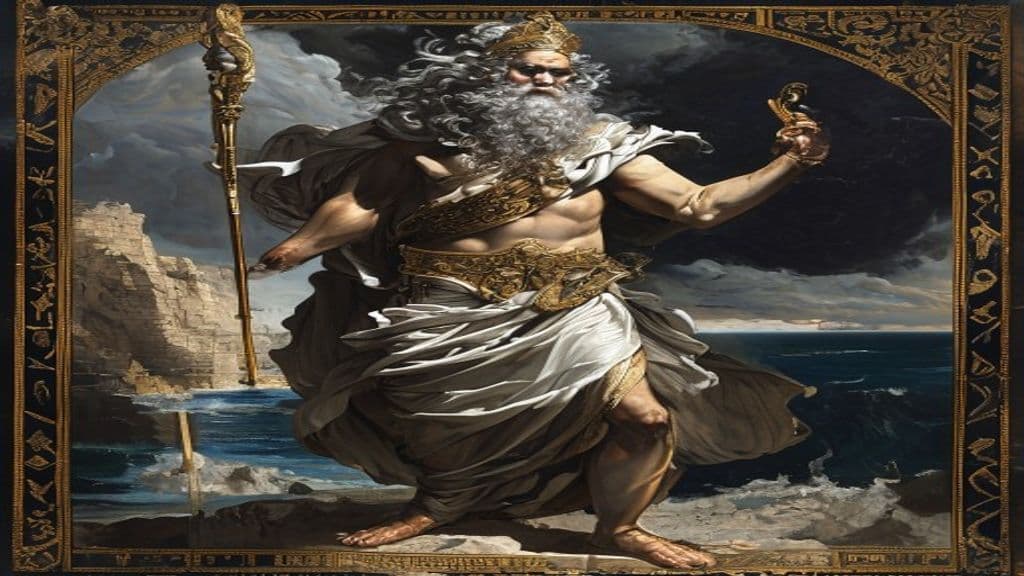
Aeolus
Aeolus is a name applied to multiple related figures in Greek myth: an eponymous son of Hellen (founder of the Aeolian people), a son of Poseidon who led colonial ventures to Tyrrhenian islands, and a son of Hippotes depicted in epic as a ruler or keeper of the winds. Ancient mythographers note confusion and overlap among these persons.
Community Record
- [1]Diores — Wikipedia. Wikipedia, entry 'Diores'.wiki
- [2]Diores — Wikidata. Wikidata entry for 'Diores' (including taxonomic reuse note).other