According to the mythic tradition preserved in classical summaries, Athamas is a son of Aeolus (of Aeolia) and figures as a Thessalian prince and later Boeotian king. Nephele bore him twins Phrixus and Helle; later he married Ino (mother of Learchus and Melicertes) and, by other accounts, had ties to Themisto. The household crises — a plot against the twins, the flight of Phrixus and Helle on the golden ram (Helle falling into the Hellespont), Ino's hostility and later exile, and Hera's vengeance that drove Athamas to madness and filicide — form the key narrative episodes. After the violent episode in which, stricken with divine madness, he slew Learchus, an oracle commanded him to settle where wild beasts would give him hospitality; he interpreted wolves fleeing and leaving bones at Phthiotis as the omen and established himself there, a story used to account for later place-names and the Athamanian population.
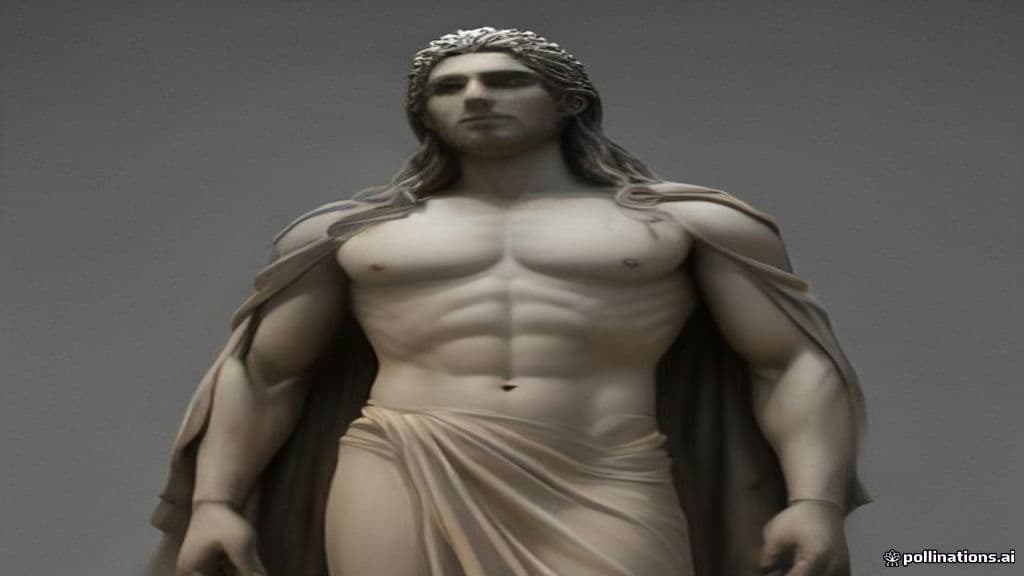
Sources do not supply a physical description of Athamas; classical summaries present him as a mortal king and dramatic role rather than a visually detailed supernatural being. In later cultural reception he appears as a theatrical and operatic character (e.g., in Congreve's Semele libretto and Handel's performances), where he is cast as a royal figure present in scenes of household and sacrificial drama. Standard iconography for Greek kings (regal dress, cloak, sceptre) may be assumed in dramatic representations, but no primary descriptions of his features or regalia are provided in the supplied materials.
Athamas possesses no supernatural powers in the provided accounts; he is a mortal monarch whose authority and actions shape familial and regional outcomes. His capacities are political and domestic: fathering heirs, ruling in Boeotia, and making decisions in response to oracular pronouncements. Crucially, his behavior is subject to divine influence—Hera's induced madness drives him to commit filicide—so his notable actions often occur as human responses to gods, oracles, and fate. His life functions etiologically: his family's misfortunes explain cult transformations (Ino and Melicertes becoming sea divinities) and toponymy/ethnogenesis (Hellespont; Athamanians).
Weaknesses
- conditionvulnerability to divine wrath and madness (Hera-induced insanity)
- conditionsusceptibility to familial manipulation and deceit (stepfamily plots and rivalries such as Ino's hostility and Themisto's revenge)
- otherlack of supernatural agency — mortal limitations that render him dependent on oracular decrees and divine favor
Wards
- othernone documented (no traditional wards or protective rites against Athamas himself in the sources)
Aeolus
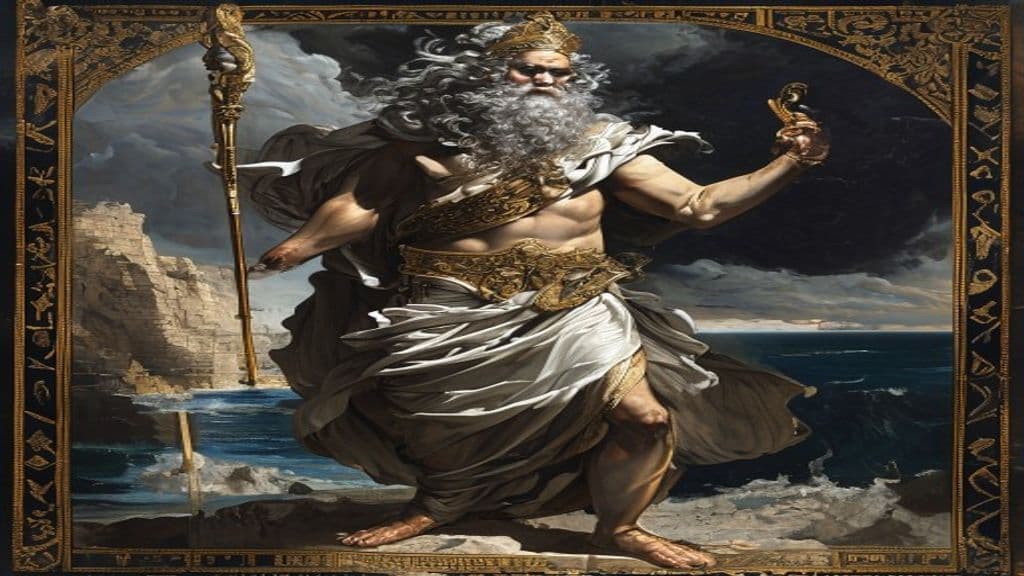
Aeolus is a name applied to multiple related figures in Greek myth: an eponymous son of Hellen (founder of the Aeolian people), a son of Poseidon who led colonial ventures to Tyrrhenian islands, and a son of Hippotes depicted in epic as a ruler or keeper of the winds. Ancient mythographers note confusion and overlap among these persons.
Hera
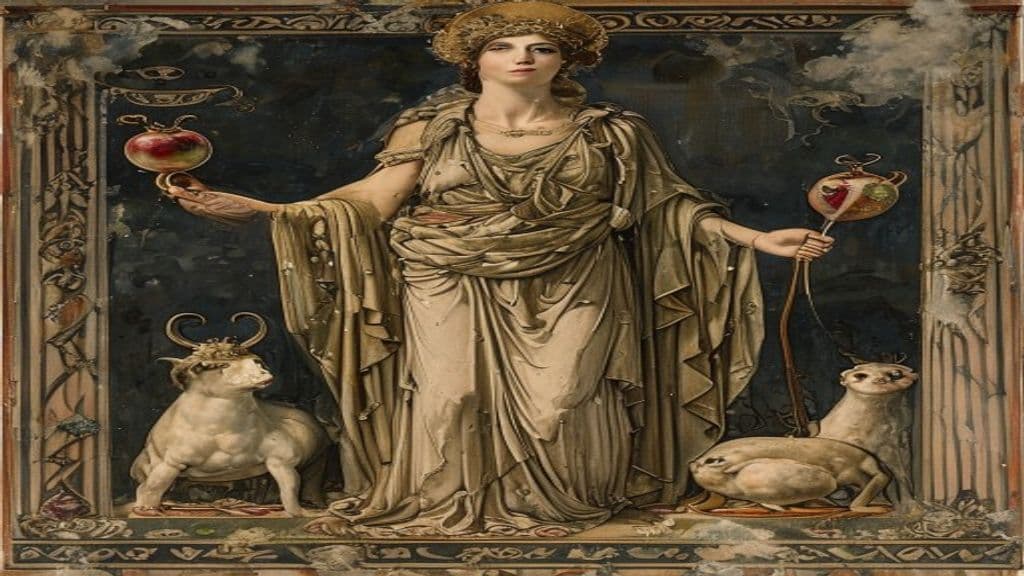
Hera is an ancient Greek goddess, queen of the Olympian gods, and a principal tutelary deity of marriage, women, and family. She functions in myth and cult as protector of lawful marriage and women in childbirth, a civic tutelary figure (notably of Argos), and a sometimes-jealous consort of Zeus with archaic fertility associations in certain local rites.

Dionysus
Dionysus (Ancient Greek: Διόνυσος) is a major ancient Greek deity associated with wine and winemaking, vegetation and fertility, festivity and theatre, ritual ecstasy and possession, and liminal links with death and the underworld. He is an epiphany-god who travels between worlds, whose cult includes ecstatic rites and mystery initiation.
Community Record
- [1]Athamas — Wikipedia. Wikipedia contributors. "Athamas." Wikipedia, The Free Encyclopedia.wiki
- [2]Wikidata entry: Athamas. Wikidata: Q110152other
- [3]Semele (libretto) — Archive.org (Librivox scan). Congreve, William. Semele (libretto). Archive.org scan.literary
- [4]GF Handel - "Semele" - HWV58/nº 27-28 — Archive.org. Recordings/performance listing of Handel's Semele featuring the role Athamas.other