Accounts vary by locality. In many Japanese tales named varieties arise from transformed dead (e.g., two women who fell into Misuma pond becoming paired lights; a vendor killed by a robber memorialized as a nightly fire in Jōsenbi), or from collective transformations of animals (spiders becoming a ball of fire in Kumobi/Kumo no Hi). Elsewhere lights are framed as wandering spirits of the dead, fairies, trickster beings, or non‑agent optical/electrical phenomena; some English and global traditions treat them as will‑o'‑wisps or treasure markers. These origin narratives appear across folklore collections and local stories rather than as a single canonical myth.
Typically described as balls, orbs, lantern‑like fires, beams, or drifting lights. Colors and scale vary by account: paired small balls over ponds (Osabi), umbrella‑sized floating fires that burst into star‑like lights (Nobi), red dancing balls above forests (Kumo no Hi), or solitary or recurring lights in valleys, deserts, or above water. Modern reportage also describes stationary beams (St. Louis light), valley lights (Hessdalen), and anomalous orbs (Marfa, Min Min).
Folkloric behaviors include hovering, drifting, flying along valleys, dancing above water or forests, and appearing near graves, shrines, or spots of former violence. They function in narrative as omens (portents of death), markers of buried goods or treasure, or as the residual presence of wronged/deceased persons. Scientific interpretations offered in sources include electrical discharges (St. Elmo's fire, ball lightning), combustion of gases, and misperception of distant lights; these are presented as alternative explanations rather than folkloric abilities.
Weaknesses
- otherNo consistent folkloric weakness documented; many accounts offer local, heterogenous responses rather than a universal vulnerability
Wards
- ritualsaliva on a zōri and calling (Nobi folk practice)
- ritualcommunity placation by dedicating a small shrine or memorial (recorded response in the Kanko story)
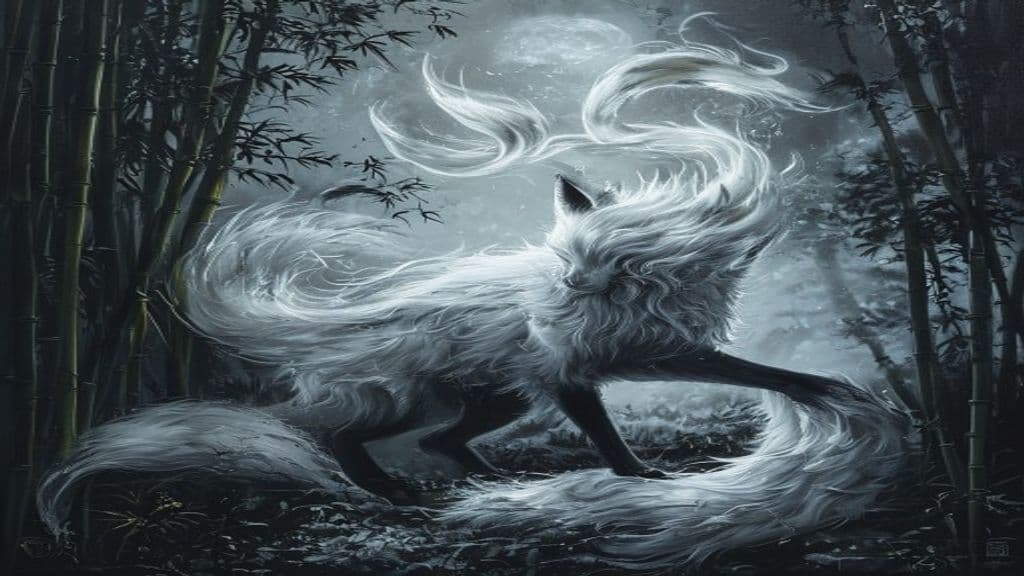
Kitsune
Fox spirits of Japanese mythology — intelligent, long-lived beings who gain additional tails (up to nine) as they age and grow in power. They serve as messengers of the god Inari and as powerful tricksters.
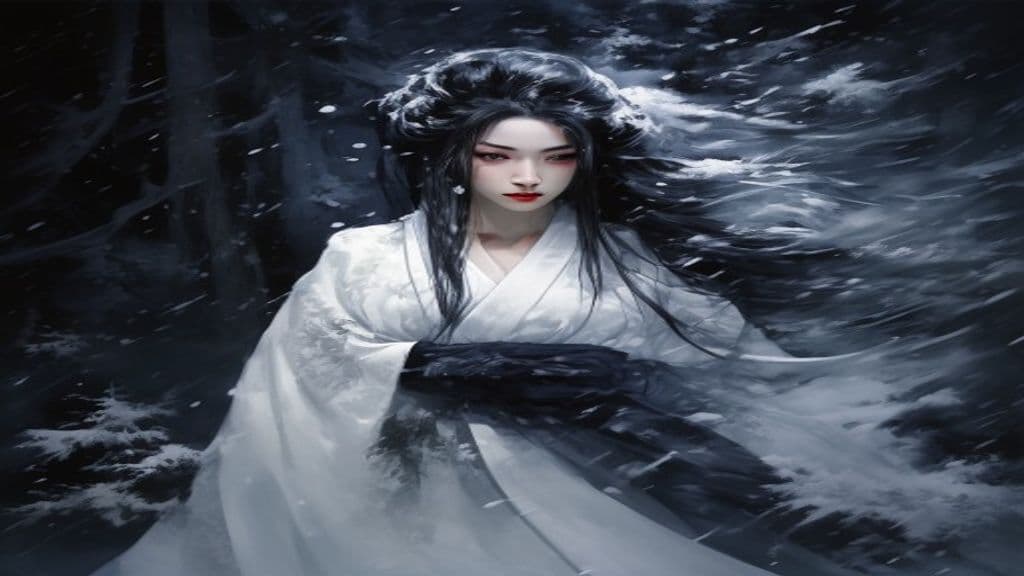
Yuki-onna
The Snow Woman of Japanese folklore — a spirit born of blizzards who appears to travelers lost in snowstorms. Beautiful and lethal, she can show mercy or bring death depending on her mood.
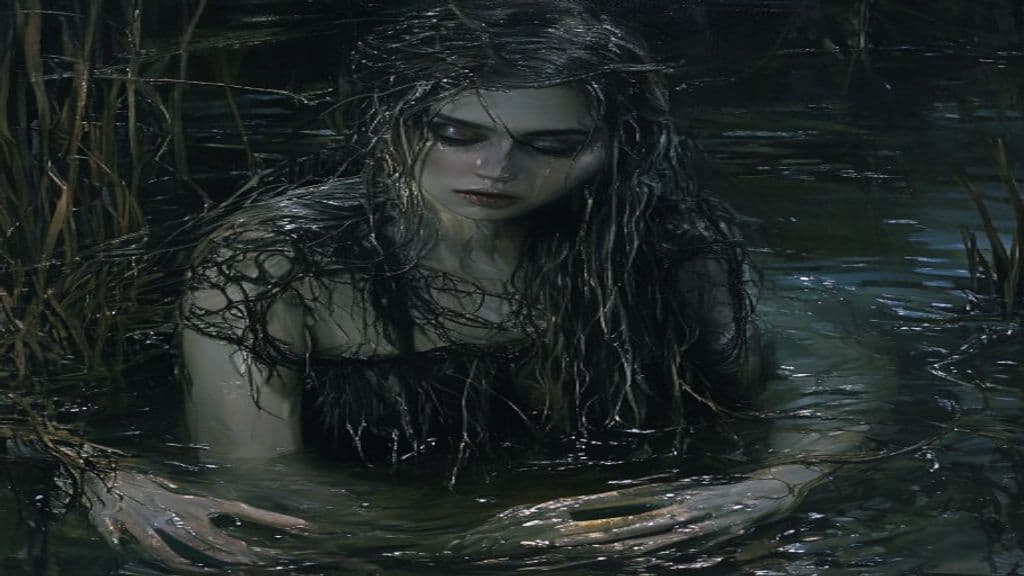
Rusalka
Water spirits in Slavic folklore — the spirits of young women who died by drowning or suicide, bound to rivers and lakes. Beautiful and dangerous, they can bewitch men to their deaths.
5 Ronin
5 Ronin is a 2011 Marvel Comics five-issue limited series that reimagines five Marvel superhero archetypes as rōnin (masterless samurai) in a fictionalized post‑Sekigahara feudal Japan. The work places Wolverine, Hulk, Punisher, Psylocke, and Deadpool analogues into period roles to explore displacement, revenge, and identity in an era of political upheaval.
Abdiel
Abdiel (Hebrew עֲבְדִּיאֵל) is primarily a theophoric Hebrew personal name meaning "servant of El/servant of God," attested once in the Hebrew Bible (1 Chronicles 5:15). In later literature—most notably John Milton's Paradise Lost—Abdiel is reimagined as a faithful seraph who opposes Satan's revolt. The provided sources do not treat Abdiel as an autonomous folkloric spirit type or record rituals or wards associated with the name.
Abiel
Abiel is attested in the supplied sources only as a male given name — borne by several historical American individuals and listed as two minor biblical figures. The provided materials contain no evidence presenting Abiel as a supernatural, mythological, or folkloric entity.
Abigail
Abigail is a female figure in the Hebrew Bible portrayed in 1 Samuel 25 as the intelligent and beautiful wife of Nabal who intervenes to prevent David from committing violence; later tradition regards her as one of the Tanakh's seven female prophets and as a model of beauty and wisdom.
Abumi-guchi
A Japanese yōkai classed as a tsukumogami: an animated stirrup (abumi) depicted in Sekien Toriyama's Gazu Hyakki Tsurezure Bukuro. Traditional accounts say it is formed from a stirrup that belonged to a soldier who fell in battle and that it waits where the stirrup lies for its dead owner to return.
Abura-akago
An Edo-period yōkai depicted as an oil‑licking infant or a ball of flame. First recorded in illustrated compendia (notably Toriyama Sekien's Konjaku Gazu Zoku Hyakki), the Abura-akago is tied to tales of oil‑stealing fires and functions in part as an etiological warning about wasting or stealing oil.
Abura-sumashi
A yōkai spirit from the Amakusa region of Kumamoto Prefecture, Japan, said to inhabit mountain passes. Traditionally explained as the ghost of a person who stole oil, it appears to surprise travelers and is represented in modern media with a straw-coat body and a potato- or stone-like head.
Acala
Acala (Sanskrit: अचल, 'The Immovable') is a wrathful protective deity (dharmapala) in Vajrayāna and East Asian esoteric Buddhism, classed among the Wisdom Kings (Vidyārāja). He functions as a ritual focus for visualization and mantra practice intended to remove obstacles and bind or destroy hostile forces.
Accolon
Accolon is a mortal knight of the Arthurian court, presented in the Post-Vulgate Merlin tradition and Malory's Le Morte d'Arthur as Morgan le Fay's paramour and instrument in a plot to supplant King Arthur; his tale centers on enchanted weapons (Excalibur and its scabbard), love-manipulation, and a tragic duel with Arthur.
Adsullata
Adsullata is attested as a Continental Celtic river goddess associated with the River Savus (modern Sava) in the Roman province of Noricum. Later traditions record her presence in Brittany as a goddess of hot springs and present her as an antecedent or origin-form of the Anglo‑Celtic sun goddess Sul.
Afaon fab Taliesin
Afaon fab Taliesin is a medieval Welsh warrior-counsellor, named as a son of the bard Taliesin and recorded among Arthur’s retinue in Welsh tradition. He appears in the Welsh Triads and in the tale Breuddwyd Rhonabwy (The Dream of Rhonabwy) as a notable martial figure and proverb-speaker rather than as a supernatural being.
Agaru
Agaru (attested historically as Agarum) appears in the supplied sources as a Bronze Age Near Eastern toponym—often identified with Failaka Island—and as a modern personal or media name. The provided material contains no evidence that Agaru is a supernatural being in any traditional cosmology.
Community Record
- [1]Atmospheric ghost lights (Wikipedia). Wikipedia, 'Atmospheric ghost lights'.wiki
- [2]Wikidata: atmospheric ghost lights (Q8786340). Wikidata entry Q8786340.other
- [3]Tenka (atmospheric ghost light) (Wikipedia). Wikipedia, 'Tenka (atmospheric ghost light)'.wiki
- [4]We Have Seen the Lights: The Marfa Ghost Lights Phenomenon (C.M. Mayo). C. M. Mayo, 'We Have Seen the Lights: The Marfa Ghost Lights Phenomenon'.folk
- [5]Marfa Mondays Podcast transcript – 'We Have Seen the Lights'. Marfa Mondays Podcast transcript, 'We Have Seen the Lights'.folk