
The term and concept of azhdaha occur within classical Persian cosmological and epic works (Sad dar-e nathr, Sad dar-e Bondahesh, Shahnameh, Garshaspnameh). The name-form is etymologically linked in the sources to older mythic figures such as Azhi Dahāka (Aždahāka) / Zahhāk, indicating that the lexical and mythic category of large serpentine monsters is longstanding in Iranian narrative traditions rather than deriving from a single modern origin story.
Sources describe the azhdaha as gigantic, winged serpents with huge bodies, fierce faces, bright eyes, and wide mouths with many teeth. Descriptions place them in the register of large draconic/serpentine monsters found in Persian epic and cosmological literature.
Cited descriptions place azhdaha as creatures that live in the air, in the sea, or on the earth; this implies trans-elemental mobility (flight, aquatic movement, and terrestrial presence) though specific supernatural powers (e.g., breath weapons or magic) are not attested in the provided sources. Their size, teeth, and depiction in narratives mark them as physically dangerous antagonists within mythic episodes.
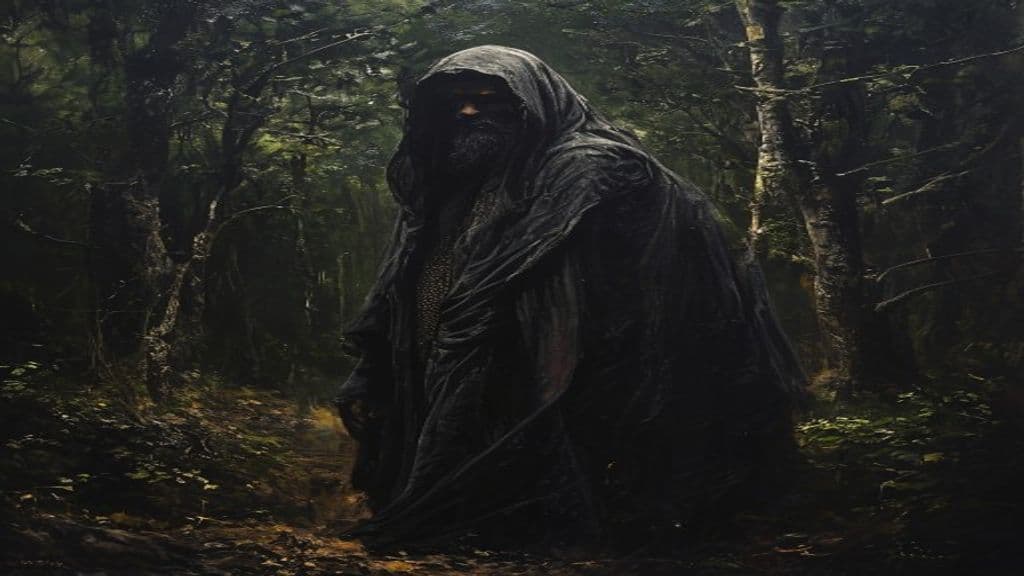
Sohrab
A legendary warrior in Persian epic tradition, son of Rostam and Tahmineh. (Note: 1. Power tier: Given that Sohrab's abilities are not described in the source material, it's unclear whether he should be classified as Greater or even if he has deity-level powers. 2. Sensory cues: No)
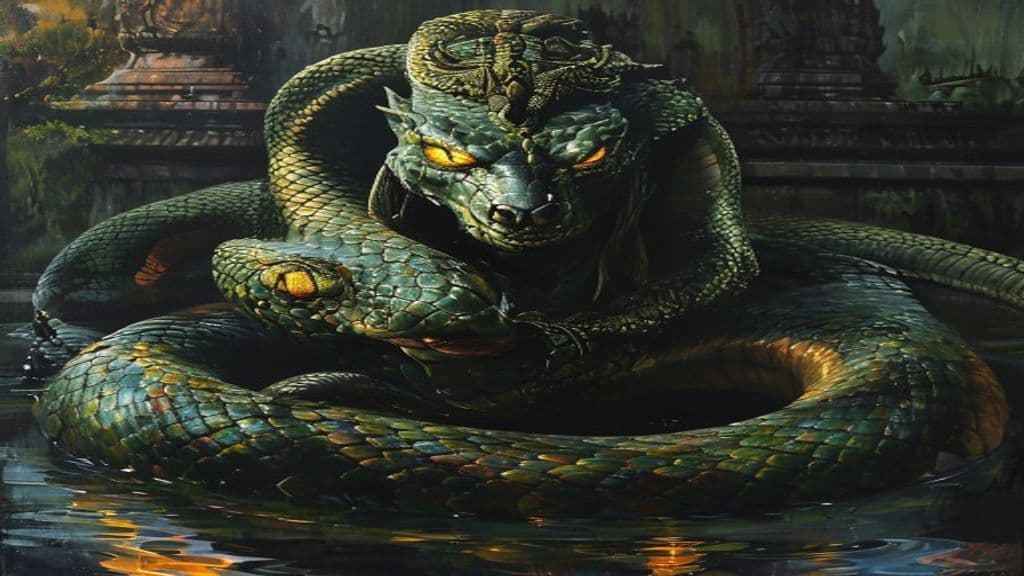
Naga
Divine serpent beings of Hindu, Buddhist, and Jain cosmology — powerful guardians of water, earth, and underground treasures. Revered as deities in South and Southeast Asia.
Al (Georgian Tradition)
In Georgian tradition, Al is a supernatural entity that interferes with human reproduction, acting as a demon of childbirth. (Note: - Power tier should be "Ancient" (Al is a demon of childbirth, but not cosmic-level) - Abilities need to specify that Als can cause spontaneous abortions, stillbirths, and infant mortality, as stated )
Amir Arsalan-e Namdar (The Exalted Prince Arsalan)
A powerful, potentially benevolent figure in Persian mythology with magical abilities. (Note: 1. Power tier needs to be adjusted based on abilities described (as benevolent figure with magical abilities), could be Lesser or Minor Spirit instead of Greater. 2. Summary should mention specific my)
Ashkbous
Legendary warrior and champion in Persian mythology, from the Shahnameh epic poem. (Note: 1. Remove the statement "No physical description of Ashkbous provided in the source material." since the article explicitly mentions an appearance is not provided, implying one does not exist. 2. Powe)
Banu Goshasp
Important heroine in Iranian mythology, appearing in several Persian epics including the Banu Goshasp Nama. (Note: - The power tier should be Ancient, not Primordial, as there's no indication that she has cosmic-level abilities. - There are no sensory cues, weaknesses, or wards listed, but they could potentially b)
Bijan and Manijeh (Persian tradition)
Legendary figures from the Persian epic poem Shahnameh, embodying ideals of love, loyalty, and constancy. (Note: 1. Power tier should be Lowered to Ancient (deity-level) as they are figures from a legendary love story in an epic poem, but their abilities are symbolic ideals rather than cosmic or universe-changin)
Chamrosh
Supernatural bird entity inhabiting the summit of Mount Alborz in Persian mythology. (Note: 1. Remove "Origin story" section since no origin story is provided in the source material. 2. Add a statement about the lack of specific abilities or behaviors under the "Abilities" section to clarify)
Daeva
In Zoroastrian and Iranian tradition, a daeva (Avestan daēuua) is a class of supernatural being that the Zoroastrian revelation repudiates; in the oldest texts they are 'gods that are (to be) rejected' and in later tradition they come to be depicted as divinities promoting chaos and, ultimately, as personifications of evil.
Div-e Sepid
A powerful demon and chieftain of the Divs (demons) of Mazandaran in Persian mythology, known for his mastery over elemental forces and control over spirits or the dead. (Note: - Power tier: Greater (Div-e Sepid is not described as having deity-level abilities, but rather as a powerful demon chieftain) - Abilities: corrects "control over spirits or the dead" to be more speci)
Duzakh
In Persian mythology, Duzakh is a place of punishment and suffering in the afterlife. (Note: 1. Power tier should be adjusted to "Lesser" as Duzakh is a specific place of punishment, not a cosmic entity. 2. The origin story and appearance are missing. 3. Abilities could be more specific about)
Faramarz
Heroic figure in Persian epic tradition, son of Rustam and protagonist of the Faramarz-nama. (Note: - Power tier: Lower, based on source material (heroic figure, son of Rustam), should be at least Greater=powerful regional spirit - Origin story: Only mentions relationship to Rustam, no Primordial or)
Farhad (Persian literature)
In Persian literature and mythology, Farhad is a character associated with the love story of Khosrow and Shirin. (Note: 1. Power tier should be revised to "Minor Spirit" since Farhad's abilities are more related to his devotion and determination, rather than cosmic or deity-level powers. 2. Remove description of "Appea)
Fulad-zereh
A huge horned demon from the Persian story of Amir Arsalan, associated with aerial wanderings and predatory behavior. (Note: 1. Power tier: Lower to "Ancient" or "Greater" as Primordial is typically reserved for entities with cosmic-level powers, which Fulad-zereh's abilities do not suggest. 2. Appearance: Add that it has a)
Community Record
- [1]Azhdaha. Wikipedia, 'Azhdaha' article (summary describing azhdaha as a mythical creature in Iranian mythology; cites Sad dar-e nathr, Sad dar-e Bondahesh, Shahnameh, Garshaspnameh).wiki
- [2]Zahhak. Wikipedia, 'Zahhak' article (notes the figure is evident in ancient Persian folklore as Azhi Dahāka / Aždahāka).wiki
- [3]Zahhak - Alchetron. Alchetron summary linking Zahhāk and the older name Azhi Dahāka, indicating the name-form relationship within Iranian mythic tradition.other
- [4]Yasmin and the Serpent Prince. Wikipedia entry for the Persian folktale 'Yasmin and the Serpent Prince' cited in the notes as evidence of serpent-prince motifs in Persian folklore; used to indicate folkloric presence of human–serpent narratives.wiki
- [5]Azhdaya : The Serpentine Guardian of Baltic Mythology | Mythlok. Mythlok article noting similar name-forms (Azhdaya/Aždaja/Azhdaha) in wider Eurasian folklore; cited only as a cross-cultural/name-form parallel, not as a primary Persian source.other