
Not described in source material. Implied to be more spiritual than physical.
May exhibit characteristics associated with the god Shango, such as power, strength, and weather-related phenomena (e.g., thunder).
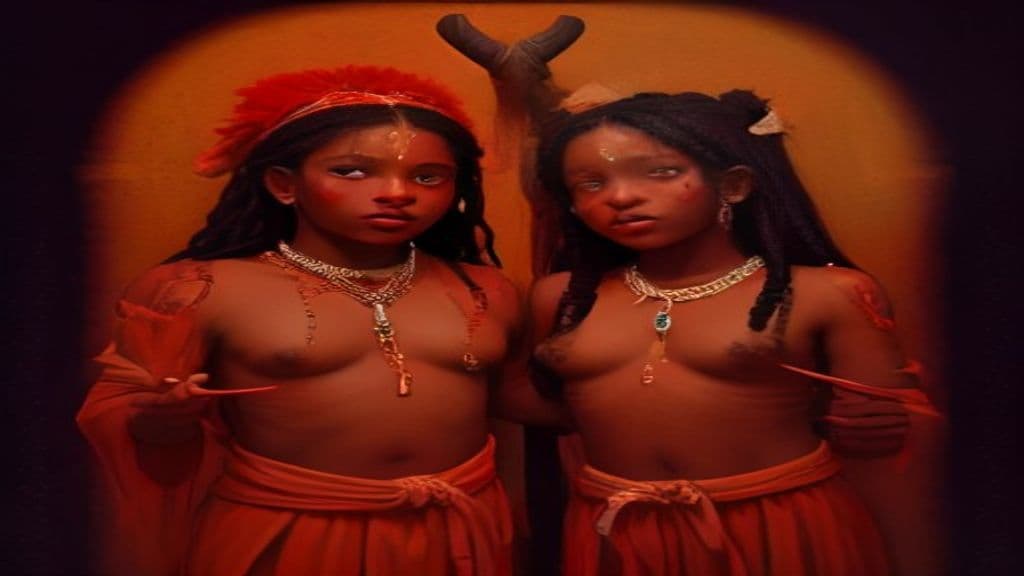
Egbere
Malevolent humanoid supernatural beings in Yoruba mythology, residing in woods and active only at night. (Note: 1. Power tier should be Greater (powerful regional) based on the description as malevolent beings residing in woods. 2. Abilities need more specific information, such as their connection to darkness o)
ʻElepaio
The ʻelepaio is a species of bird (monarch flycatcher) endemic to the Hawaiian Islands, known for its adaptability and survival in various environments. (Note: 1. Power tier is not supported by source material; ʻelepaio's abilities and behaviors as a monarch flycatcher species do not imply Minor Spirit classification. 2. Add sensory cues (e.g., distinctive c)
ʿAbd al‑Qādir al‑Jīlānī
Historical Sunni Muslim preacher, Hanbali jurist, and Sufi shaykh who is the eponym and authoritative exemplar of the Qādiriyya Sufi order; remembered for his recorded discourses (majalis), juridical learning, and role as a transmitter of Sufi training and khirqa investiture. Active in Baghdad in the 12th century, his writings and shrine remain central to Qādirī devotional and institutional life.
ʿAmm
ʿAmm (Sabaean: 𐩲𐩣, romanized ʿm; Arabic: عمّ) is attested in the Old South Arabian record as a moon god worshipped in the kingdom of Qataban (ancient Yemen) who also bears weather attributes, notably lightning. He figures in Qatabanite cult life with a named consort, Asherah, and an associated oracle-judge, Anbay; the population identified itself as the Banu ʿAmm (“Children of ʿAmm”).
Ḥabīb
Ḥabīb (حبيب) is an angelic figure attested in Islamic Miʿrāj (Night Journey) literature, traditionally described as miraculously composed of both fire and ice and used in exegetical and Sufi writings as a theological sign of divine power to reconcile opposites.
Ḫegir
Ḫegir (also attested Ḫegirnunna) is a Mesopotamian temple deity associated with the state of Lagash and the cult-center Girsu. She functions as a member of the household of Ningirsu and Bau, attested in Early Dynastic and later inscriptions (including Urukagina and Gudea) as a lukur (temple-woman/priestess-like attendant) and at times as a daughter of Ningirsu and Bau.
Ṣàngó (Shango / Chango / Xangô)
Ṣàngó is a major orisha in the Yorùbá pantheon identified as a deified royal ancestor (the third Alaafin of Oyo) and as the spirit who governs thunder, lightning, fire, virility, drumming, dance, strength and justice. He is venerated across Yorubaland and in African-derived New World religions (e.g., Candomblé, Santería, Vodou) where his attributes, symbols and rituals have been adapted and occasionally syncretized with Catholic saints.
Ọya
Ọya is a principal female orìṣà in the Yoruba pantheon associated with winds, lightning, and storms. She is also described in the supplied sources as the only orìṣà capable of controlling the Eégún, a power said to have been given to her by Babalú Ayé.
Ọ̀rúnmìlà
Ọ̀rúnmìlà is a principal Orisha in the Yoruba religious system, venerated as the deity of wisdom, knowledge, fate, prophecy, enlightenment, and divination. Tradition credits him as the revealer and transmitter of the Ifá divination corpus (the 256 Odu) and as a primordial Irunmọlẹ who acts as an authoritative witness to destiny.
ʻAumakua
An ʻaumakua is a Hawaiian personal or family deity that originates as a deified ancestor and functions as a protective and evaluative spirit for a particular family line. It may manifest through various 'spirit vehicles' such as animals or natural objects and acts as guardian and moral arbiter for descendants.
Community Record
- [1]Wikipediawiki