Buttons does not have a mythic or cultic origin; rather, the character emerges from the repertory of British popular theatre and pantomime practice. As recorded in contemporary theatre references, Buttons is a recurring, named archetype within Cinderella pantomimes throughout the UK and Australia and functions within the same ecosystem as other stock pantomime roles (for example the pantomime dame and other comic/supporting parts). Sources indicate the character arises from theatrical convention—travesti and broad-comedy traditions in British pantomime—rather than from an older folkloric or supernatural origin (Sources: Wikipedia: Buttons (pantomime) [Source 6]; Pantomime dame background [Source 7]; theatre websites and local reviews [Sources 8, 9]).
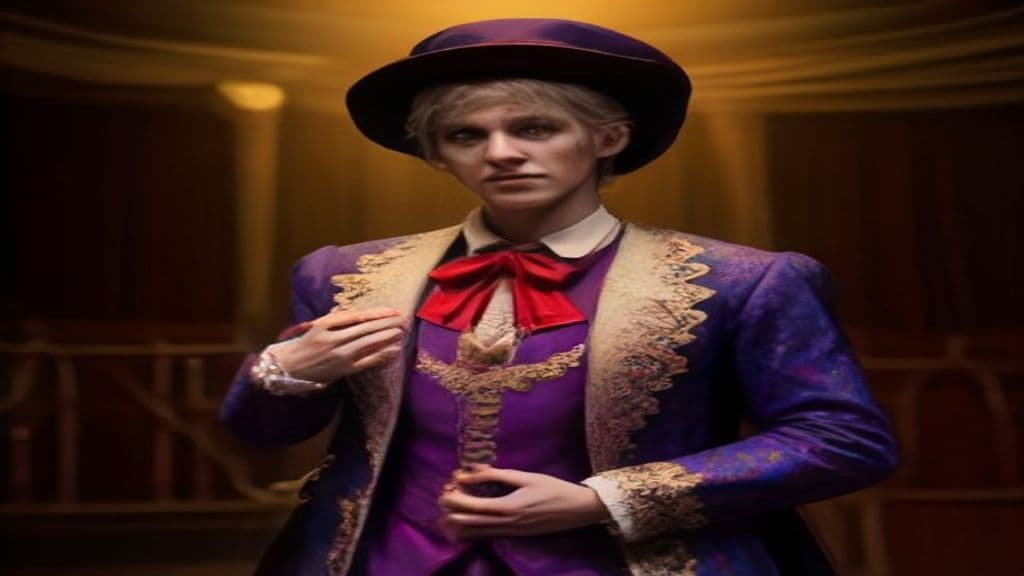
Sources describe Buttons as an onstage male household servant portrayed within pantomime performance conventions. While specific canonical costume details are not given in the supplied material, pantomime practice typically presents exaggerated, comic costuming and a lively presentational persona; contemporary reviews describe performers as a “very bubbly Buttons,” indicating an energetic, comic stage portrayal. No fixed uniform, props, or canonical visual attributes are documented in the provided sources (Sources: Buttons (pantomime) [Source 6]; theatre reviews [Sources 8, 9]).
Buttons' documented functions are theatrical and social rather than supernatural. He aids Cinderella, expresses affection (often unrequited) toward her, and supplies comic business and direct audience engagement as part of the pantomime's emotional and comedic texture. The sources explicitly treat Buttons as a conventional stage role and do not attribute any magical powers or non-human behaviours to the character (Sources: Buttons (pantomime) [Source 6]; context from pantomime tradition and dame/travesti practice [Source 7]; production reviews [Sources 8, 9]).
Weaknesses
- otherNone; not supernatural
Wards
- otherNone; not supernatural
Cinderella's stepsisters
Human antagonists in the Cinderella tale-cycle: the stepdaughters of the heroine's stepmother who persecute and compete with the heroine for status and marriage. They function as social and moral foils, varying across Perrault, Grimm, Chinese (Ye Xian) and pantomime traditions in name, appearance, and narrative fate.
Busaw
A malign corpse‑stealing being that resembles humans by day, lives near burial grounds, and preys on freshly dead corpses—stealing them from coffins, transforming them into pigs, and consuming them. It also attempts to spread its condition by feeding stolen human flesh to neighbors.
Buschgroßmutter
A female wood/forest spirit of German folklore, especially attested in Thuringia, Saxony, German Silesia and parts of Bohemia and Transylvanian Saxon tradition. She is an ancient, ambivalent grandmotherly figure of the underwood who may reward respectful helpers or punish mockery and transgression of forest norms.
Busiris
Busiris (Greek: Bousiris, Βούσιρις) is a name used in Greek-language myth and geography for several Egyptian towns and for at least two mythic personages: a legendary king of Egypt portrayed in Heracles cycle stories and a mortal son of Aegyptus in genealogical lists. In Greek tradition the king-figure is remembered chiefly for instituting the sacrifice of foreigners and for his confrontation with Heracles.
Buso
A capacious Bagobo category for malevolent non-human beings in Mindanao animistic belief; buso are implicated in disease, death, and consumption of flesh and are managed through offerings, avoidance, and local ritual practice. The term covers many named types (tigbanua, mantianak, karokung, etc.) rather than a single mythic personality.
Butes
Boutes (Ancient Greek: Βούτης, Boútēs, literally 'herdsman') is a personal name applied to several distinct figures in Greek mythology — mortal princes, Argonauts, warriors, and local cult-heroes — rather than a single supernatural species. Bearers of the name appear across multiple heroic cycles and locales, notably an Athenian priest-hero, an Argonaut rescued by Aphrodite, and a Thracian punished by Dionysus.
Button-Bright
Button-Bright is a fictional boy created by L. Frank Baum who appears as a recurring secondary protagonist in several Oz books. He is portrayed as an absent-minded, wandering child who participates in journeys around the Emerald City and its neighbouring lands rather than as a supernatural being.
Buzi
Buzi (Hebrew: בּוּזִי, Būzī) is attested in Hebrew sources as the father of the prophet Ezekiel and identified as a priest of Jerusalem (Ezekiel 1:3). The name derives from the Hebrew Buz (בּוּז), which can mean 'despise' or indicate descent from Buz son of Nahor; later traditions sometimes read the name thematically rather than ascribing further biographical detail.
Byggvir
Byggvir is a minor named attendant of the Vanir god Freyr attested in the Old Norse poem Lokasenna (prose introduction and stanzas 55–56). Scholarly commentary commonly reads him as an agricultural personification linked to barley or to mill-refuse (chaff), though the primary texts give only sparse narrative detail.
Bysen
Bysen is a legendary gnome-like being from the island of Gotland, Sweden, associated with woods, boundaries, and mischief. Accounts portray Bysen both as a small forest guardian/agent and, in some variants, as a restless deceased person condemned for moving boundary markers.
Byssa
Byssa (Ancient Greek: Βύσσα, Bússa) is a woman of Meropis on the island of Kos in Greek myth who, according to surviving summaries of a myth preserved in metamorphosis compilations, refused to honor Artemis, Athena, and Hermes and was punished by being transformed into a bird.
Byōbunozoki
A Japanese yōkai recorded in Toriyama Sekien's Konjaku Hyakki Shūi, described as a creature that peers at a person from the outside of a folding screen (byōbu), literally a 'folding-screen peeper.' The entry is primarily a literary/visual bestiary motif rather than a detailed folkloric tradition.
Community Record
- [1]Buttons (pantomime). "Buttons is a traditional character in Cinderella pantomimes, and is commonly portrayed in Cinderella pantomimes throughout the UK and Australia. He is typically a male servant of the household who helps Cinderella and loves her, and who is liked and trust" (excerpt).wiki
- [2]Button. "A button is a fastener that joins two pieces of fabric together..." (included to show literal word meaning contrasted with theatrical name).wiki
- [3]Pantomime dame. "pantomime dame is a traditional role in British pantomime. It is part of the theatrical tradition of travesti portrayal of female characters by male actors in drag." (used to situate Buttons within related pantomime conventions).wiki
- [4]It's Behind You - Pantomime in Spain (Sue White page). Theatre website material and reviews illustrating contemporary production practice and character interpretations (referenced for examples of performance descriptions).other
- [5]It's Behind You - Nigel Peter page. Theatre website material and reviews illustrating contemporary production practice and character interpretations (referenced for examples of performance descriptions).other
- [6]Bradford’s finest fool | Morning Star. Local review/context showing Buttons as a performable role in community/theatre press.other
- [7]Pantomime | Cat's End. Contextual material on pantomime as a traditional theatrical form (used to support cultural-context claims).other
- [8]PANTOMIME is as traditional as mince pies, mulled wine.... Phrase used to indicate pantomime's seasonal/traditional positioning in local press (Source 11 excerpt).other