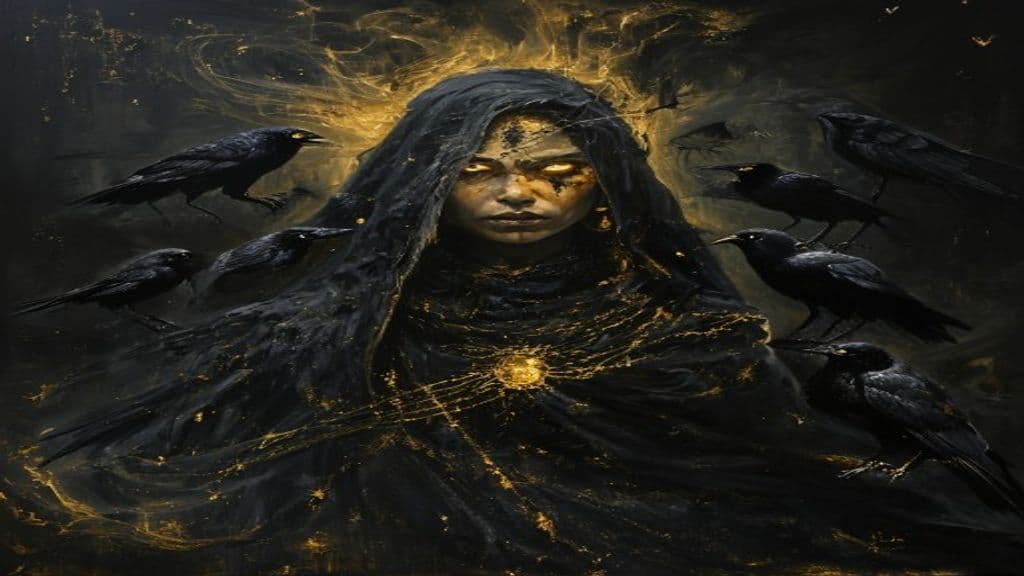
The Chandalika is the terminal form of the Dayan — 1600 years of accumulated power, transgression, and survival. The name invokes the chandala, the outcast of outcasts in caste society, and the Buddhist play Chandalika about the transformative power of a low-caste woman who claims sovereignty over her own desire. At this stage the witch has stopped being a human being who does evil and has become something closer to a force of nature that wears human shape when convenient.
In Bihar and eastern UP folk tradition, a Chandalika is not something that can be defeated by ordinary means. The oldest accounts say she can only be contained — bound to a single tree or well for a generation — by a gathering of seven ojarha (specialist exorcists) who must all survive the ritual. The accounts also say that no Chandalika has been killed in living memory; only bound or driven out of a region.
Has largely abandoned fixed appearance. May appear as a very old woman, a middle-aged one, or something that approximates human form without quite achieving it. In the presence of a Chandalika, mirrors show the wrong reflection. Photographs taken near her are blurred. Animals are catatonic, not merely frightened.
Can destroy a family line across seven generations with a single deliberate curse. Her hexes resist standard protective measures. Can possess multiple people simultaneously in a village. Immune to most mantras — only specific and obscure ojarha traditions retain effective counter-knowledge. Can call upon the accumulated dead of her entire 1600-year history as a personal army of spirits.
Weaknesses
- ritualSeven ojarha performing binding ritual simultaneously
- conditionCannot cross seven rivers simultaneously — binds her to a region
Wards
- ritualThere is no household ward adequate — community-level specialist intervention only
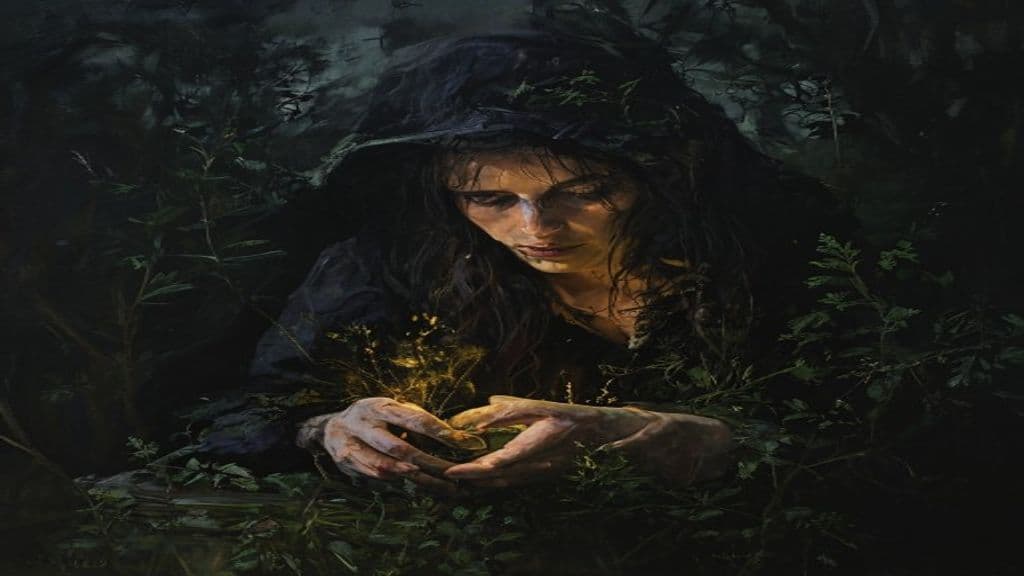
Menka
A Dayan witch who has survived approximately 200 years — the first named threshold, when her glamour is at its most potent and her seductive powers allow her to pass freely among the living.
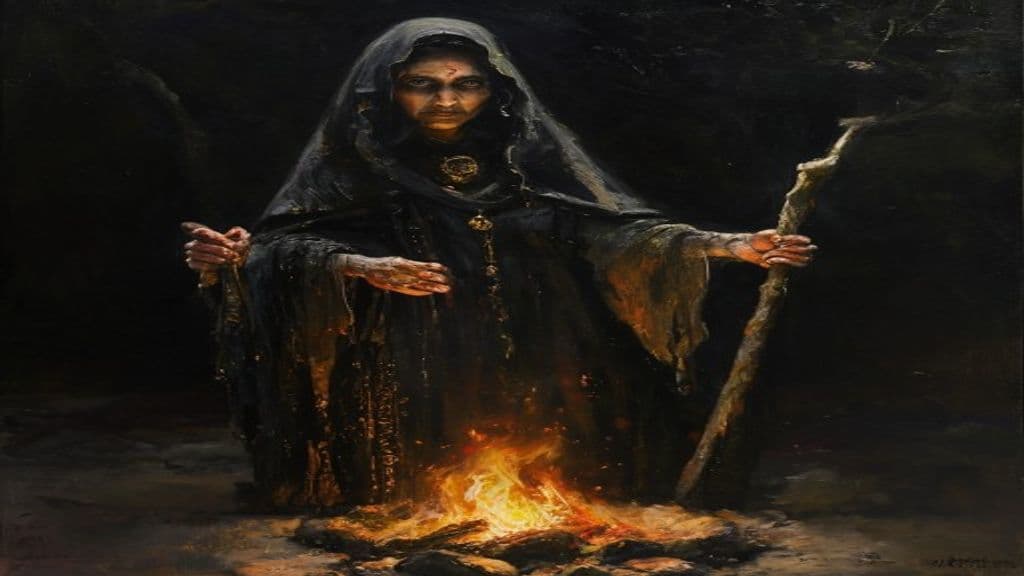
Manthara
A Dayan witch of approximately 400 years — named for the scheming Manthara of the Ramayana, her power has shifted from seduction to manipulation, able to bend the fates of entire families through whispered influence.
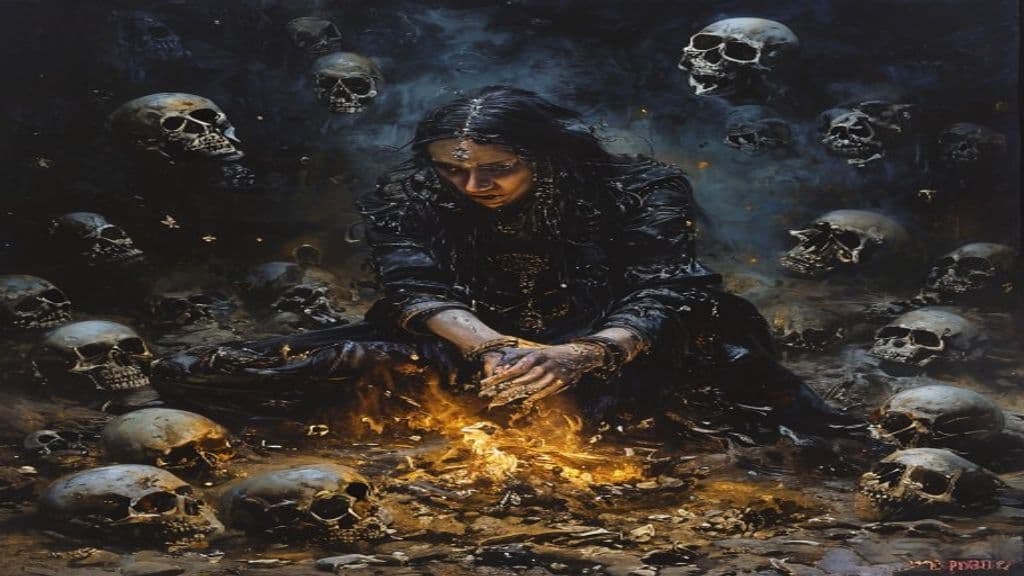
Damyanti
A Dayan witch of approximately 800 years — named for Damayanti of the Mahabharata, her power has grown to command weather, disease, and the spirits of the dead across an entire district.
Community Record
- [1]Folk Demonology of North India. Crooke, William. 1896. The Popular Religion and Folk-Lore of Northern India. Archibald Constable.folk
- [2]Dayan Witch Persecution. Skaria, Ajay. 1997. 'Women, Witchcraft and Gratuitous Violence in Colonial Western India.' Past & Present 155.academic