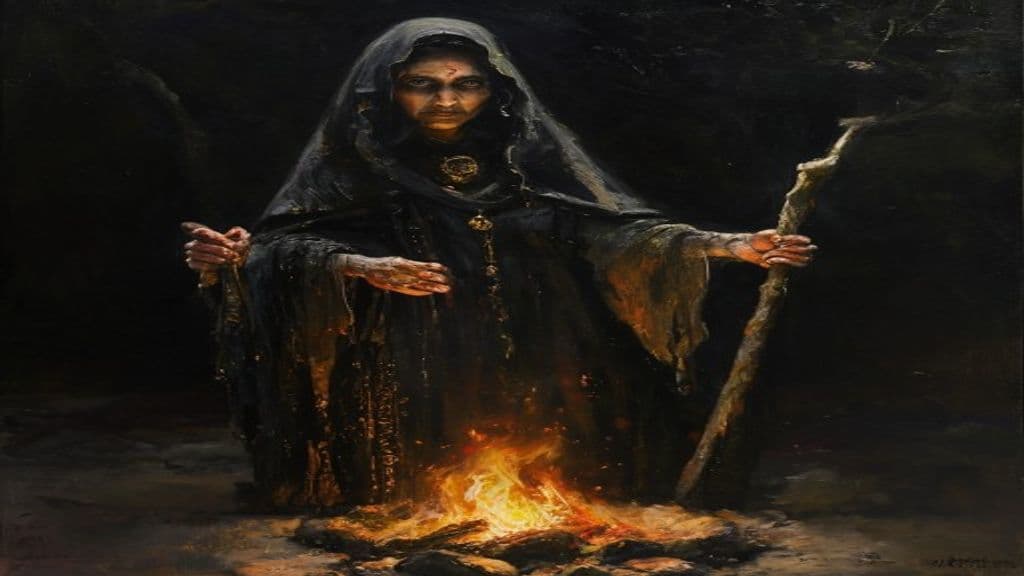
At 400 years, the Dayan passes her second threshold and becomes Manthara — named for the hunchbacked maidservant of the Ramayana who whispered Queen Kaikeyi into destroying her own family's happiness. The name is not accidental: at this stage the witch's power has evolved from personal glamour into something more systemic. She no longer needs to work on individuals; she works on relationships, families, and lineages.
A Manthara has had four centuries to learn which threads of a community's life are load-bearing. She can introduce a rumor at the right moment that will destroy a family across generations. She often appears as a harmless old woman, a servant, a distant relative — roles that give her access to domestic interiors where her real work happens.
Appears as a middle-aged or elderly woman, sometimes with a slight stoop or physical irregularity that disarms suspicion. Her eyes hold centuries of accumulated knowledge about human weakness. She has learned that appearing powerful is dangerous — she prefers to appear small, overlooked, harmless.
Can engineer social catastrophes through precise, minimal interventions — a whispered doubt, a delayed message, a misplaced object. Her hexes now affect entire family lines rather than individuals. Can cause miscarriages, business failures, and court cases to go wrong. Can see the structural weaknesses in relationships that others cannot.
Weaknesses
- ritualUncovering and naming her specific hex breaks it
- substanceSalt barrier around her sleeping space
Wards
- ritualKeeping family disputes internal and away from outside ears
- symbolSwastik at all four corners of the house gate
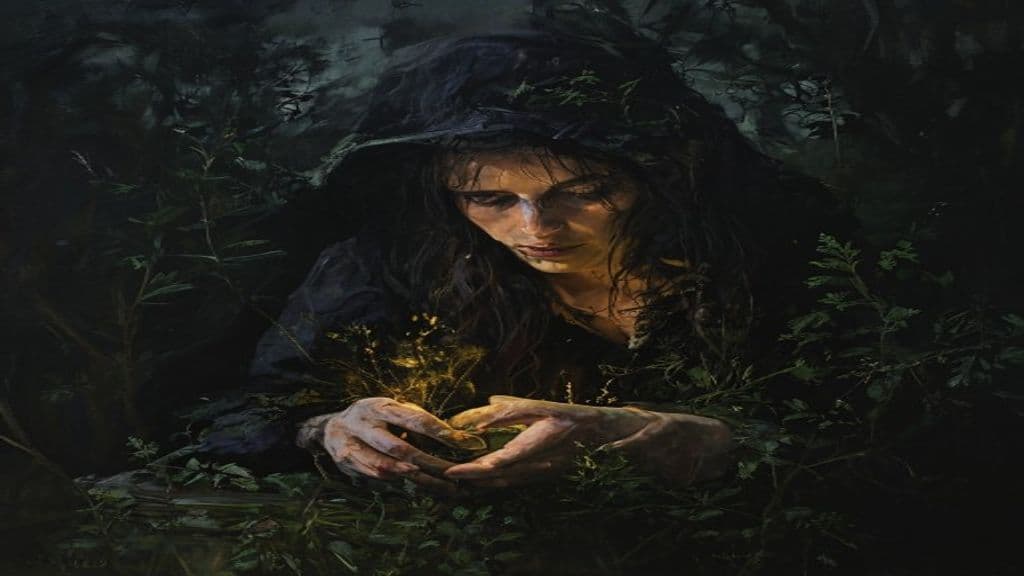
Menka
A Dayan witch who has survived approximately 200 years — the first named threshold, when her glamour is at its most potent and her seductive powers allow her to pass freely among the living.
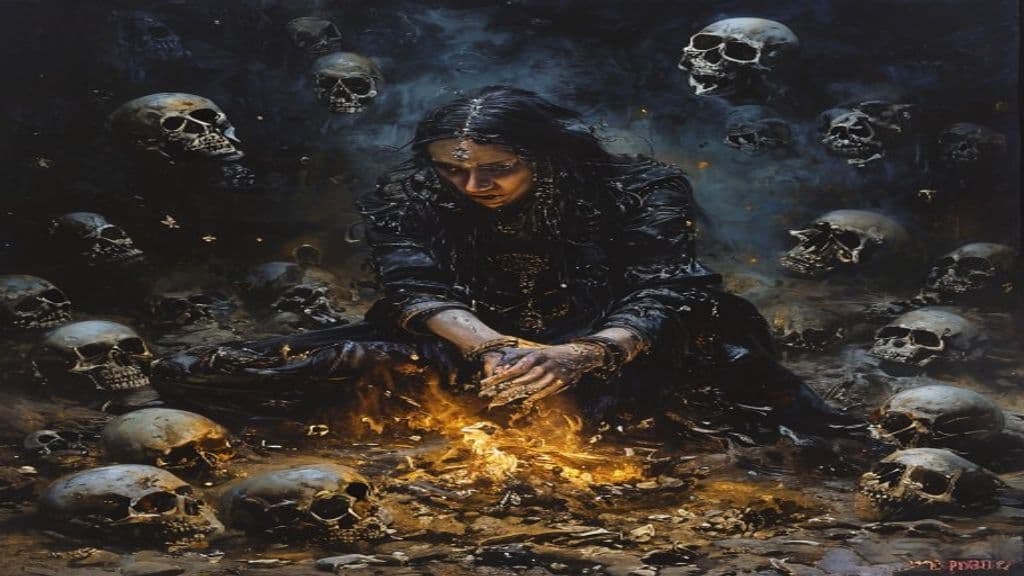
Damyanti
A Dayan witch of approximately 800 years — named for Damayanti of the Mahabharata, her power has grown to command weather, disease, and the spirits of the dead across an entire district.
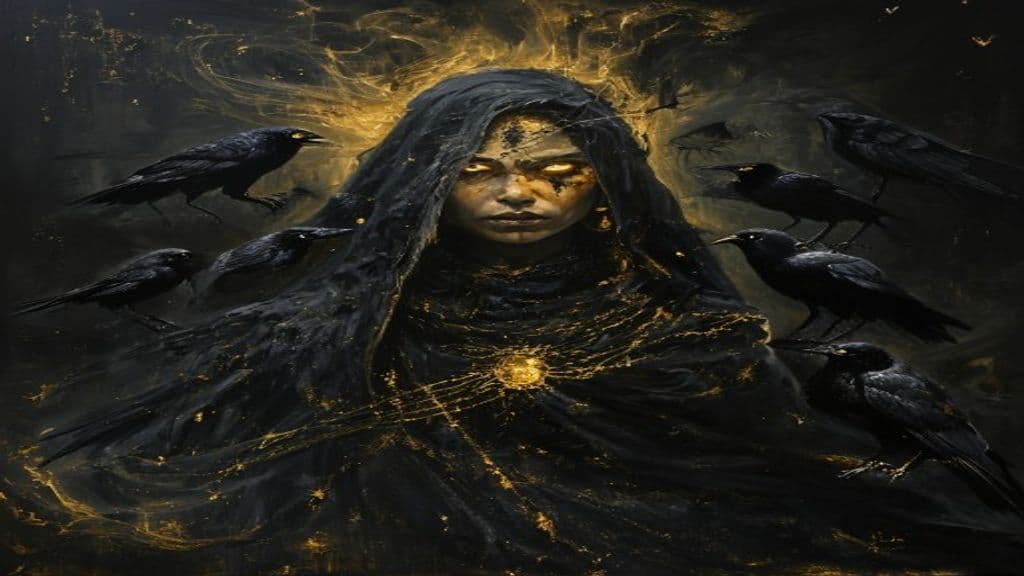
Chandalika
A Dayan witch who has reached approximately 1600 years of age — the final threshold, beyond which she has become more force than person, capable of destroying entire lineages and withstanding divine invocations.
Community Record
- [1]Folk Demonology of North India. Crooke, William. 1896. The Popular Religion and Folk-Lore of Northern India, Vol. 1. Archibald Constable.folk
- [2]Witch Beliefs in Bihar. Sinha, Surajit. 1958. 'Tribal Cultures of Peninsular India.' Journal of the Royal Anthropological Institute.academic