The name Chione (Greek Χιόνη, from χιών, chiōn, 'snow') occurs in a cluster of Greek mythic traditions as the personal name of several women. The provided summaries list multiple distinct figures called Chione: a daughter of Boreas who was mother of Eumolpus by Poseidon; a daughter of Callirrhoe changed into a snow cloud; a daughter of Arcturus abducted by Boreas and mother of three sons; and a daughter of Daedalion who is said to have borne sons by both Hermes and Apollo. The present entry treats the Daedalion figure as one of those name-bearers: in the genealogical tradition summarized in modern reference compilations she is identified by parentage (Daedalion) and by maternity of divine offspring (sons by Hermes and by Apollo). The supplied materials do not include primary-source citations for the Daedalion genealogy and therefore this account is recorded as it appears in the surveyed modern summary sources.
No detailed ancient physical description for the daughter-of-Daedalion Chione survives in the provided materials. The extant summaries give only genealogical and transformational notes for various women named Chione; only one separately listed Chione (daughter of Callirrhoe) is explicitly said to have been "changed into a snow cloud," which suggests a literary motif linking the name to snow and weather. Beyond the etymological association with snow implied by her name (Χιόνη, "Snow"), the sources contain no attributes of dress, iconography, or bodily features for the Daedalion Chione specifically.
The supplied sources do not ascribe explicit supernatural powers or a consistent office to the daughter-of-Daedalion Chione. What is recorded for various women called Chione are chiefly familial and metamorphic events: one is transformed into a snow cloud; others are abducted by Boreas or become mothers of children fathered by major gods (Poseidon, Hermes, Apollo). For the Daedalion figure the only behavior recorded in the summaries is maternity of sons by Hermes and Apollo. The motif of metamorphosis into weather (for a different Chione) appears in the set of entries, but no active magical or cultic abilities for the Daedalion Chione are attested in the provided material.
Weaknesses
- otherNone attested in sources
Wards
- otherNone attested in sources

Boreas
Boreas is the ancient Greek personification and god of the cold north wind, storms, and winter; a member of the Anemoi who is both a meteorological force and an independent divine agent active in myth and civic cult (notably Athens). He is associated with Thrace as his homeland and with the mythical Hyperborea beyond the north wind.
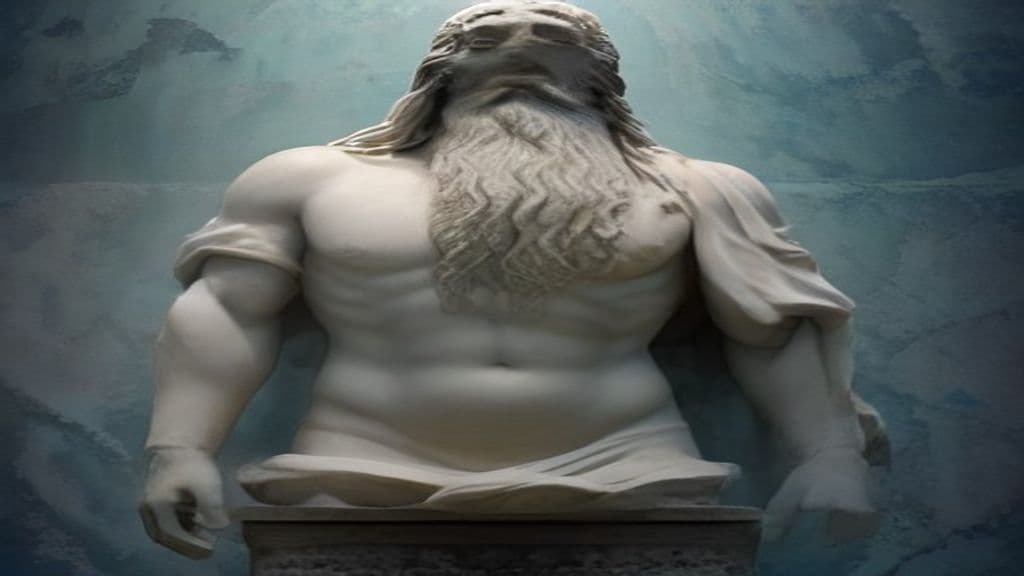
Poseidon
Poseidon is a principal deity of the ancient Greek pantheon, counted among the Twelve Olympians; he presides over the sea, storms, earthquakes and horses and functions as protector of seafarers and guardian of cities and colonies.
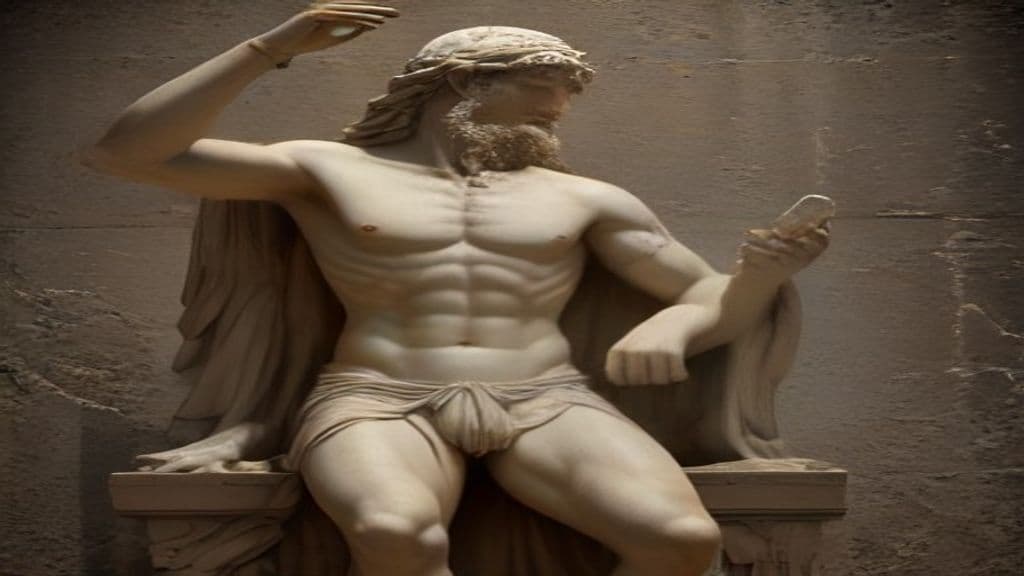
Hermes
Hermes is an Olympian god in ancient Greek religion who functions as the herald of the gods, an intermediary between mortal and divine realms, and a psychopomp guiding souls to the afterlife. He is associated with travel, boundaries, commerce, thieves, oratory, and liminality; in Hellenistic contexts he is syncretized with Egyptian Thoth as Hermes Trismegistus.
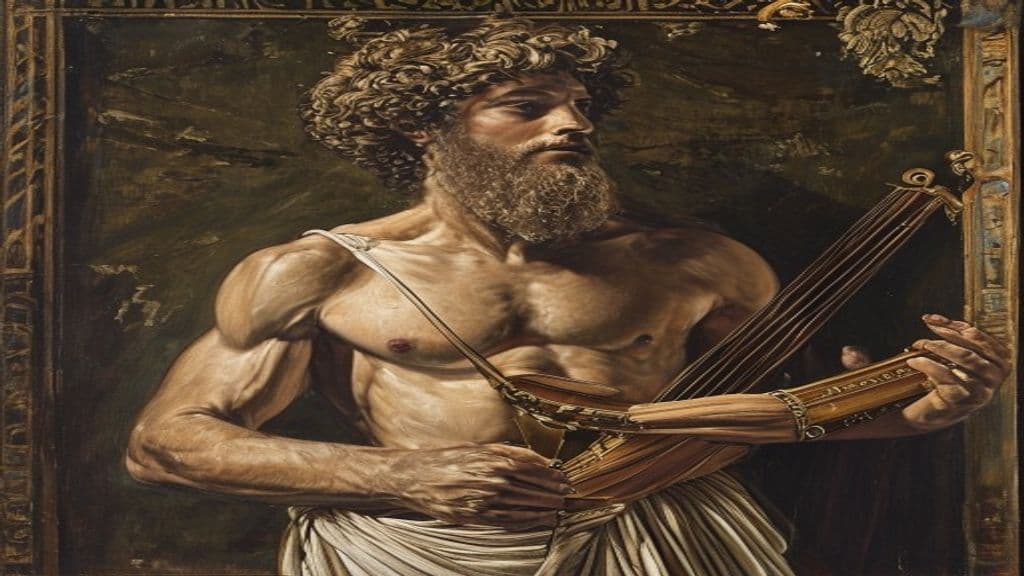
Apollo
Olympian deity of ancient Greek religion associated with prophecy, healing, music, archery, purification, and civic order. Principal patron of the Delphic oracle, protector of youth and flocks, and ambivalently both healer and bringer of plague.
Community Record
- [1]Chione. Wikipedia: Chione (accessed via provided excerpt listing multiple mythological women named Chione)wiki
- [2]Chione (Wikidata). Wikidata entry for Chione (aggregate identifier for name-bearers)other
- [3]LA DONNA E MOBILE (WOMAN IS FICKLE) — archive materials noted in research notes. Archive item listed among sources in research notes (included in provided materials but not a primary mythographic source for Chione)other
- [4]Chione (D&D Fighter OC) — archive listing noted in research notes. Archive item listed among provided sources (not a primary or classical source for the mythic figure)other