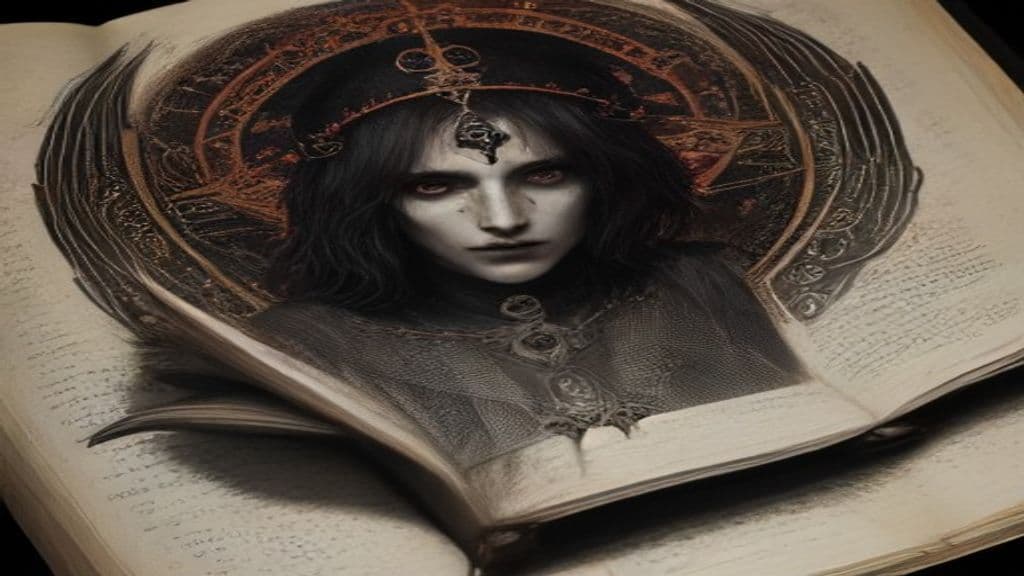
Decarabia appears as an entry in goetic catalogues derived from the Ars Goetia / Lesser Key of Solomon and related lists of spirits (the roster of some 69–72 named entities). The manuscript tradition contains variant spellings (Decarabia, Carabia) and differing attributions of rank and title across editions (e.g., differences between the Lesser Key of Solomon and the Pseudomonarchia Daemonum). The supplied sources do not record a narrative origin or etymology for the name; instead the figure functions within the corpus as one numbered intelligenced to be addressed in ritual.
Primary goetic manuscripts and canonical summaries provided in the sources give little consistent corporeal description for Decarabia; the grimoire-context entries emphasize function and rank rather than a fixed iconography. Later occult commentaries and modern popular-culture adaptations supply varied visualizations — for example some fandom/game sources describe a pentagram-star form or a man on request — but these are derivative reinterpretations rather than direct quotations of original ritual texts. Because manuscript traditions differ and modern treatments diverge, appearance is variable across sources.
Across the supplied sources Decarabia is repeatedly credited with practical, specialist knowledge — notably described as knowing the virtues of all herbs and precious stones — placing him in the common goetic pattern of spirits who provide usable knowledge to petitioners. Many modern summaries also describe him as commanding thirty legions and give him the title of (Great) Marquis; manuscript variants and alternative catalogs differ on title and exact attributions, so such rank is not uniform across all editions. Beyond being solicited for knowledge and services during evocation, the provided materials do not document independent mythic narratives of activity.
Weaknesses
- otherNo specific weaknesses recorded in supplied sources; primary goetic texts and provided commentaries do not enumerate unique vulnerabilities for Decarabia. General risks noted in the ritual context include the usual hazards of evocation (loss of control, wrath of spirits, ritual failure) which the manuals advise guarding against via standard ceremonial safeguards.
Wards
- ritualStandard goetic protective apparatus (ritual circle, banishing rites such as the Lesser Banishing Ritual of the Pentagram, and controlled evocation procedures)
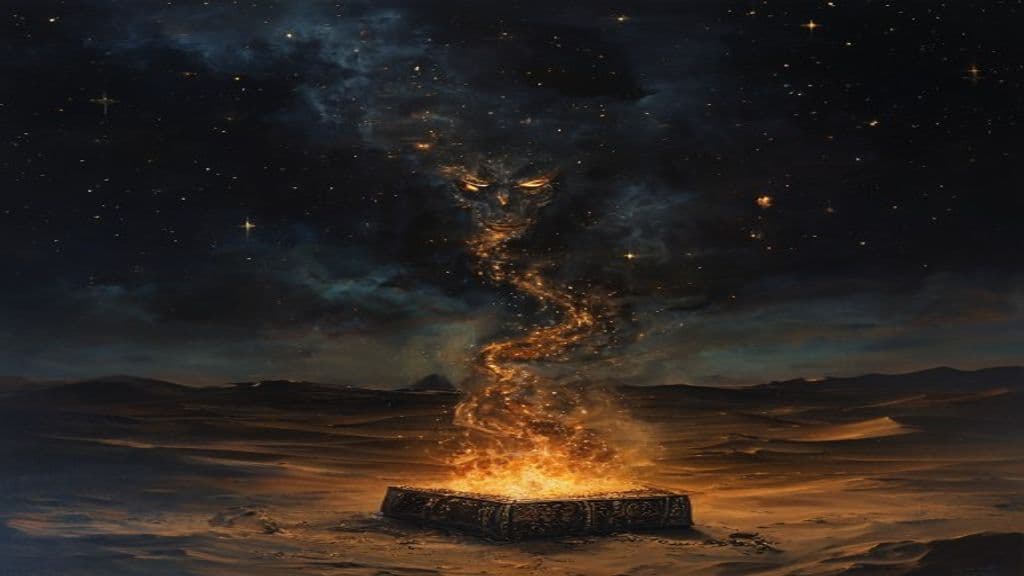
Djinn
The class of supernatural beings created from smokeless fire in Islamic cosmology — a parallel civilization to humanity, capable of belief or unbelief, with their own prophets, society, and judgment before God.
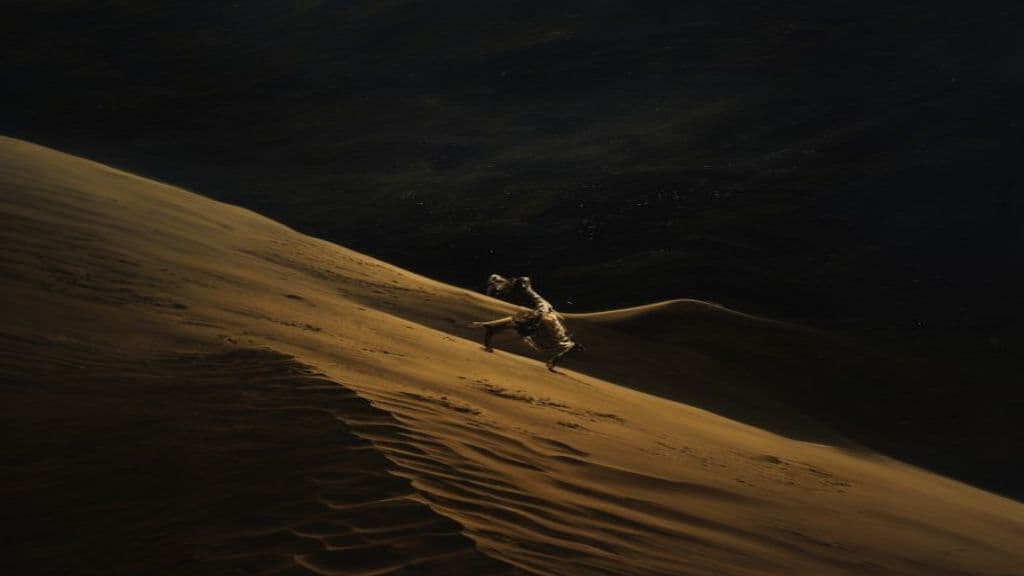
Jann
The weakest class of djinn in Islamic tradition, associated with desert winds and taking the form of snakes or whirlwinds, dwelling in empty wilderness and posing little threat to those who know the proper invocations.
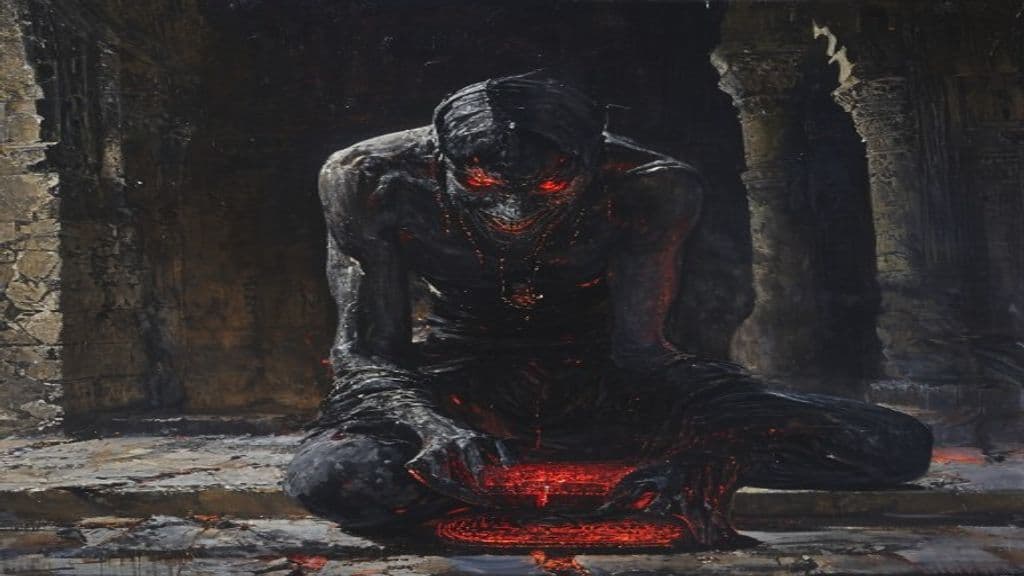
Shaitan
A class of corrupted djinn who follow Iblis and dedicate themselves to leading humans astray — distinct from Iblis himself, the Shayatin are a species of evil djinn who whisper doubts and temptations into the minds of the living.
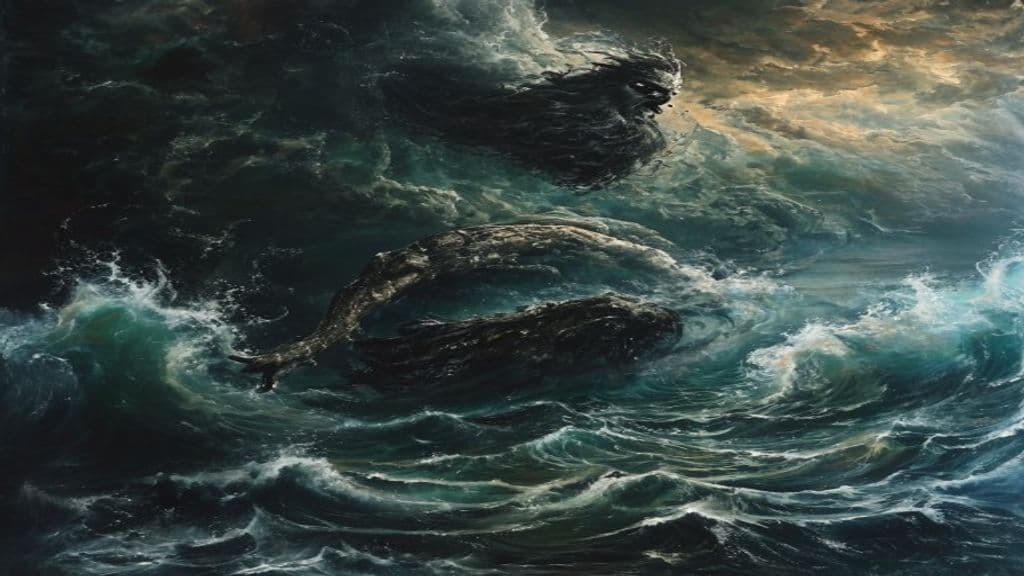
Marid
The most powerful class of jinn in Islamic tradition — beings of the sea, associated with the deep ocean, storms, and the granting of wishes at terrible cost. The classic genie of the Arabian Nights.
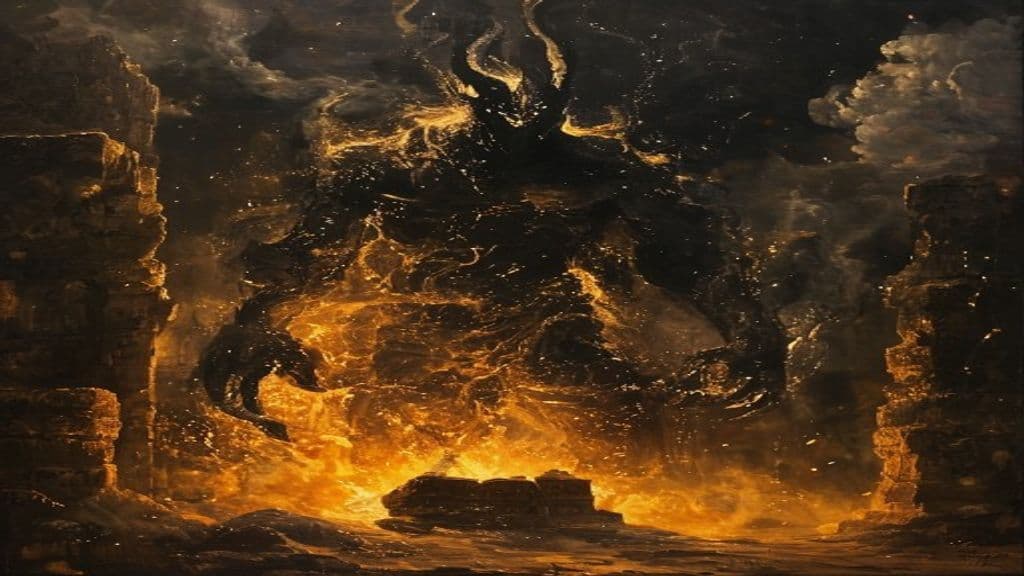
Ifrit
One of the most powerful classes of jinn in Islamic and pre-Islamic Arab tradition — a fire-born being of immense strength and cunning, capable of great works of engineering and terrible violence.
Deathbed phenomena
A cluster of perceptual and experiential events reported around the time of dying, encompassing visual apparitions, sounds, sensed presences, and occasionally veridical elements; interpreted variously as spiritual contact or as neurophysiological/psychological phenomena.
Deathbolt
Deathbolt is a DC Comics supervillain (originally Jake Simmons) who was transformed into an electrical-powered being by experimentation and who later appears as a meta-human antagonist in Arrowverse television adaptations. In comics he was created/used by the Ultra-Humanite to oppose the All-Star Squadron; on television he appears as a plasma-manipulating meta-human detained by S.T.A.R. Labs and encountered by Arrow/Flash characters.
Deathcry (Sharra Neramani)
Deathcry is a fictional Shi'ar warrior figure from Marvel Comics, introduced as an imperial-appointed protector assigned to the Avengers. Presented as a young, avian-like berserker whose true name was taken by royal decree, she appears in storylines involving service among Earth heroes, imprisonment in the Kree Empire, participation in cosmic conflicts, and a return among the dead in the Chaos War event.
Deathlok
Deathlok is a recurring Marvel Comics construct: a human corpse reanimated and integrated with cybernetic technology to function as a weapon or operative. Multiple distinct characters have borne the Deathlok identity; it is treated in-universe as a program/type of cyborg rather than a single immortal individual.
Deathstroke
Deathstroke is the alias of Slade Joseph Wilson, a fictional enhanced human mercenary and former soldier first published as "Deathstroke the Terminator" in DC Comics. Portrayed across modern comic narratives as an extraordinarily skilled tactician, assassin, and occasional antihero, his abilities are attributed to an experimental super-soldier serum in the provided sources.
Deborah
Deborah (Hebrew: דְּבוֹרָה, Dəḇōrā) is a human religious and civic figure in the Hebrew Bible: a prophetess, the fourth judge of pre‑monarchic Israel, and the only female judge mentioned in the Hebrew Bible. She functions as an intermediary who conveys divine command, renders judgment, and participates in liturgical celebration (the Song of Deborah).
Ded Moroz (Grandfather Frost)
Benevolent gift-giving figure in Slavic mythology, similar to Father Christmas and Santa Claus. (Note: 1. Power tier: Should be Ancient (deity-level) given the description in Source 1 that Ded Moroz is a "legendary figure" with roots in Slavic mythology. 2. Summary: Inaccurate, as it compares Ded Moroz)
Deep Sashelas
Deep Sashelas is identified in the provided sources solely as a named fictional character from the Dungeons & Dragons role‑playing game and is categorized as an elf within that fictional tradition. The available citations (Wikidata and a general Wikipedia article on D&D elves) do not supply a distinct biography, description, or deeds for Deep Sashelas beyond this classification.
Defender Strange
A named alternate-universe variant of Doctor Stephen Vincent Strange depicted in contemporary Marvel Cinematic Universe media and merchandise; presented as a magical practitioner who functions as a protector of his Earth/universe against interdimensional and supernatural threats.
Deianira
Deianira is a Calydonian princess in Greek myth, wife of the hero Heracles, whose acceptance of a deceitful 'love‑potion' from the dying centaur Nessus leads inadvertently to Heracles' agonizing death; she is portrayed as a tragic mortal figure in epic and dramatic traditions.
Deildegast
A Norwegian folkloric ghost bound to boundary stones as postmortem punishment for those who moved or tampered with property markers; compelled to attempt to restore displaced stones but never succeeding, it serves as a social deterrent against moving borders.
Deioneus
Deioneus is an ancient Greek personal name borne by several mortal men in mythic genealogies and narratives (kings, princes, fathers, husbands). The name recurs in independent regional traditions (Phocis, Perrhaebia/Thessaly, Oechalia, Megara) and does not denote a single supernatural being.
Community Record
- [1]List of demons in the Ars Goetia (Wikipedia). Wikipedia entry on demons listed in the Ars Goetia, noting manuscript variants and differences in numbering and ranking.wiki
- [2]Decarabia (Wikidata). Wikidata item for Decarabia.wiki
- [3]DECARABIA (Abraxas) - Great Marquis Demons of Hell : The Lesser Key of Solomon (archive). Archive material associated with Lesser Key of Solomon entries for Decarabia / grimoire-derived listings.other
- [4]Aleister Crowley's Illustrated Goetia - DuQuette & Hyatt (archive). DuQuette & Hyatt, Illustrated Goetia — table of contents and chapters referenced for ritual framework and standard protective apparatus.other
- [5]Decarabia | Thelemapedia. Thelemapedia summary entry noting Decarabia's attribute of knowing the virtues of herbs and precious stones and listing within goetic roster.wiki
- [6]Ars Goetia - All The Tropes. Summary note on the Lesser Key of Solomon and the numbered group of spirits (69–72 demons depending on edition).other
- [7]Decarabia | Megami Tensei Wiki (Fandom). Modern popular-culture adaptation describing a pentagram-star appearance and man-form on request; used here only as an example of later derivative iconography rather than primary grimoire text.wiki
- [8]Decarabia Demon Names List (HellHorror). Popular summary list reflecting modern attributions and rankings for Decarabia.other