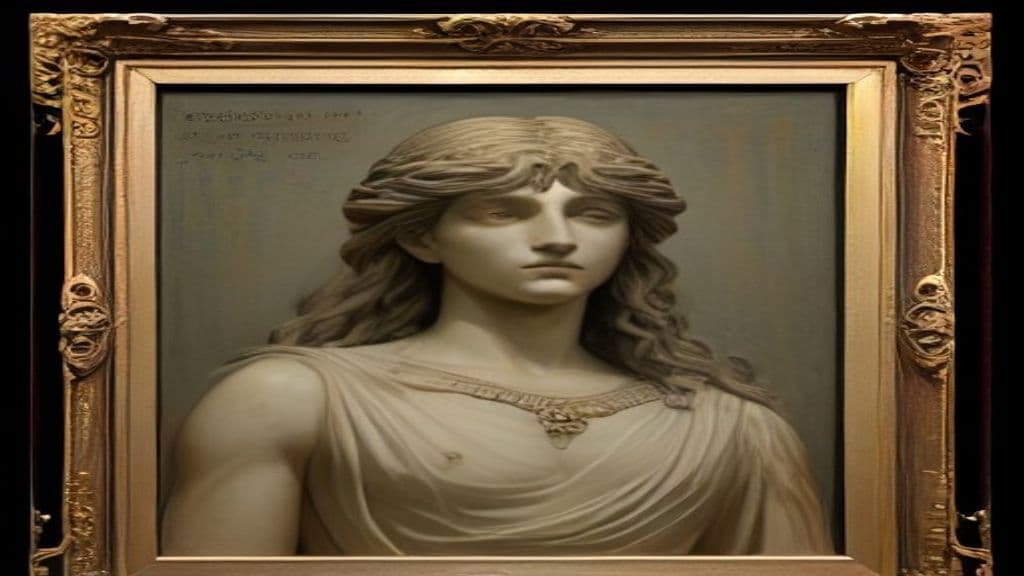
In the Homeric tradition Euphorbus appears as a young Trojan warrior, son of Panthous (and Phrontis in Homer), who fights on the plain of Troy during the events of the Iliad. In the combat sequence surrounding Patroclus’ death (Iliad Books 16–17 as reported by classical commentators), the god Apollo strikes Patroclus first, Euphorbus wounds him second, and Hector deals the fatal blow; Euphorbus is afterward killed by Menelaus during the struggle over Patroclus' body and armor. From the 4th century BCE onward, later authors and anecdotal traditions incorporated Euphorbus into chains of transmigration narratives: he is reported in multiple versions to have been reborn and to have been identified by recognition of a shield dedicated in a temple (accounts differ about whether that dedication was at Argos or Didyma), and some sources report that Pythagoras was claimed to have asserted a previous life as Euphorbus.
Homeric and later descriptions present Euphorbus as a fair, handsome youth notable for his curly hair adorned with precious bindings. Homeric phrasing (as preserved in translations and summaries of Iliad Book 17) compares his hair to that of the Charites and notes it being bound with gold and silver; John Tzetzes is quoted describing him as 'handsome' with 'the loveliest locks among the curly‑haired', braided with gold and other ornaments. The cumulative picture in the sources is of an attractive, richly accoutred Trojan youth.
In primary epic material Euphorbus possesses no supernatural powers: he is a mortal combatant whose chief recorded action is wounding Patroclus prior to Patroclus’ death and then being slain by Menelaus in the contest over the fallen hero's armour. In later classical anecdote Euphorbus functions as a named past life within transmigration stories (a narrative identity rather than an active supernatural ability); these accounts report recognition of his former shield in a temple as evidence of continuity of identity across lives.
Weaknesses
- conditionmortality (was killed in combat by Menelaus)
Wards
None recorded.

Antenor
Antenor is a Trojan elder and counsellor in the epic tradition of the Trojan War. Portrayed in Homeric passages and later literature as a prudent diplomat and host, he advocates negotiation (notably advising the return of Helen) and participates in Trojan public councils and hospitable rites.
Asteropaios
Asteropaios is a named Homeric Paeonian leader and warrior in the Iliad, grandson of the river-god Axios (son of Pelagon), noted for ambidexterity (throwing two spears at once), who wounds Achilles' forearm before being slain and whose arms are later awarded as prizes at Patroclus' funeral games.
Automedon
Automedon (Ancient Greek Αὐτομέδων) is a named mortal charioteer in the Homeric epic tradition, best known as the trusted driver of Achilles who manages the immortal horses Balius and Xanthos and acts as a combatant in episodes of the Iliad. He appears in scenes surrounding Patroclus' death and in later Roman reference (Virgil's Aeneid).
Axylus
Axylus (Ancient Greek: Ἄξυλος) is a Trojan warrior featured in Homer's Iliad (Book VI). Portrayed as a wealthy and hospitable man from Arisbe, he is slain in battle by the Greek warrior Diomedes, a brief episode used by Homer to underscore themes of hospitality, mortality, and the costs of war.
Calesius
Calesius (Greek Καλήσιος) is a minor human figure in the Homeric epic: the attendant and charioteer of Axylus who is killed alongside his master on the Trojan battlefield in Book VI of the Iliad. He appears as a named mortal illustrative of loyalty and the human cost of war, with no supernatural attributes in the cited sources.
Cicones
The Cicones (Greek Κίκονες, Latinized Cicones or Ciconians) are a Homeric Thracian tribe associated with the town of Ismarus (Ismara) on the south coast of Thrace. In epic sources they appear as a martial human people who repel Odysseus' raiders after the sack of Ismarus (Odyssey Book IX) and are listed among allies in the Iliad; they are treated as a human ethnic/political group rather than as supernatural beings.
Dardanians (Trojan)
A named human people or subgroup in the Homeric Trojan tradition, repeatedly distinguished from the Trojans in epic formulae (e.g., the Iliad). Later Roman poets and classical writers used the ethnonym in genealogical and territorial discourse (Dardania, Dardanus).
Demoptolemus
Demoptolemus (Ancient Greek: Δημοπτόλεμος) is a mortal figure named among the suitors of Penelope in the Homeric epic tradition. He is listed as one of the suitors present in Odysseus’s hall and is reported in the narrative tradition to have been killed during Odysseus’s slaughter of the suitors (Odyssey Book XXII).
Eurycleia
Eurycleia is a mortal household nurse and longtime attendant in the Homeric tradition, famed as the wet-nurse of Odysseus and a trusted domestic figure who recognizes Odysseus on his return by a scar and keeps his secret. She functions as an intimate caregiver, keeper of household memory, and an agent of domestic authority within Odysseus's household in Ithaca.
Eurycleia of Ithaca
Eurycleia is the aged wet-nurse and long-serving household attendant of Odysseus in the Homeric tradition. Portrayed as a loyal, discreet domestic servant, she functions as caretaker, keeper of household secrets, and intermediary within Odysseus's oikos on Ithaca rather than as a supernatural being.
Laertes
Laertes is the mortal father of Odysseus in the Homeric tradition, an aged Ithacan farmer/retired king who embodies ancestral authority, patronymic identity (Odysseus = Laertiades), and appears in the Odyssey's recognition and post-suitors conflict scenes.
Meriones
Meriones is a mortal Cretan hero of the Trojan War cycle in Greek epic tradition, known as a skilled warrior, charioteer and companion of Idomeneus. He appears in Homeric rosters and narratives (notably the Iliad) and was traditionally associated with a hero-tomb and local cult at Knossos (Cnosus).
Community Record
- [1]Euphorbus — Wikipedia. Wikipedia: 'Euphorbus' article (summary of Homeric and later traditions)wiki
- [2]The Iliad by Homer — Book 17 (online translations and editions). Homer, Iliad Book 17 (translations and online editions referenced in source notes)literary
- [3]The Iliad, Book XVII — Poetry in Translation. Translation of Iliad Book 17 (used for narrative of Euphorbus wounding Patroclus and subsequent death)literary
- [4]John Tzetzes on Euphorbus (as summarized). Summary citing John Tzetzes' description of Euphorbus' appearance (loveliest locks braided with gold)literary
- [5]Succinct summaries and modern commentaries (mythweb, sentential antiquae, archive links). Modern summaries and translations referenced in source notes concerning the Iliad episode and later receptionother
- [6]Classical anecdote summaries (Diogenes Laërtius, Aulus Gellius, Ovid as reported). Wikipedia summary reporting later traditions that link Euphorbus to transmigration anecdotes and the shield‑recognition stories (accounts attributed to Diogenes Laërtius, Aulus Gellius, Ovid, Heraclides, Pausanias variants)literary