The name Geraint is a Welsh form of the Latin Gerontius (literally 'old man'), but the literary and historical record attaches it to multiple human figures across centuries. In early Welsh heroic poetry a 'Geraint of the South' appears among the warriors at the Battle of Catraeth (circa 600) in Y Gododdin. A later poem, 'Geraint son of Erbin', celebrates deeds at the Battle of Llongborth; scholars debate whether the poem commemorates an early figure or was later associated with a historical king of Dumnonia who died in 710. In medieval romance Geraint becomes the protagonist of the Welsh tale Geraint and Enid (paralleling Chrétien de Troyes's Erec), reworking him into a courtly knight. In hagiographical tradition the vita of Saint Teilo records a King Geraint of Dumnonia who hospitably received Teilo during the flight from plague (dated 549 in that vita) and later received Teilo's pastoral assistance at death, a conjunction that underpins a local saintly cult and feast observances (feast day given as 10 August; festival at Gerrans in August).
The sources supply no sustained physical description. In poetic and heroic contexts Geraint is identified by social and narrative roles (warrior, 'Geraint son of Erbin', 'Geraint of the South') rather than bodily detail. In the Arthurian romance he is portrayed as a courtly knight and husband (the behavior and actions of a chivalric protagonist), while in the vita he appears as a Christian king performing royal hospitality. Manuscript and narrative treatments thus present him via genre-specific dress and comportment (warrior gear in praise-poems, knightly trappings in romance, regal insignia in hagiography), but no source in the provided material lists concrete physical features, clothing, or heraldic devices.
No supernatural powers are recorded in the provided materials. Geraint's notable capacities are human: celebrated martial prowess and leadership in battle (Y Gododdin; 'Geraint son of Erbin'), competence as an Arthurian knight and courtly husband in Geraint and Enid, and royal authority and hospitality in the vita of Saint Teilo. In the hagiographical context his reception of clerical last rites links him to sanctity in local cultic memory, but this is presented as the effect of ecclesiastical action rather than an innate supernatural faculty.
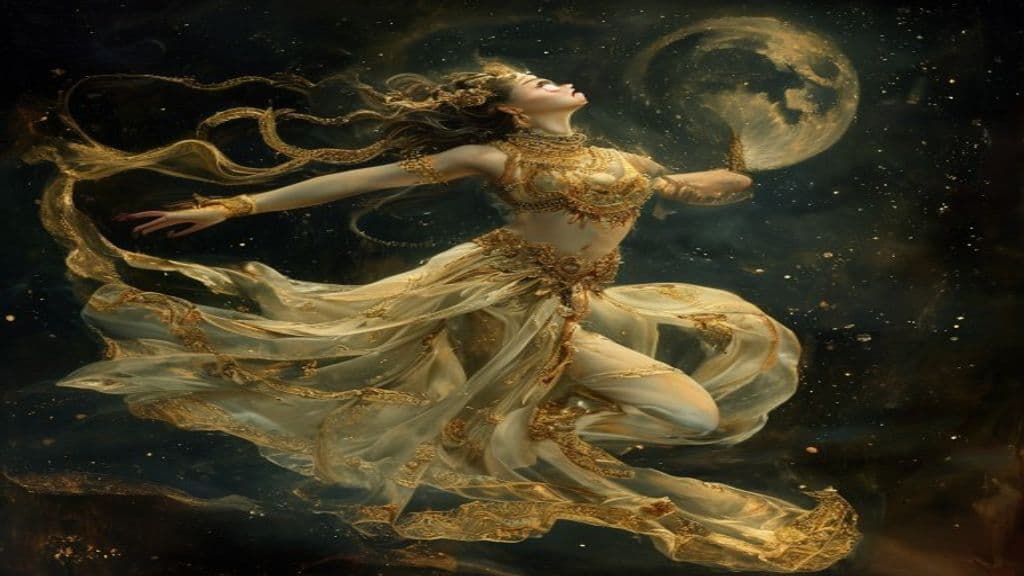
Apsara
Celestial dancers and water nymphs of Hindu cosmology — beautiful semi-divine beings who dance at the court of Indra and, by his command, descend to earth to distract sages from excessive asceticism.
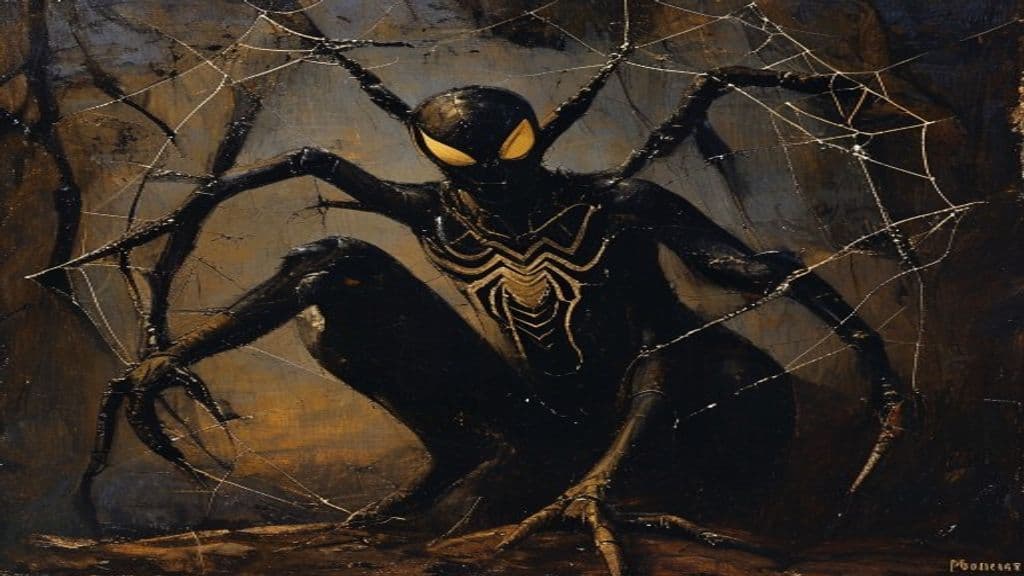
Anansi
The spider trickster god of Akan folklore — cunning, mischievous, and wise. Keeper of stories and teacher of human beings, brought through the slave trade into Caribbean and African-American tradition.
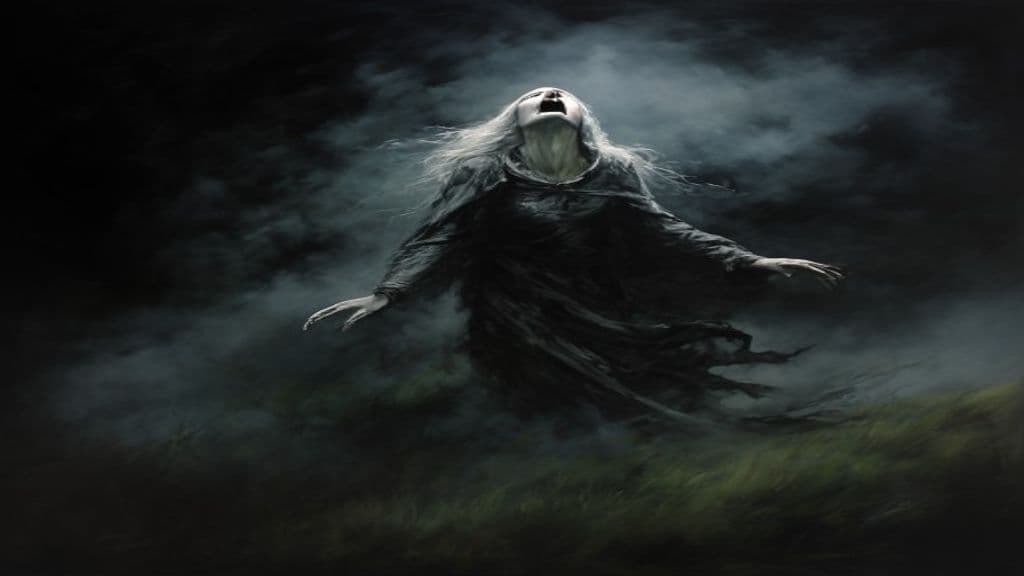
Banshee
A female spirit of Irish and Scottish folklore whose wail heralds an impending death in a family of Gaelic descent. Not a cause of death — a witness to it.
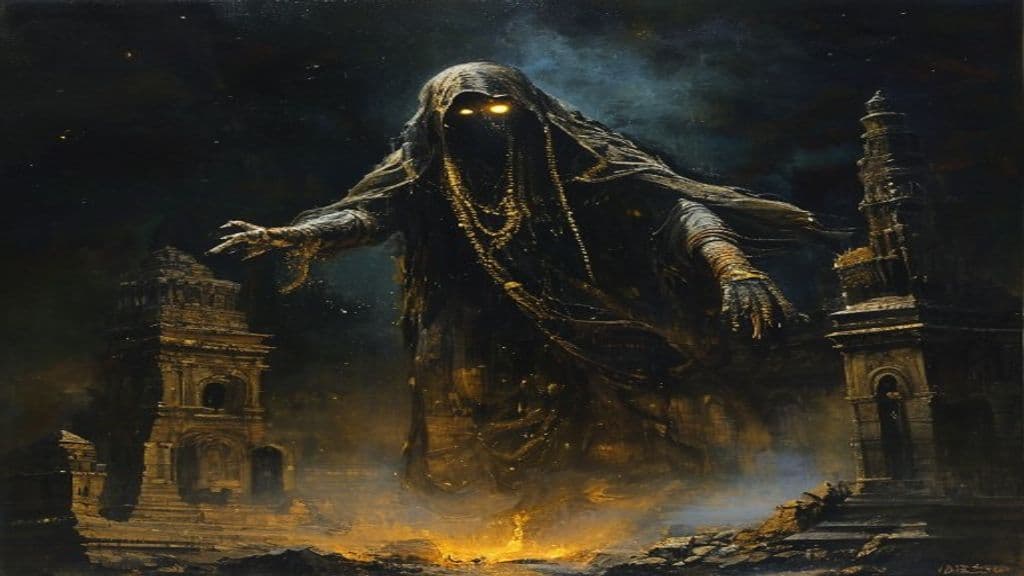
Brahmarakshas
The most learned and terrible of spirits — the ghost of a Brahmin who misused his scriptural knowledge in life and was condemned after death to be both demon and scholar, haunting places of learning.
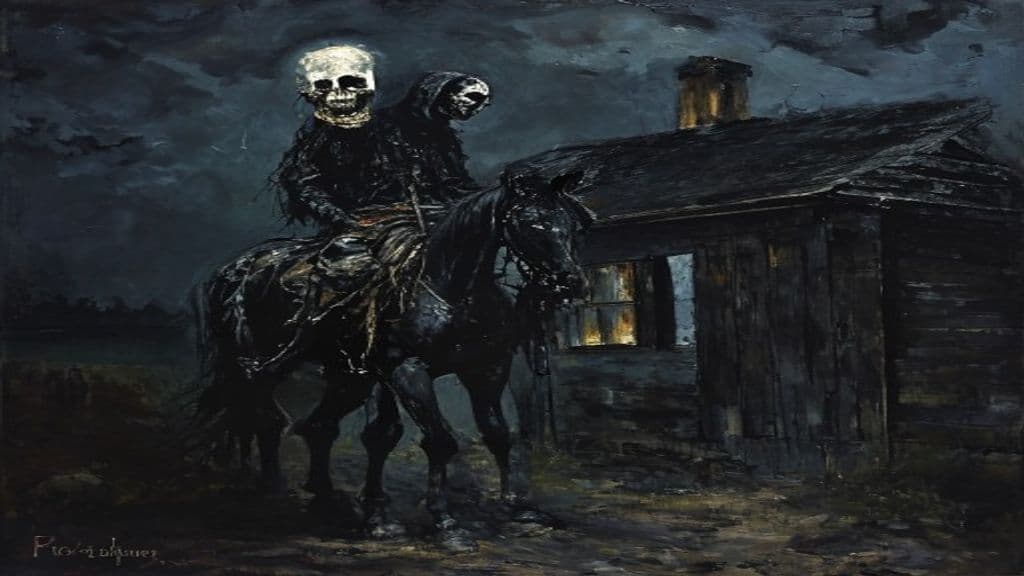
Dullahan
The headless horseman of Irish legend who carries his own rotting head under one arm, stops at the door of those about to die, and cannot be kept out by any lock.
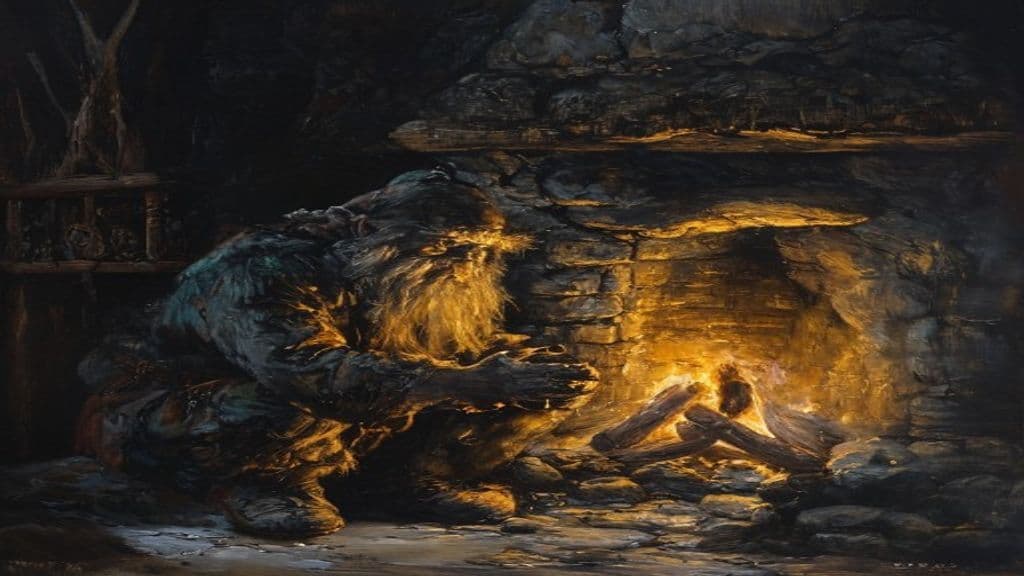
Domovoi
The house spirit of Slavic tradition — a small, invisible guardian of the home bound to a specific dwelling and its family. Protective when respected; dangerous when insulted or forgotten.
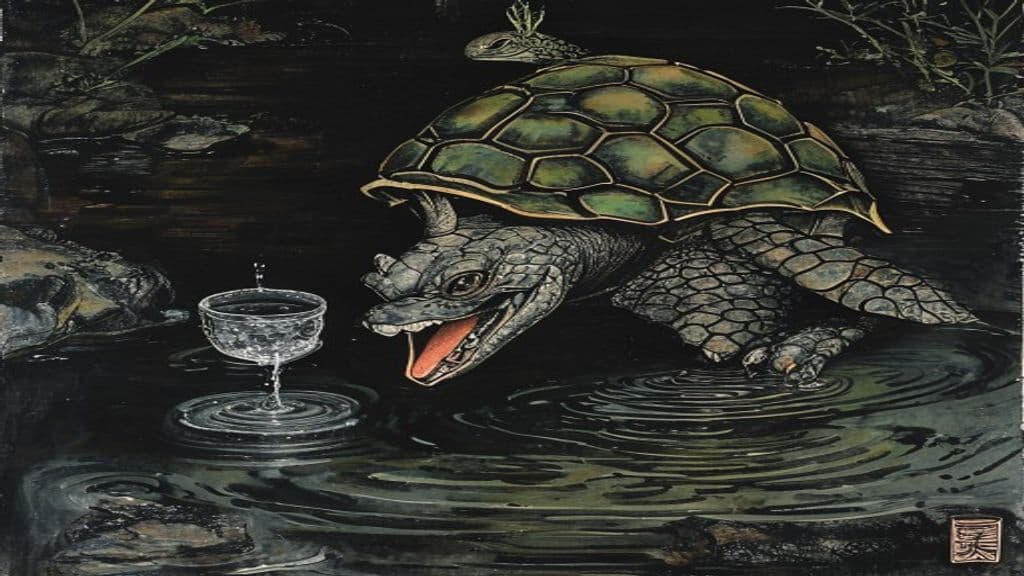
Kappa
A water-dwelling imp of Japanese folklore with a bowl of water on its head. Mischievous but bound by strict codes of politeness; dangerous near rivers.
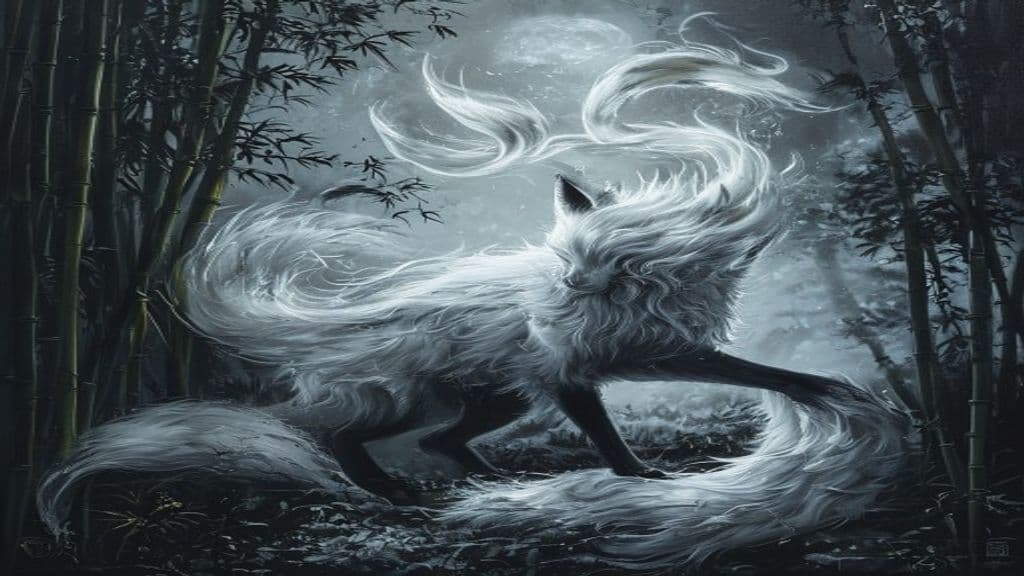
Kitsune
Fox spirits of Japanese mythology — intelligent, long-lived beings who gain additional tails (up to nine) as they age and grow in power. They serve as messengers of the god Inari and as powerful tricksters.
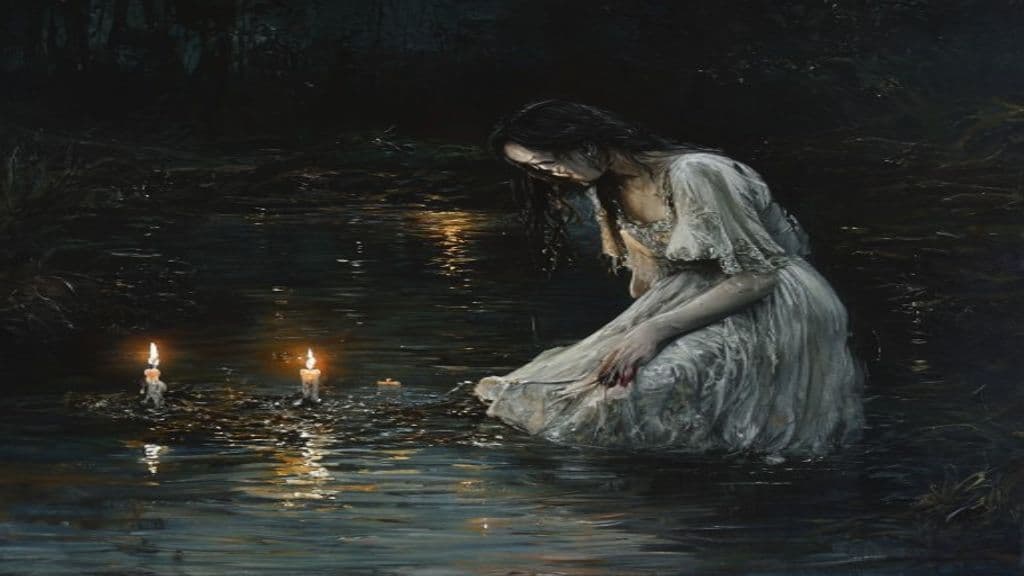
La Llorona
The Weeping Woman of Mexican folklore — the ghost of a mother who drowned her children and now wanders rivers and lakes, weeping for them and taking other children she finds at night.
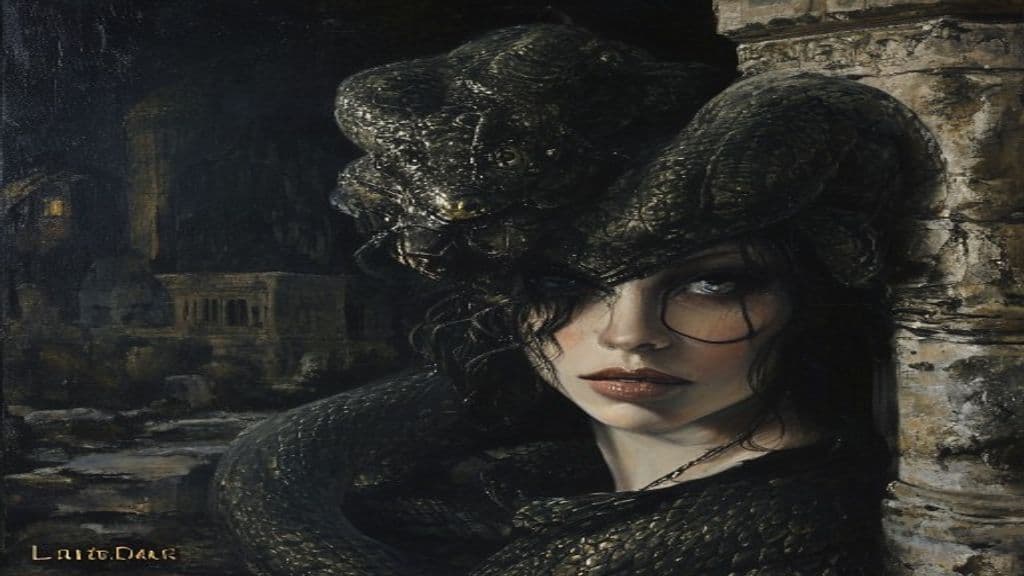
Lamia
A child-devouring demon of Greek mythology — once a queen of Libya and lover of Zeus, driven mad by Hera's destruction of her children and transformed into a monstrous hunter of other women's children.
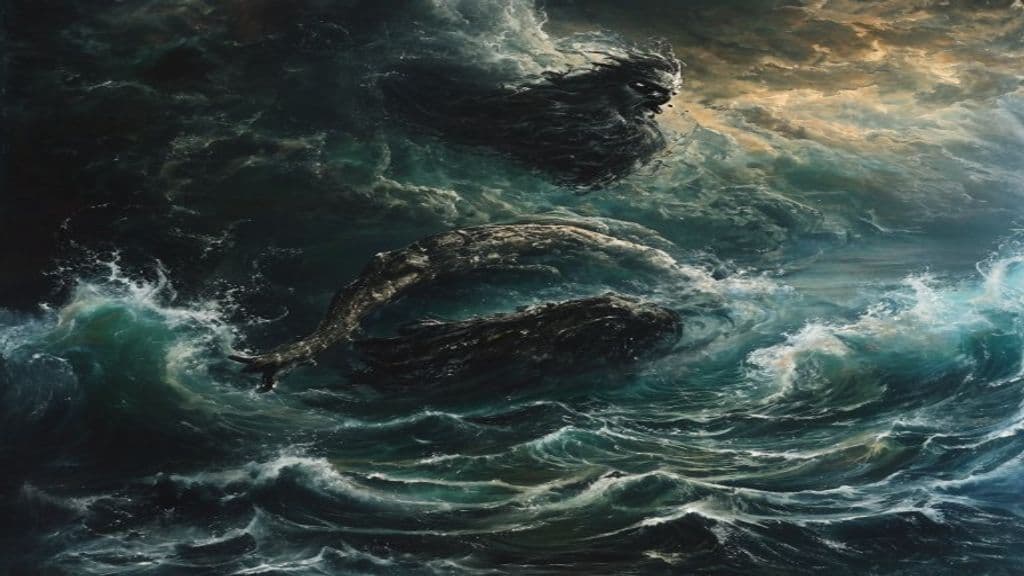
Marid
The most powerful class of jinn in Islamic tradition — beings of the sea, associated with the deep ocean, storms, and the granting of wishes at terrible cost. The classic genie of the Arabian Nights.
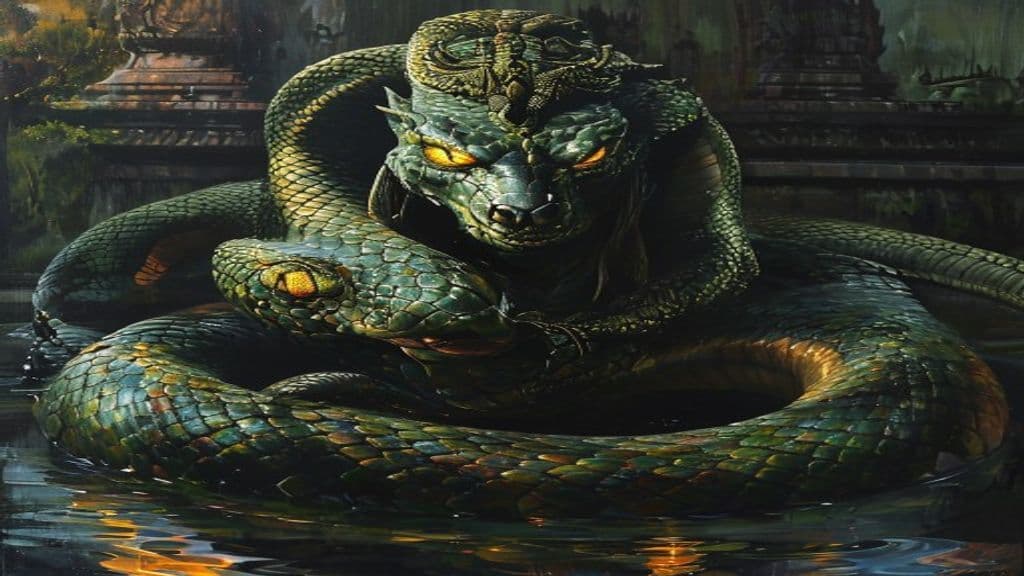
Naga
Divine serpent beings of Hindu, Buddhist, and Jain cosmology — powerful guardians of water, earth, and underground treasures. Revered as deities in South and Southeast Asia.
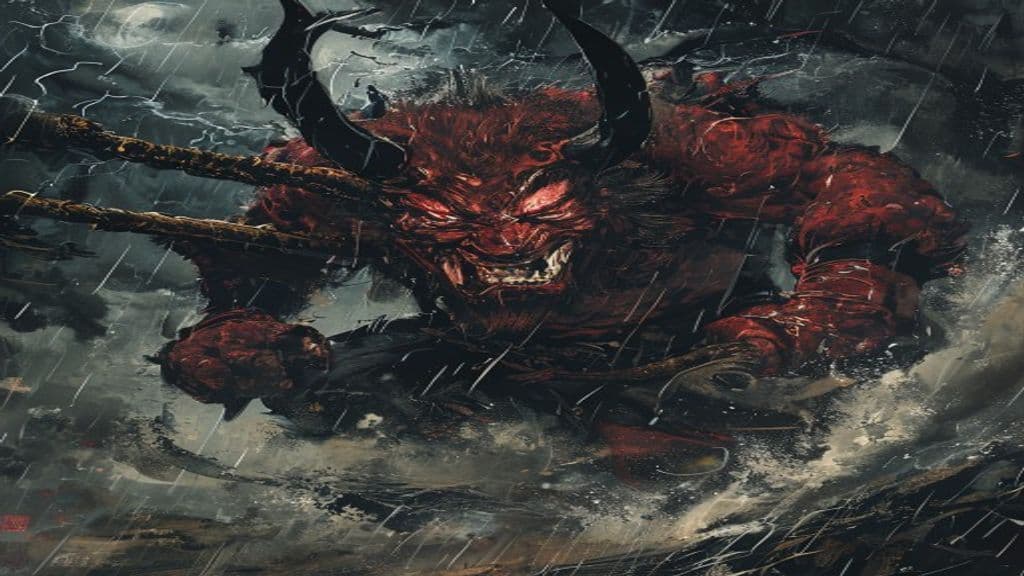
Oni
Powerful supernatural beings of Japanese folklore — associated with misfortune, disease, and the punishment of sinners in hell. Fearsome, often depicted as guardians of the underworld.
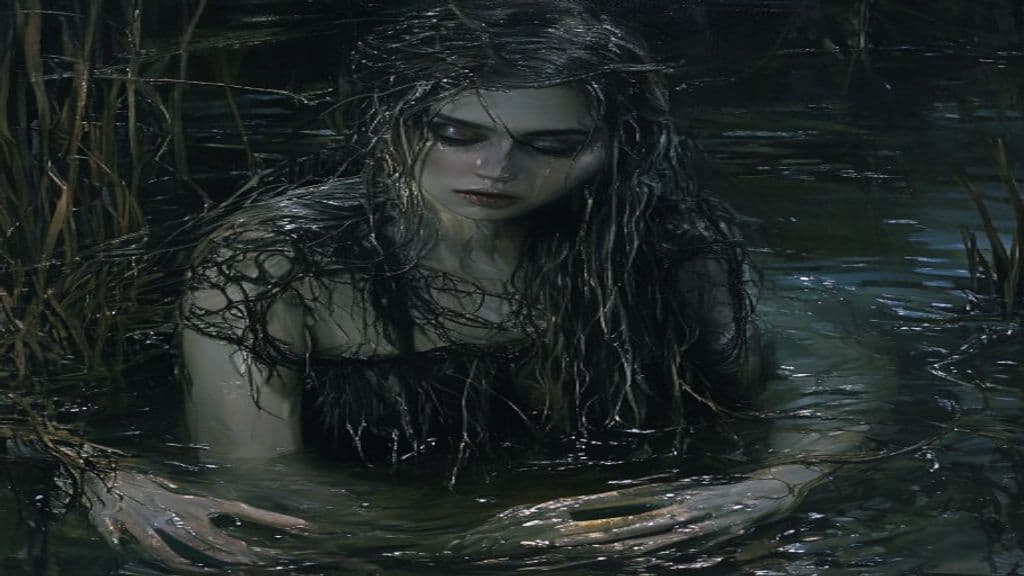
Rusalka
Water spirits in Slavic folklore — the spirits of young women who died by drowning or suicide, bound to rivers and lakes. Beautiful and dangerous, they can bewitch men to their deaths.
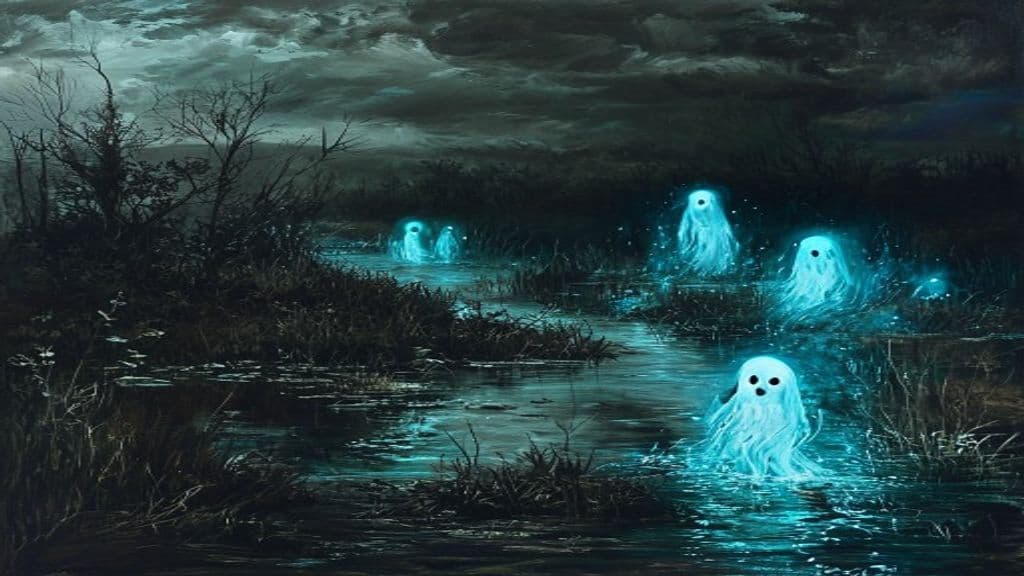
Will-o'-the-Wisp
A wandering light seen over marshy ground at night, leading travellers astray into bogs and fens. Possibly a spirit, possibly the soul of the unbaptised dead, possibly the devil himself.
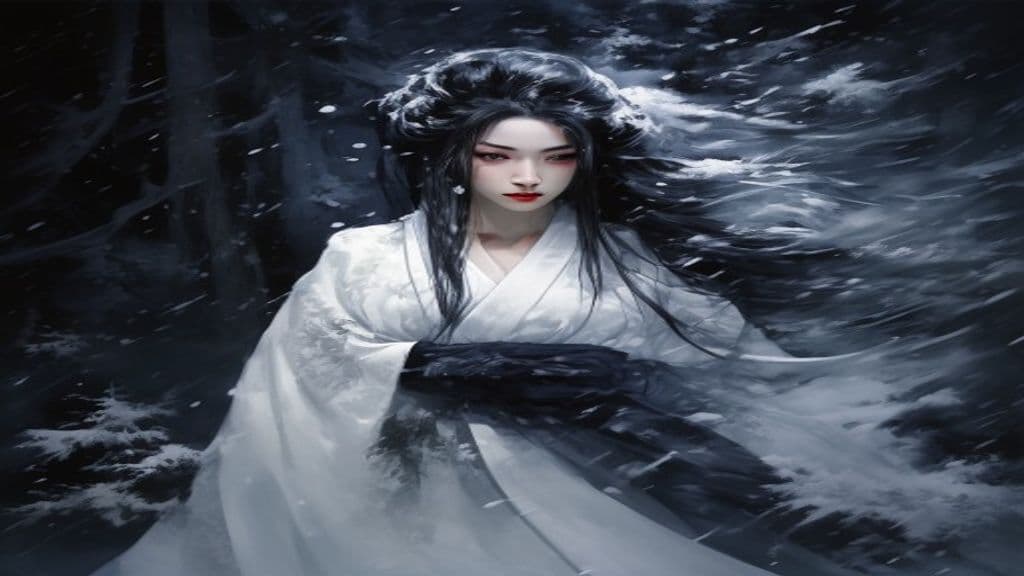
Yuki-onna
The Snow Woman of Japanese folklore — a spirit born of blizzards who appears to travelers lost in snowstorms. Beautiful and lethal, she can show mercy or bring death depending on her mood.
Community Record
- [1]Geraint — Wikipedia. Wikipedia: Geraintwiki
- [2]Wikidata: Geraint. Wikidata entry Q21018632other