Hipponous is not presented in the sources as originating as a single mythic entity; rather, the form Ἱππόνοος appears repeatedly as the personal name of several mortal figures woven into Greek heroic genealogies and epic episodes. The name occurs in lists and narratives that form part of the epic-age tableau: an Olenian father of Capaneus and Periboea (genealogical listing), one of the fifty sons of Priam associated with the Trojan War (epic roster), an Achaean warrior slain by Hector in battle (Iliadic context), a son of Triballus and father of Polyphonte (genealogy), a man who with his father—descended from Adrastus—threw themselves into fire in obedience to an oracle of Apollo (oracle-driven familial episode), and as the birth-name of the hero later famed as Bellerophon (name-change attestation). These attestations derive from modern summaries and compilations of the classical record (see sources).
The sources do not provide a consistent physical or iconographic description for 'Hipponous' because the name designates multiple mortal figures rather than a single creature. In context, bearers of the name are described by role—prince, warrior, father—so they appear in sources as ordinary heroic-age humans: combatants on the battlefield, genealogical ancestors, or petitioners obeying an oracle. No distinct supernatural or visual attributes are attributed to the name in the cited materials.
No supernatural abilities are ascribed to Hipponous in the provided materials. The actions recorded for individuals with the name are mortal and narrative: parenthood (e.g., father of Capaneus and Periboea; father of Polyphonte), participation in warfare (a Trojan prince among Priam's sons; an Achaean warrior killed by Hector), obedience to an Apollo oracle culminating in self-immolation with his father, and the status of being the birth-name of the hero later known as Bellerophon (the sources that identify Hipponous as Bellerophon's birth-name do not attribute Bellerophon's later legendary feats directly to the name-bearer in these excerpts).
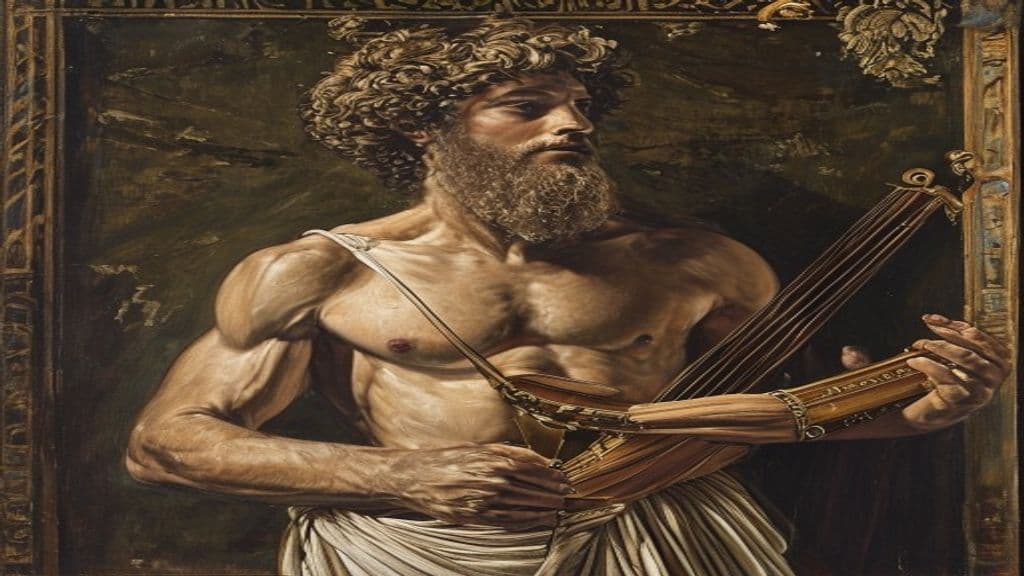
Apollo
Olympian deity of ancient Greek religion associated with prophecy, healing, music, archery, purification, and civic order. Principal patron of the Delphic oracle, protector of youth and flocks, and ambivalently both healer and bringer of plague.
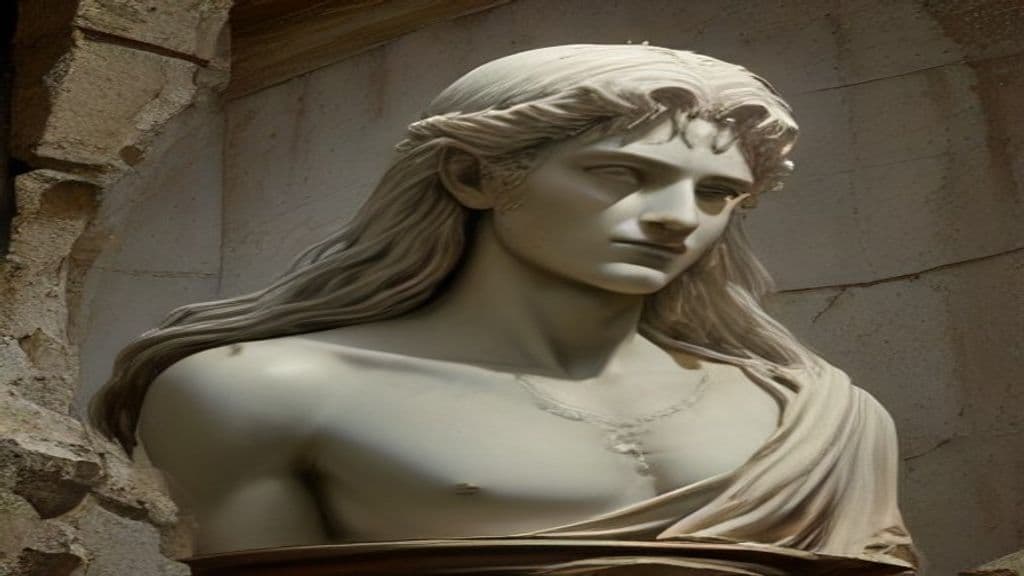
Adrastus
Adrastus (Ancient Greek: Ἄδραστος or Ἄδρηστος) is a legendary king of Argos in the Greek mythic-historical tradition, best known as the leader of the expedition of the Seven against Thebes and as a figure tied to oracular counsel, dynastic marriages, and local hero cults.

Achilles
A legendary Greek heroic figure of epic poetry, son of the sea‑nymph Thetis and the mortal Peleus, celebrated as the greatest of the Greek warriors at Troy whose anger and fate shape events in the Trojan War cycle.
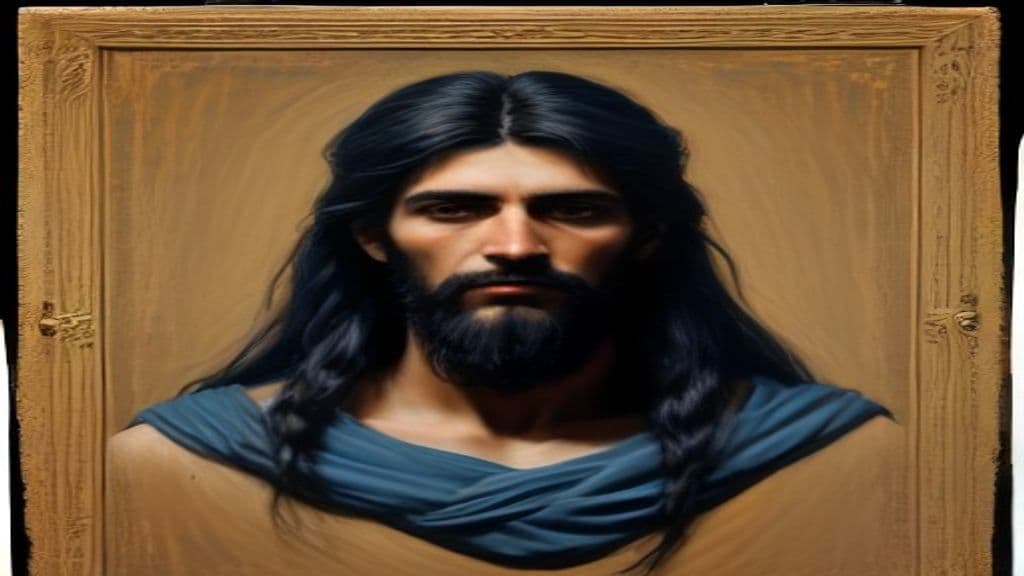
Hector
Hector is a Trojan prince and the foremost warrior of Troy in the Homeric Iliad, celebrated as a devoted husband, father, son, and defender of his city. Portrayed as exemplary in duty and martial skill, his mortal fate is shaped by combat, family obligations, and the interventions of gods.
Community Record
- [1]Hipponous - Wikipedia. Wikipedia, entry 'Hipponous' (summary of multiple figures named Hipponous)wiki
- [2]Bellerophon - Wikidata. Wikidata entry for Bellerophon (notes Bellerophon rode Pegasus and killed the Chimera; supports identification of Hipponous as Bellerophon's birth-name in tradition)other
- [3]LP0062 Jocastas Children (Archive.org recording of classical library passages). Archive.org recording referencing Apollodorus and related mythic genealogies (background material cited in provided notes)other