Hodites does not have a unified origin story in the attested materials. Rather, the name appears episodically in different narrative and genealogical contexts within Greek mythic literature and modern summaries of those traditions. One attestation names Hodites among the centaurs present at the wedding of Pirithous and Hippodamia; another names a Hodites killed by Clymenus in the battle between Perseus and Phineus; and a third occurrence is an alternate reading in a genealogical list where Diodorus Siculus (as cited in secondary sources) uses Hodites for one of the sons of Heracles and Deianeira instead of the name Oneites. The sources do not present a single life‑history, creation tale, or mythic genealogy that unifies these occurrences into one individual.
Primary texts supplied in the sources give no detailed physical description of Hodites. In the instance described as a centaur, the label implies the conventional centaur form known in Greek art and myth (a being combining a human upper body with a horse's hindquarters), but the cited narratives and summaries do not supply a specific, individuating description of Hodites' features. The other attestations (the combatant slain by Clymenus and the son of Heracles) are recorded only by name in lists or battle accounts and lack physical detail in the provided materials.
The sources do not ascribe any innate supernatural powers, recurring abilities, or distinctive behavioral patterns to Hodites. What is recorded are isolated narrative actions: as a centaur Hodites is listed among those who fought at the wedding of Pirithous and Hippodamia and is said in summaries to have been killed by Mopsus; in another episode a Hodites is named among those slain by Clymenus in the battle between Perseus and Phineus; and in a genealogical tradition the name is used as that of a son of Heracles and Deianeira. Beyond these episodic participations, no supernatural capabilities or habitual behaviors are attested in the provided sources.
Weaknesses
- othernone attested
Wards
- othernone attested
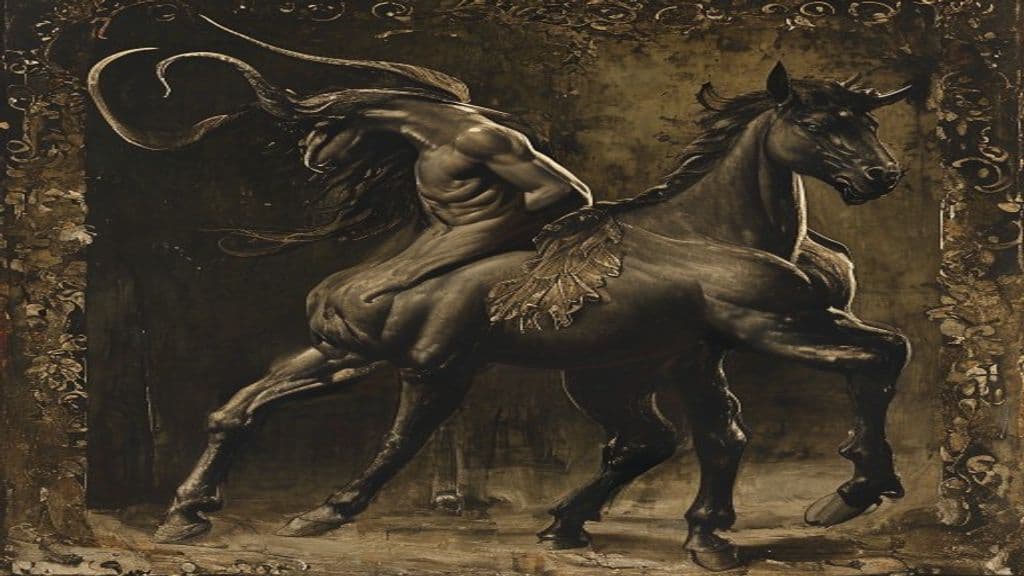
Centaur
A mythic hybrid from ancient Greek tradition with the upper body of a human and the lower body and legs of a horse. Centaurs appear as a tribal population associated with mountainous and wooded regions of Greece and embody tensions between human social order and untamed nature.
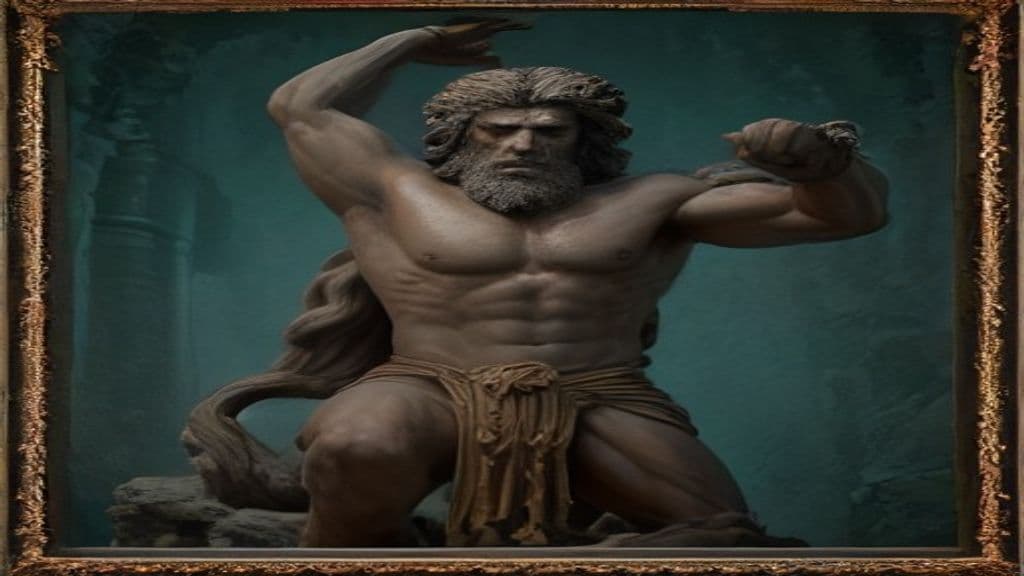
Heracles
Heracles is the greatest hero of Greek myth whose career bridges mortal hero-cult and full divinization. Celebrated for his Twelve Labours, martial prowess, and travels between the mortal world, the underworld, and Olympus, he functioned as a civic patron, ancestor of royal lines (the Heracleidae), and object of cult that treated him both as chthonic hero and as god.
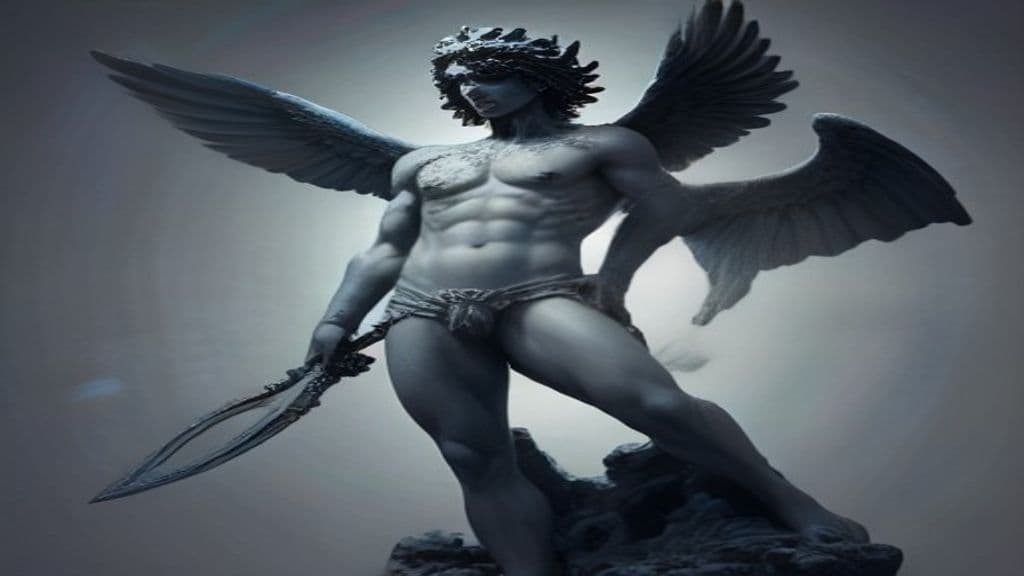
Perseus
Perseus is a legendary hero of ancient Greek myth, a mortal son of Zeus and Danaë famed as a slayer of monsters and founder of the Perseid dynasty; his narrative emphasizes divine intervention (gifts from Hermes, Athena, and Hades), heroic cunning, and eventual placement among the stars as a constellation.
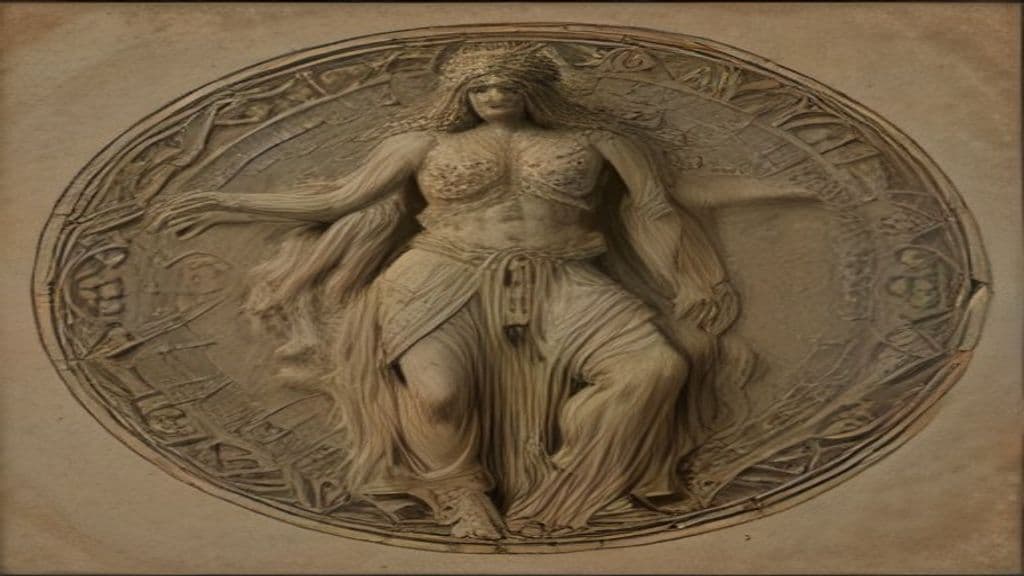
Mopsus
Mopsus is a legendary seer of the Graeco-Anatolian tradition known from archaic Greek poetry and later Anatolian and Phoenician inscriptions. He appears in myth as a prophetic figure—sometimes son of Manto or of Apollo—and in epigraphic records as an eponymous ancestor (Muksa/Muksos) connected to early Iron Age dynastic houses in southern Anatolia.
Community Record
- [1]Hodites — Wikipedia. Wikipedia contributors, 'Hodites', Wikipedia, https://en.wikipedia.org/wiki/Hoditeswiki
- [2]Hodites (fly) — Wikipedia / Wikidata entries (homonym). Wikidata/Wikipedia entries noting modern taxonomic uses of the string 'Hodites', https://www.wikidata.org/entity/Q18108684 and https://en.wikipedia.org/wiki/Hodites_(fly)other
- [3]ToposText: Person entry (centaur/battle lists). ToposText person entry for name attestations, https://topostext.org/people/19052literary
- [4]ToposText: Person entry (genealogical lists). ToposText person entry for variant genealogical readings, https://topostext.org/people/7772literary
- [5]Greek Legends and Myths: Mopsus (Argonaut) — popular retelling. Popular secondary retelling noting Mopsus killing the centaur Hodites at the Pirithous–Hippodamia wedding, 'Mopsus (Argonaut) in Greek Mythology', GreekLegendsandMyths.comfolk
- [6]Diodorus Siculus (citation in secondary sources regarding genealogical reading). Diodorus Siculus as cited in modern summaries where Hodites appears as an alternate reading for a son of Heracles and Deianeira (see ToposText entry)literary
- [7]Fossiilid.info — Peelerophon hodites (homonymous fossil name). Fossil taxon entry 'Peelerophon hodites' showing modern homonymous usage, https://fossiilid.info/18743other
- [8]JHR articles referencing species epithets using 'hodites' (homonymy in entomology). Journal of Hymenoptera Research articles noting modern taxonomic names that include 'hodites', https://jhr.pensoft.net/issue/1654/pdf/823691other
- [9]The National Archives accession summary (modern surname/file 'Hodites'). The National Archives accession listing referencing 'Whall, Hodites', https://www.nationalarchives.gov.uk/accessions/1994/94returns/94ac152.htmother