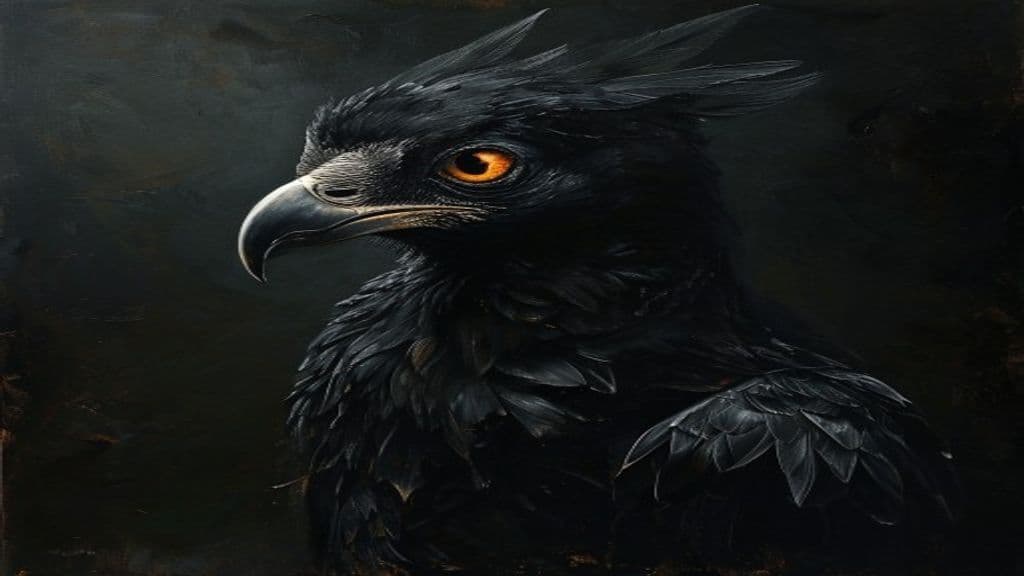
No specific origin story mentioned in source material.
Described as having the physical appearance of a bird but with a human face, with varying sex. Most are female, while some are male.
No specific abilities or behaviors mentioned in source material.
Weaknesses
None recorded.
Wards
- UnknownUnknown
Arang (Korean folklore)
Vengeful spirit driven by a desire for justice in Korean folklore, particularly during the Joseon Dynasty. (Note: 1. Power tier should be Primordial since it is described as having a cosmic level of influence in causing fear among magistrates. 2. The description for weaknesses is missing; add that Arang's weaknes)
Dokkaebi
Dokkaebi (도깨비) are legendary supernatural beings in Korean folklore associated with nature, household objects, and trickster behavior; they can be mischievous or benevolent, rewarding virtue and punishing greed in folktales.
Goryeo Supernatural Ancestor
A supernatural entity credited with uniting the Korean Peninsula and founding the Goryeo dynasty. (Note: 1. Remove "Primordial" power tier as it implies cosmic-level abilities, which is not supported by the source material that only mentions unification. 2. Add a statement about unknown weaknesses and wa)
Gumiho (Nine‑tailed fox)
A fox‑spirit in Korean storytelling derived from wider East Asian nine‑tailed‑fox motifs. Traditionally depicted as a shapeshifting fox that can take human form (commonly female in many stories), the gumiho appears across older folktales and numerous contemporary Korean media where it functions variously as trickster, predator, or sympathetic protagonist.
Gwisin
In Korean folklore, gwisin are spirits or ghosts that are humans who have died. Sources describe the term as a class of departed-human spirit, noted as similar to yogoe or mamul and explicitly contrasted with non-human beings such as dokkaebi.
Hwanung
Divine being in Korean tradition, son of Hwanin, Lord of Heaven. Associated with human development and progress. (Note: - Power tier: Primordial may be too high given the description of abilities (institution of laws, teaching arts and medicine) which more closely align with a Greater (deity-level, but not cosmic) or A)
Imugi (proto-dragon)
Imugi (이무기; also transcribed Imoogi) is a Korean folkloric proto‑dragon — a large serpentine, aspirant creature described in modern summaries as a 'lesser dragon' that may become a true Korean dragon through a transformative act.
Jangseung (Korean tradition)
A physical object serving as a guardian or tutelary deity for Korean villages, typically made of wood and placed at village edges. (Note: * Power tier: Minor Spirit (a Greater entity would have more significant abilities) * Abilities: The jangseung is not believed to ward off evil spirits/demons, but rather serves as a deterrent and a r)
Nine-tailed Fox
A long-lived fox-spirit figure from Chinese myth (九尾狐) that appears across East Asia (e.g., kitsune, kumiho). Associated with age-linked transformation, shapeshifting into humans, ambiguous morality (trickster/seducer or occasionally honorable), and in some doctrinal sources a celestial/ritual role with talismans and jiao rites.
Inkanyamba
A serpent-like water-and-storm spirit in southern African (principally Zulu and Xhosa) oral tradition tied to particular deep pools, rivers, and waterfalls. Folklore associates the inkanyamba with tornadoes, seasonal storms, rain and fertility, and with occasional predation on people and animals.
Inkarri
Supernatural vengeful entity that resurrects and avenges Atahualpa's death, restoring balance between Pacha Mama and humanity. (Note: 1. Power tier: Inkarri's abilities don't suggest Primordial level; it seems more like Greater or Ancient. 2. Appearance: Add a description of what Inkarri looks like after resurrecting (e.g., how its )
Ino
Ino is listed in the provided sources simply as a queen of Thebes in Greek mythology. The available materials are limited to a disambiguation entry and do not supply mythic narrative details, supernatural attributes, or ritual material for her.
Community Record
- [1]Wikipediawiki