
Sources provided do not preserve a single canonical origin myth. In the collected accounts the inkanyamba is treated as an animic or spirit-being connected to named water-places rather than as a simply natural animal: it is described as a thunder/tornado spirit and water-guardian localized to deep pools, rivers and waterfalls (notably the Umgeni and Umkomazi river systems and Howick Falls). Lore reports that its seasonal activity is tied to summer storms and that human ritual action (appeasement) can calm it and bring rain and fertility; specific creation or origin narratives are not recorded in the supplied materials.
Descriptions vary across sources and local variants. Commonly described as a very large serpent whose coiling body is said in some accounts to extend between heaven and earth. Head-shape and appendages differ by account: an eyewitness report cited a horselike head with a serpentine body; other versions note dorsal fins, fish-like tails, wings, horns, multiple heads (including two-headed or seven-headed variants), and artisans' depictions that add horns, fangs or tentacle-like elements. Sources emphasize the variability of its iconography rather than a single fixed morphology.
Folklore attributes meteorological agency to the inkanyamba: it is commonly said to cause tornadoes, winds, hail and seasonal storms, and to be most active in the summer months. It is also conceived as a deep-water-dweller (pools, falls, rivers) and in some accounts as a swift, carnivorous eel-like predator that can snatch people or animals from shorelines. The spirit can be appeased in order to calm its anger and to bring rain and fertility; conversely, being deceived (for example, if it mistakes a shiny roof for water) is said to provoke gusts of wind and hail in some narratives.
Weaknesses
- conditionappeasement calms anger
- conditionavoidance of deep pools/isiziba to reduce risk of encounter
Wards
- ritualappeasement offerings (unnamed in sources)
- conditionavoid shiny/reflective surfaces that may attract it (reported precaution)

Mamlambo
Mamlambo is a southern African / Zulu river-deity or water spirit figure described in modern sources as a large, hybrid aquatic monster associated both with deadly attacks attributed by villagers and with themes of seductive wealth similar to Mami Wata. High-profile press reports from 1997 linked mamlambo to multiple deaths at the Mzintlava River near Mount Ayliff in the Eastern Cape.
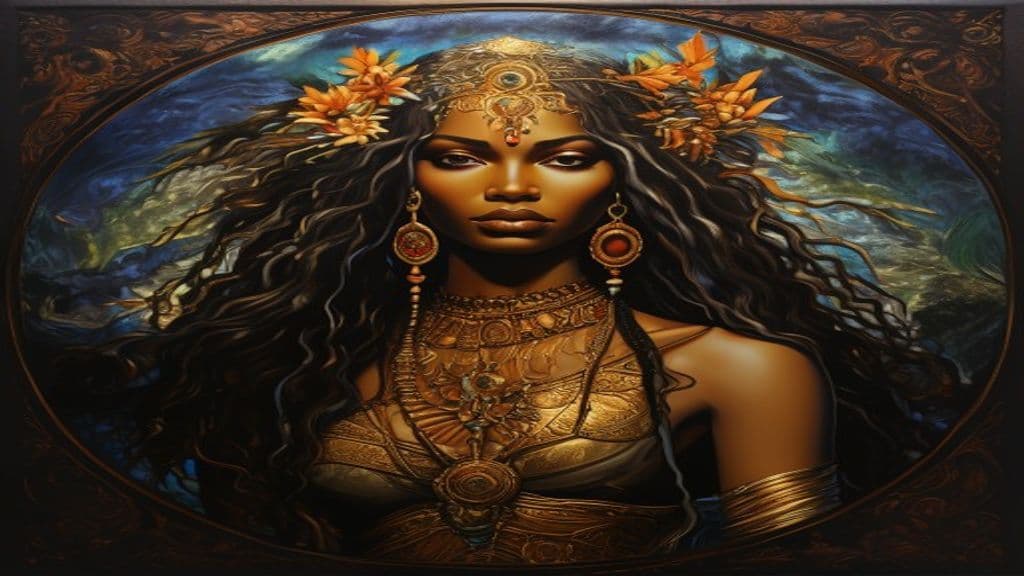
Mami Wata
Mami Wata is a class of water-associated female supernatural beings and deities found across parts of West, Central, East and Southern Africa and in the African Atlantic diaspora. Associated with wealth, fertility, healing, beauty and possession phenomena, Mami Wata figures combine mermaid-like and snake- or crocodile-linked imagery and have absorbed foreign visual forms through historical contact.
Impundulu
The Impundulu, commonly called the "lightning bird," is a legendary avian creature from Zulu and wider Nguni folklore. Sources describe it as associated with lightning and as a formidable, fear‑inducing supernatural being that appears in modern retellings and popular culture.
Mamlambo
Mamlambo is a southern African / Zulu river-deity or water spirit figure described in modern sources as a large, hybrid aquatic monster associated both with deadly attacks attributed by villagers and with themes of seductive wealth similar to Mami Wata. High-profile press reports from 1997 linked mamlambo to multiple deaths at the Mzintlava River near Mount Ayliff in the Eastern Cape.
Tokoloshe (Tokolosh)
A diminutive non-human spirit in Nguni and broader Bantu-speaking Southern African traditions, frequently portrayed as a dwarf-like, sometimes hairy water spirit used by malicious people to harass, frighten, or harm others. It functions both as a bogeyman for social discipline and as an explanatory agent for unexplained illness and death, and communities invoke traditional healers or pastors with an apostolic calling to counter it.
Indra
Indra is a major Vedic deity, king of the devas and lord of Svarga (heaven), associated primarily with the sky, storms, lightning, rain, rivers and martial heroism; he is central in the Rigveda and later appears across Hindu, Buddhist and Jain cosmologies with varying status.
Indrajit (Meghanāda)
Indrajit, also called Meghanāda, is the eldest son of Rāvaṇa in the Indic epic tradition (the Rāmāyaṇa). A mortal royal and mighty warrior, he is famed for mastery of celestial weapons (astras), sorcery/tantra, and aerial/illusion warfare, and for briefly capturing the god Indra.
Indrani
Indrani (Sanskrit: Indrāṇī), also called Śacī / Shachi and Poulomī, is the queen and consort of the Vedic and Puranic god Indra. Presented in Vedic hymns and later epic and Purānic narratives, she functions as Indra's wife, a personification of aspects of his power in some hymns, and an agentic figure in courtly celestial stories such as the Nahusha episode.
Indrik (Indrik-zver')
A singular marvelous beast in Russian folklore, the Indrik (Indrik-zver') is described in medieval compilations such as the Dove Book as the "king of all animals" who dwells on a sacral "Holy Mountain"; the creature is gigantic and horned and is said to make the earth tremble when it stirs.
Inel Qaghan
Inel Qaghan (Old Turkic: 𐰃𐰤𐰠:𐰴𐰍𐰣; Chinese: 泥涅可汗; personal name Ashina Fuju) was a historical Turkic ruler of the Ashina house, recorded as the third khagan of the Second Turkic Khaganate. He served as a military leader commanding the western wing and was killed in a dynastic struggle during the early 8th century.
Inkarri
Supernatural vengeful entity that resurrects and avenges Atahualpa's death, restoring balance between Pacha Mama and humanity. (Note: 1. Power tier: Inkarri's abilities don't suggest Primordial level; it seems more like Greater or Ancient. 2. Appearance: Add a description of what Inkarri looks like after resurrecting (e.g., how its )
Inmyeonjo
A mythological creature in Korean tradition with human and bird characteristics. (Note: - Power tier: Lower than Primordial (should be Lesser or Greater) since no deity-level abilities are described. - Origin story: Remove statement since it's true that no specific origin story is mentio)
Ino
Ino is listed in the provided sources simply as a queen of Thebes in Greek mythology. The available materials are limited to a disambiguation entry and do not supply mythic narrative details, supernatural attributes, or ritual material for her.
Inshushinak
Inshushinak is the principal tutelary deity of the city of Susa in Elamite tradition, functioning as the city's lord, protector, royal legitimizer, and divine judge with associations extending into funerary and underworld contexts.
Community Record
- [1]Inkanyamba - Wikipedia. Wikipedia, 'Inkanyamba' article (summary of Zulu/Xhosa traditions and localizations, etymology and descriptions).wiki
- [2]DSAE: Inkanyamba entry. Dictionary of Southern African English (DSAE) entry on 'Inkanyamba' (local usage and notes on belief persistence and variation).academic
- [3]Mystery Hunters — episode including Inkanyamba (archive). Archive copy of a popular-media episode referencing the inkanyamba and modern receptions.other
- [4]‘Weathering the Storm’: Reading for Indigenous Climate Knowledge(s) in Selected Southern African Short Stories. Scholarly article noting serpent/water motifs in indigenous climate knowledge and linking such motifs to understandings of weather and storms in southern Africa.academic
- [5]FunkyMunky — South African Myths and Legends. Popular-website summary including regional myths and mention of southern African water-serpent figures.folk
- [6]Sciencetimes — 'What Does Inkanyamba Look Like?'. Modern popular article collecting claims about physical size and popular reinterpretations of the inkanyamba as a cryptid.other
- [7]FASA Games — 'Mr. Khogisa’s Cryptids' (mentions regional myths). Popular/gaming site referencing regional cryptids and myths including the inkanyamba in compiled materials.other
- [8]Archive: 'Zits from Python Pit' (reference). Archived item cited among collected references to python and serpent lore in southern Africa.other