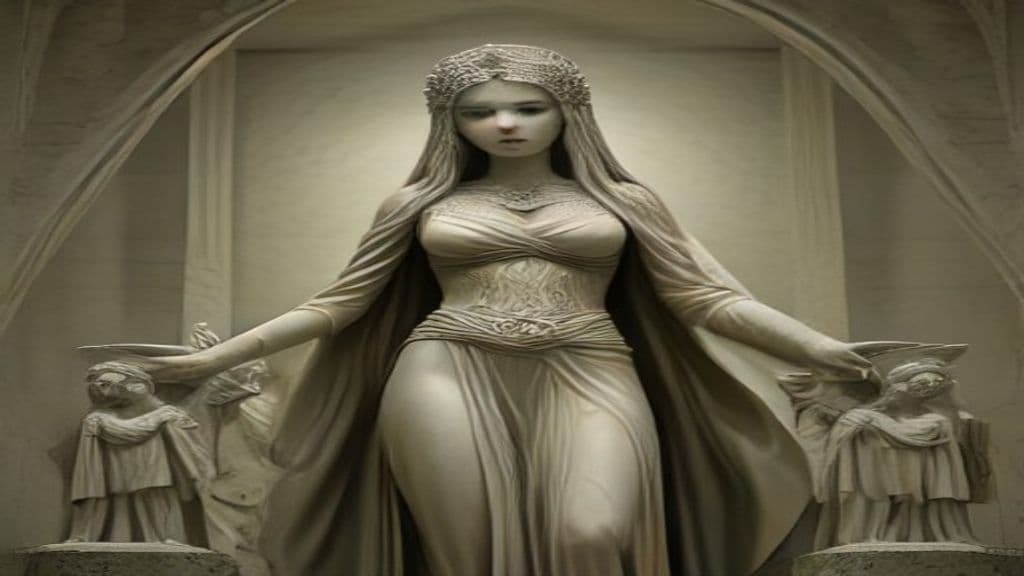
The name Iphianeira occurs in Greek genealogical tradition in at least two attachable attestations. In one attestation preserved by Diodorus Siculus and summarized in modern reference works, Iphianeira is presented as a daughter of Megapenthes who becomes the wife of the seer Melampus and mother of children named Antiphates, Manto, Bias, and Pronoe. In another strand preserved in summaries of the Catalogue of Women and genealogical entries, an Iphianeira appears as daughter of Oicles (Oecles) and Hypermnestra and sister to Amphiaraus and Polyboea; this placement links her into the broader Argive/Theban seer-lines and may represent a later-generation bearer of the name within the same family-network. Sources differ on generational placement and parentage, and the attested material is primarily genealogical rather than narrative.
No physical description is provided in the cited sources. Iphianeira is attested only as a named woman within genealogical lists and narratives; surviving citations record familial relations (daughter, wife, mother, sister) but do not supply details of appearance, dress, age, or distinguishing physical attributes.
The sources do not ascribe supernatural powers, cult roles, or special abilities to Iphianeira. Her function in the tradition is genealogical and relational: she is recorded as wife and mother in one tradition and as daughter and sister in another. There is no evidence in the provided material that she exercised seer-powers, magical acts, or independent mythic deeds; any such attribution would be speculative beyond the cited texts.
Weaknesses
- otherNone attested
Wards
- otherNone attested
Antiphates
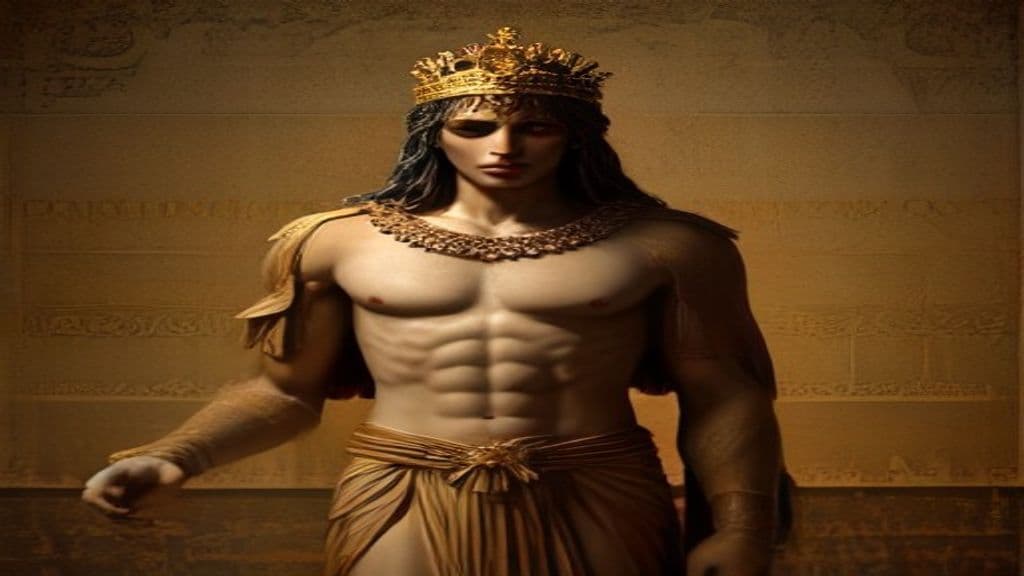
Antiphates is an ancient Greek personal name borne by multiple distinct characters in the epic tradition (at least five figures): a king of the Laestrygones (giant cannibals) encountered by Odysseus, a warrior concealed in the wooden horse at Troy, a Trojan warrior slain by Leonteus in Italian/late-epic tradition, and at least two genealogical bearers (son of Melampus; son of Sarpedon). The name functions as a personal name across heroic genealogies and episodic narratives rather than as a single supernatural species.
Hypermnestra
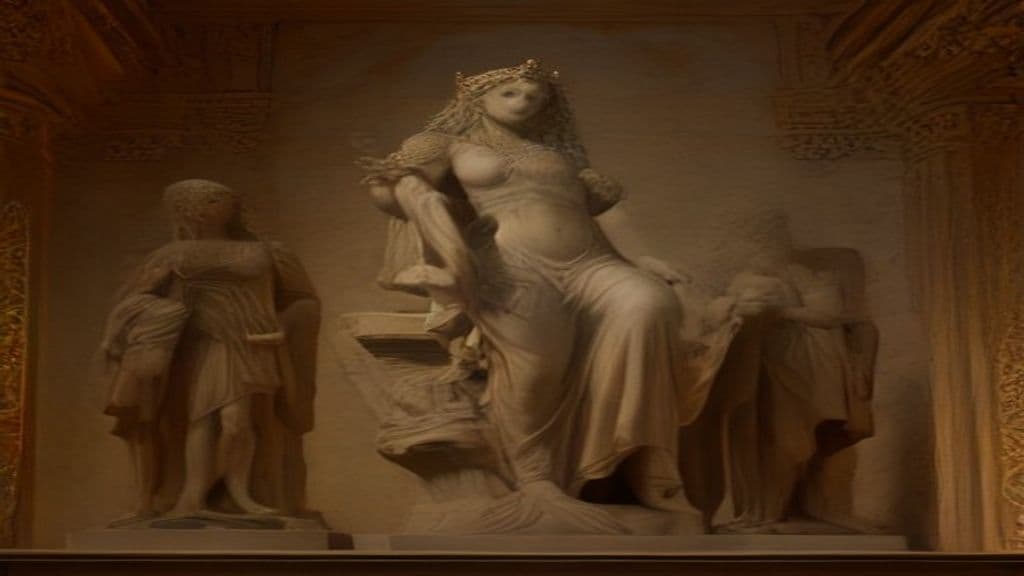
Hypermnestra is a mythological mortal from ancient Greek tradition, a daughter of Danaus who alone refused her father's command that the Danaids kill their husbands. By sparing Lynceus she becomes ancestress of the Abantiad line and an exemplar of individual moral refusal within the Danaid narrative.

Amphiaraus
Amphiaraus is a legendary Greek seer and chthonic hero, famed as one of the Seven against Thebes. After his death—when the earth opened and swallowed him—he was venerated at the Amphiareion of Oropos as a healing and oracular figure whose sanctuary received petitioners seeking dream-delivered solutions.
Acacallis
Acacallis (Ancient Greek: Ἀκακαλλίς; also Acalle) is a mythological princess of Crete in Greek tradition, daughter of King Minos and Pasiphae. She functions primarily as a dynastic and etiological figure: in varying accounts she is mother, by gods such as Hermes (Mercury) or Apollo, of eponymous or founder-figures like Cydon (founder of Cydonia), Miletus, or Lydon/ Lydus.
Acanthis
Acanthis is a young woman in Greek myth, daughter of Autonous and Hippodamia, who is transformed into a thistle finch by the gods as an etiological explanation for the bird's name. The story is preserved chiefly in Antoninus Liberalis' Metamorphoses and summarized in modern reference works.
Acaste
Acaste (Ancient Greek: Ἀκάστη) is a named Oceanid — one of the daughters of the Titans Oceanus and Tethys — recorded among the companions of Persephone at the moment of her abduction; the name also appears separately as a nurse of the daughters of King Adrastus of Argos in later genealogical lists.
Achaeus
Achaeus (Ancient Greek: Ἀχαιός, Akhaiós) is an eponymous personal name borne by three mythological human figures in Greek tradition; best attested is Achaeus, son of Xuthus and Creusa, brother of Ion and grandson of Hellen, who is named as father of Archander and Architeles in Pausanias. The name is glossed as meaning "griever," from ἄχος (achos, "grief, pain, woe").
Aegle
Aegle (Ancient Greek: Αἴγλη, 'brightness' or 'dazzling light') is a name applied to several distinct female figures in Greek myth: a daughter of Asclepius associated with health, a Naiad mother of the Charites by Helios and Neaera, one of the Heliades transformed into a poplar after Phaeton's death, a named Hesperid, an alternate name for Coronis in some traditions, a daughter of Panopeus beloved by Theseus, and a nurse of Dionysus. The recurrence of the name links these figures by the themes of brightness, beauty, and filial or nymph-like status rather than by a single unified identity.
Aello
Aello (Ancient Greek: Ἀελλώ) is a named figure in Greek myth primarily attested as one of the Harpies—winged female personifications of storm-wind who harry, snatch, and torment. The name also appears in variant lists as applied to an Actaeonian hunting dog, showing onomastic fluidity in the tradition.
Agaptolemus
Agaptolemus (Ancient Greek: Ἀγαπτόλεμος) is a mythic Greek prince, one of the fifty sons of King Aegyptus, best known as the husband of the Danaid Pirene who, like most of the Danaids, slew her husband on their wedding night at the command of her father Danaus.
Agave
Agave (Ancient Greek: Agaue/Agaúē) is a personal name borne by at least two distinct figures in Greek myth: a Nereid (one of the fifty sea-nymph daughters of Nereus) and a Theban princess, daughter of Cadmus, who appears in myths connected with Dionysus. The name is glossed in Greek sources as 'illustrious', 'noble', or 'high-born'.
Agrius
Agrius (Ancient Greek: Ἄγριος, 'wild') is an onomastic figure in Greek myth whose name is applied to multiple distinct personae—including a Giant, a centaur, a bear‑born twin, a princely son, a suitor of Penelope, and one of Actaeon's dogs—rather than a single unified supernatural being. Each attestation places an Agrius in different narrative registers (Gigantomachy, Heracles' labors, heroic genealogies, the Odyssean cycle, and the Actaeon hunt).
Agron
Agron (Ancient Greek: Ἄγρων, 'wild' or 'rustic') is a human/mortal figure attested in the summary of Antoninus Liberalis' Metamorphoses (as presented on Wikipedia) who, because of impiety toward certain gods, is transformed by Hermes into a plover. The tale functions as an etiological metamorphosis and moral exemplum about observing cult obligations.
Aitolos
Aitolos is a name that appears in Greek-language traditions referring to two distinct figures: Aetolus, a mythic genealogical ancestor in classical Greek myth (son of Endymion, descendant of Deucalion), and Kosmas Aitolos (St. Cosmas of Aetolia), a historical/hagiographic Orthodox teacher whose collected writings emphasize pastoral and ascetical themes. The sources do not present Aitolos as a single folkloric supernatural being.
Alcestis
Alcestis (Ancient Greek: Ἄλκηστις, Álkēstis) is a mortal princess of Greek myth famed for voluntarily dying in place of her husband Admetus and being temporarily returned from the underworld through Heracles’ intervention. Her story highlights conjugal devotion, substitutive death, and the need for purification after contact with chthonic powers.
Community Record
- [1]Iphianeira - Wikipedia. Wikipedia contributors, 'Iphianeira,' Wikipedia, The Free Encyclopediawiki
- [2]Iphianeira (Wikidata). Wikidata entry Q12878265other
- [3]Oicles - Wikipedia. Wikipedia contributors, 'Oicles,' Wikipedia, The Free Encyclopediawiki
- [4]ToposText person entry (Iphianeira / related). ToposText: person entry (catalogue/genealogical listing)literary
- [5]ToposText person entry (Iphianeira / related). ToposText: person entry (catalogue/genealogical listing)literary
- [6]Diodorus Siculus, Library of History Book 4 (Loeb / LacusCurtius text). Diodorus Siculus, Library of History, Book IV, chapters 59–85 (translation as available at LacusCurtius)literary
- [7]Diodorus Siculus, Book 4 (Theoi Classical Texts Library). Diodorus Siculus (translation) as reproduced at Theoi Classical Texts Libraryliterary
- [8]Megapenthes | Facts, Information, and Mythology (Pantheon). Pantheon.org: Megapenthes entry (genealogical discussion)other
- [9]Bias | Facts, Information, and Mythology (Pantheon). Pantheon.org: Bias entry (genealogical discussion)other