
Isimud is attested in Mesopotamian literary and ritual sources as the sukkal of Enki (Ea). Sources do not preserve a separate cosmogonic origin tale for Isimud; instead his identity emerges from his institutional role within Enki’s household and from god lists that record his name (Sumerian Isimud, Akkadian Usmû, Hurrian Izzummi). Earlier scholarship sometimes equated him with the theonym Ara (ŠA), but more recent assessment argues Ara may originally have been a distinct (possibly female) servant figure later conflated with Isimud. The theonym Usmû was also understood through a folk etymology linking it to an adjective meaning “two‑faced,” which fit the deity’s characteristic iconography and mediatory function.
In visual representations Isimud is typically shown as a two‑faced figure, an identifying attribute that allows recognition even when the conventional badge of office (a sukkal’s staff) is absent. He appears standing alone or in scenes introducing or accompanying his master Enki. Depictions of the twin faces persisted from the Akkadian through Kassite periods and examples are known from sites outside Mesopotamia (Syria and Hittite territories). The two faces have been compared by modern scholars to other two‑faced motifs (for example Janus) as a visual metaphor for mediation and dual orientation.
Isimud’s agency in the sources is functional rather than elemental: he serves as advisor, messenger, doorkeeper and emissary for Enki. In myths and ritual narratives he conveys information to and from Enki, instructs others on Enki’s behalf, navigates Enki’s boat, and carries out tasks assigned by his master. Specific mythic appearances include informing Enki and relaying demands in "Inanna and Enki," guiding Enki’s boat and cutting plants in "Enki and Ninhursag," appearing in "Enki’s Journey to Nippur," "Ninurta and the Turtle," the "Enūma Eliš," and being charged with notifying the human protagonist in "Atraḫasīs" about the fate decreed by the gods. The sources do not present him as an independent cosmic power or as the personification of a natural sphere; his authority derives from his office within Enki’s household.
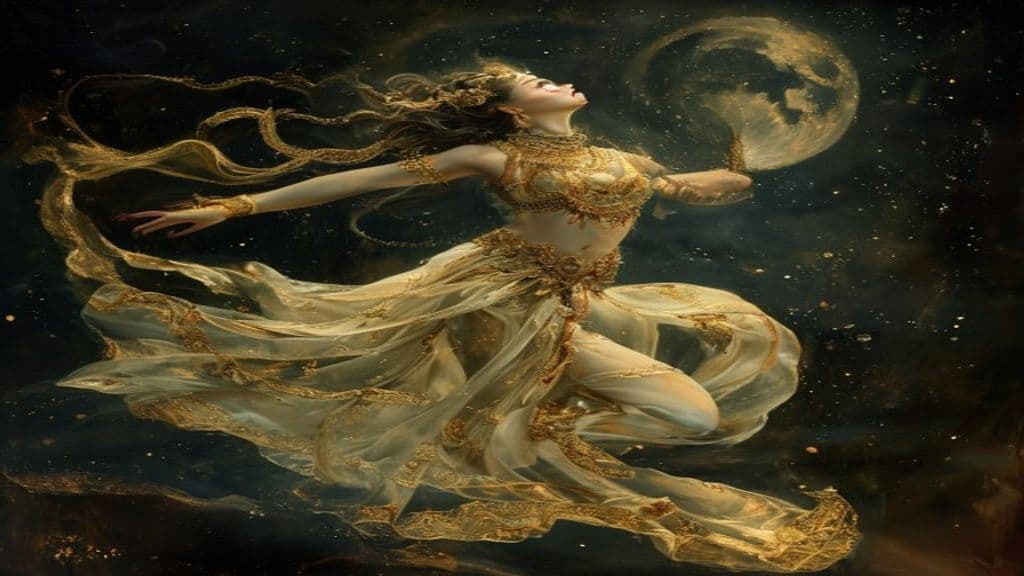
Apsara
Celestial dancers and water nymphs of Hindu cosmology — beautiful semi-divine beings who dance at the court of Indra and, by his command, descend to earth to distract sages from excessive asceticism.
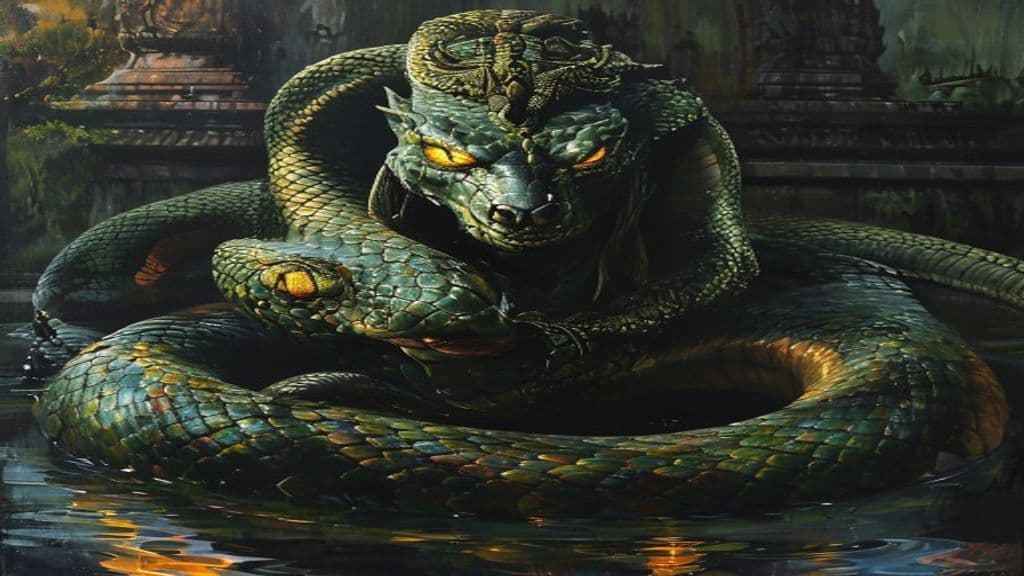
Naga
Divine serpent beings of Hindu, Buddhist, and Jain cosmology — powerful guardians of water, earth, and underground treasures. Revered as deities in South and Southeast Asia.

Nuska
Nuska (also Nusku) is a Mesopotamian deity chiefly attested as the sukkal (vizier/attendant) of the god Enlil. He functions as Enlil's doorkeeper, counselor, and mediator, and is associated with fire, lamps, and nocturnal protection against demons such as Lamashtu and gallu.
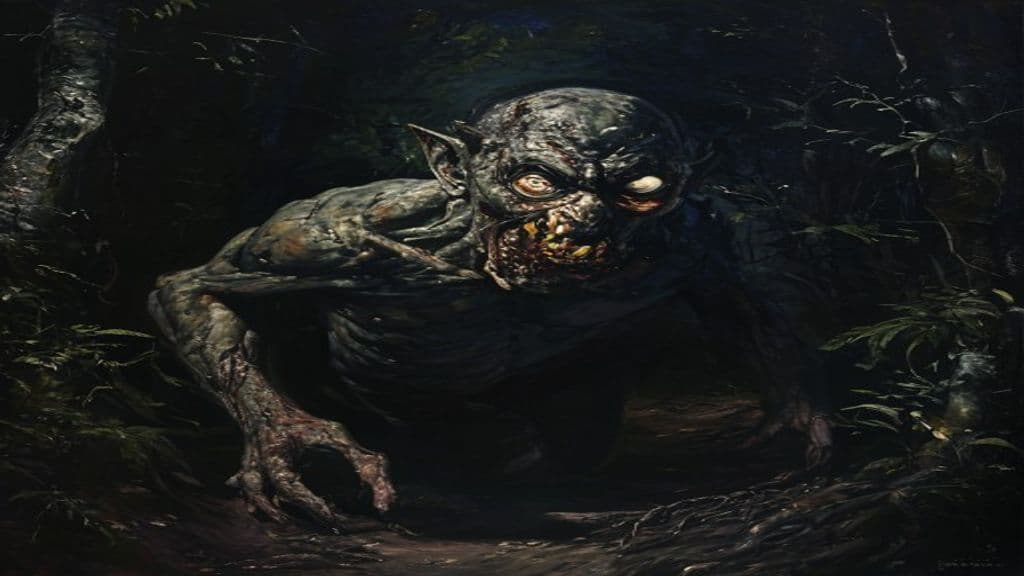
Pishacha
Flesh-eating spirits of Hindu mythology that haunt cremation grounds and are associated with disease, madness, and possession. The lowest class of demon in the Vedic hierarchy.
Community Record
- [1]Isimud (Wikipedia). Wikipedia contributors, 'Isimud,' Wikipedia, The Free Encyclopedia.wiki
- [2]Wikidata: Isimud. Wikidata entry Q4203799, Isimud/Usmû.other
- [3]Inanna and Enki - The Transfer of the Arts of Civilization. Modern online retelling/transcription of the Sumerian composition 'Inanna and Enki.'literary
- [4]Enki and Ninhursag. Online reproduction/retelling of the myth 'Enki and Ninhursag.'literary
- [5]Ninurta and the Turtle. Online text of 'Ninurta and the Turtle' (Gateways to Babylon).literary
- [6]Enki and Ninhursag (alternate host). Alternate online retelling/transcription of 'Enki and Ninhursag.'literary
- [7]Ara (goddess) (Wikipedia). Wikipedia contributors, 'Ara (goddess),' Wikipedia, The Free Encyclopedia.wiki