
In classical and Hellenistic poetic cosmology the term Lucifer (Latin, 'light-bringer') and Greek cognates (Phosphoros, Eosphoros) name and personify the morning aspect of the planet Venus, a brilliant celestial body that heralds dawn. In Isaiah 14:12 the Hebrew phrase הֵילֵל בֶּן־שָׁחַר (Helel ben Shachar, 'shining one, son of the morning/dawn') is used poetically in a taunt against the king of Babylon; the Latin Vulgate translates that phrase as lucifer. Subsequent Jewish and Christian exegesis and later theological tradition reinterpreted the Isaiah image within a wider mythic motif of a high heavenly figure who attempts to ascend and is cast down, leading to identification of the name with a cosmic rebellious opponent (the Devil) in later Christian writings. Comparative scholarship notes parallels in Canaanite and Babylonian morning-star myths where a stellar deity aspires to the highest seat and is brought low.
In the primary classical register Lucifer is the brilliant morning star (planet Venus) visible at dawn and, in poetic accounts, sometimes presiding over the marshaling of the stars. Ancient authors (Ovid, Hyginus) describe the star's exceptional brightness and personify it in youthful, luminous terms; the Isaiah text uses shining radiance as its central image rather than an anthropomorphic portrait. Later Christian exegetical tradition reads the Isaiah taunt as describing a formerly exalted heavenly figure cast down from high station, but the supplied sources emphasize that this is an interpretive development layered on a poetic/astronomical image rather than an explicit physical description in the prophetic text.
As an astronomical/personified figure, Lucifer's 'ability' is observational and poetic: to appear as the morning star and to herald dawn; classical poetry grants it precedence among stars and a luminous prominence. As a literary and theological motif, the figure is associated with prideful striving to ascend to the highest seat and a consequent fall — a behavioral schema rather than enumerated supernatural powers in the cited materials. Later Christian tradition treats the reinterpreted figure as associated with opposition to God (the Devil) and moral exempla of hubris, but the sources provided do not catalogue specific supernatural faculties or magic powers tied to the name.
Weaknesses
- otherNo specific weaknesses documented in the provided sources; the material reports a fall from high station as the narrative consequence of pride rather than describing concrete vulnerabilities.
Wards
- otherThe provided sources do not record rituals, charms, or warding measures directed specifically at Lucifer; no protection practices are documented in the cited material.

Baal
Baal (bāʿal) is a Northwest Semitic title meaning 'owner' or 'lord' that served as a theonym in the ancient Levant; in Ugaritic and Canaanite texts it appears as the name/title of a prominent storm and fertility god (often rendered Baʿal Haddu) who features centrally in the Baal Cycle and in regional cults tied to rain, fertility, and kingship. In later monotheistic literatures the term becomes a polemical label for rival or foreign deities and is reinterpreted in various receptions.
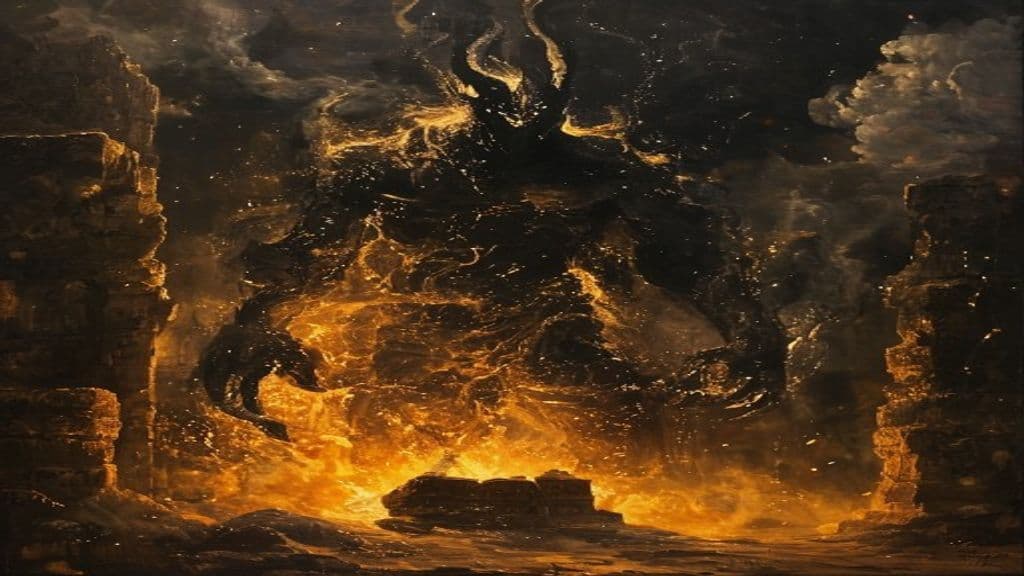
Ifrit
One of the most powerful classes of jinn in Islamic and pre-Islamic Arab tradition — a fire-born being of immense strength and cunning, capable of great works of engineering and terrible violence.
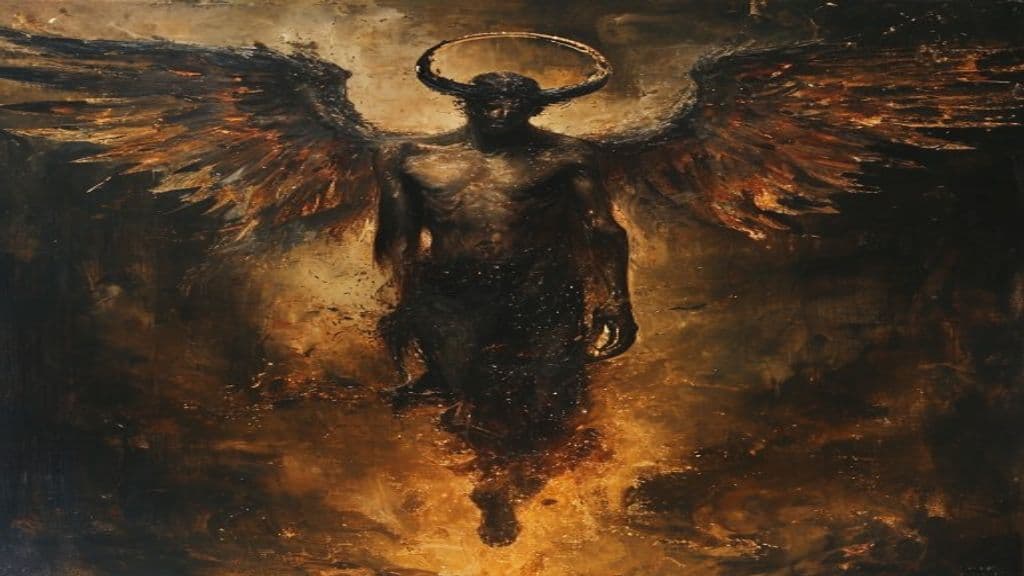
Iblis
The primordial deceiver in Islamic theology; a jinn who refused God's command to bow before Adam and was expelled from heaven. The source of all temptation and whispered suggestion.
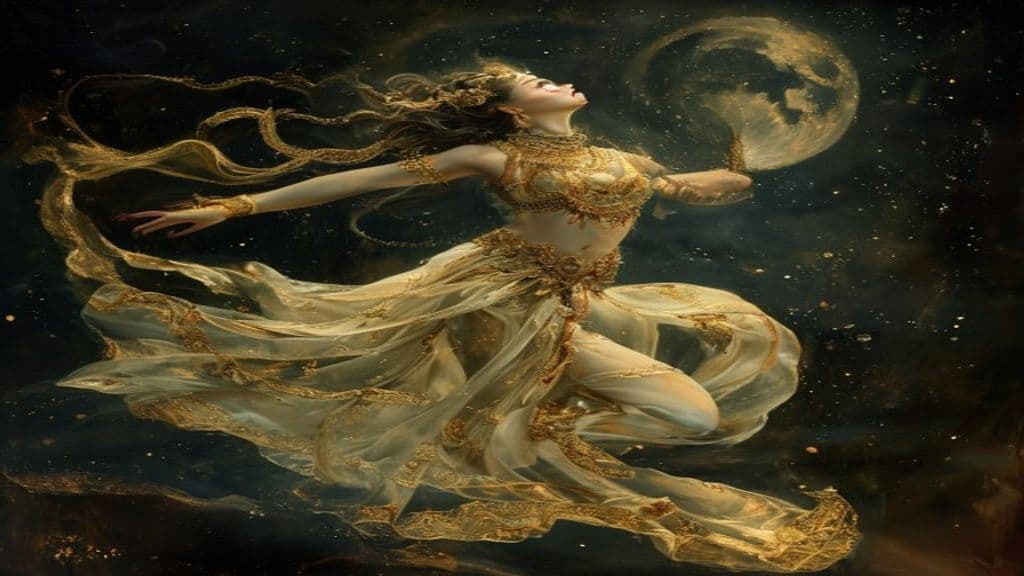
Apsara
Celestial dancers and water nymphs of Hindu cosmology — beautiful semi-divine beings who dance at the court of Indra and, by his command, descend to earth to distract sages from excessive asceticism.

Naga
Divine serpent beings of Hindu, Buddhist, and Jain cosmology — powerful guardians of water, earth, and underground treasures. Revered as deities in South and Southeast Asia.
Community Record
- [1]Lucifer - Wikipedia. Wikipedia article 'Lucifer' (summarizes linguistic, biblical, and later theological uses of the term)wiki
- [2]Wikidata: Lucifer (taxon) note. Wikidata entry noting a homonymous crustacean genus (lexical homonym, not a supernatural relation)other
- [3]Ovid (as cited in notes) — personification of Lucifer. Quoted in the assembled notes: 'the Stellae took flight, in marshaled order set by Lucifer who left his station last' (classical poetic personification of the morning star).literary
- [4]Hyginus (as cited in notes). Summarized in the notes: Hyginus describes the star of Venus (Luciferus) and remarks on its exceptional brightness.literary
- [5]Isaiah 14:12 linguistic context (Helel ben Shachar) — summarized in sources. Notes summarize the Hebrew phrase הֵילֵל בֶּן־שָׁחַר (Helel ben Shachar) used in Isaiah 14:12 and the Vulgate's translation as lucifer; in the prophetic context the address functions as a taunt directed at the king of Babylon.literary
- [6]Comparative myth notes (Canaanite/Babylonian parallels). Summarized in the provided material: scholarly reconstructions suggest a Canaanite morning-star deity who attempted Ba'al's throne and then descended to rule the underworld; Babylonian motifs of a celestial figure striving and being cast down are noted as comparative parallels.academic