No single collective in‑world origin or technical name for the entire class is given in the supplied sources; rather, C. S. Lewis populates Narnia with a syncretic assemblage of beings drawn from multiple mythic and folk traditions and reshaped for his narrative purposes. Within Lewis's cosmology these creatures coexist with human characters and divine presences (notably Aslan) and are integrated into the moral and political life of Narnia.
Appearance varies by species. Some creatures are enlarged, anthropomorphized versions of real animals (beavers, bears, mice, wolves). Traditional mythic figures retain their conventional forms as adapted by Lewis: for example, centaurs have the 'upper torso of a human and the lower legs and body of a horse' and are described in The Lion, the Witch and the Wardrobe as appearing 'part English farm horse and part giant' from the perspective of the Pevensie children. Other types cited in the secondary literature include fauns, satyrs, and dryads; no single visual schema applies across the entire category.
Abilities and roles depend on species. Talking animals speak, reason, participate in society, and take up arms. Mythic figures often retain classical attributes as adapted by Lewis: centaurs are portrayed positively as wise prophets, sages, and loyal courtiers, noted for skill in astronomy and divination and for martial prowess; a centaur healer (named Cloudbirth) is referenced in The Silver Chair, implying healing roles among centaurs. Collectively, the creatures serve as courtiers, prophets, soldiers, healers, and companions and are used to embody moral, spiritual, and mythic themes within the Narnian narrative.
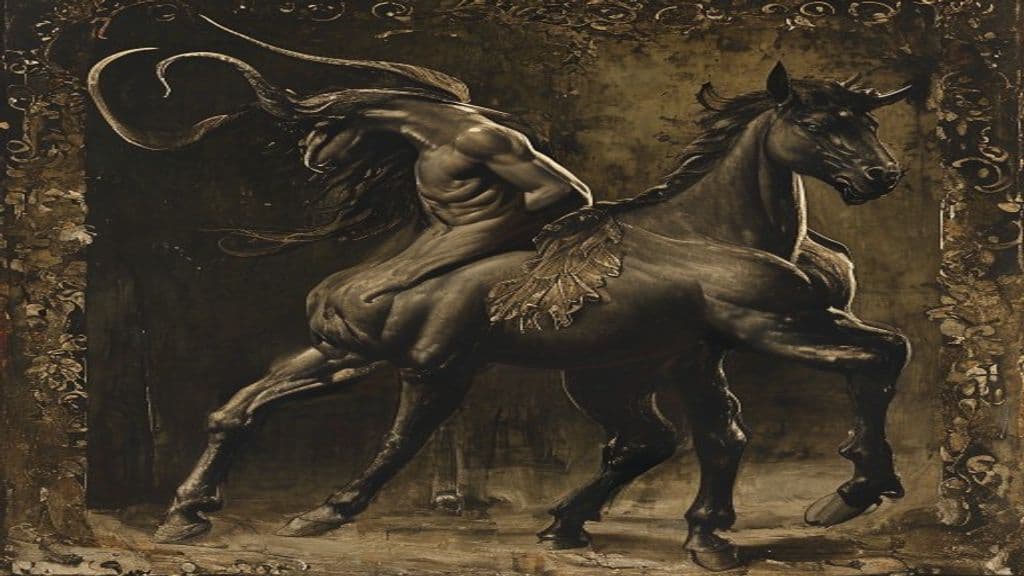
Centaur
A mythic hybrid from ancient Greek tradition with the upper body of a human and the lower body and legs of a horse. Centaurs appear as a tribal population associated with mountainous and wooded regions of Greece and embody tensions between human social order and untamed nature.
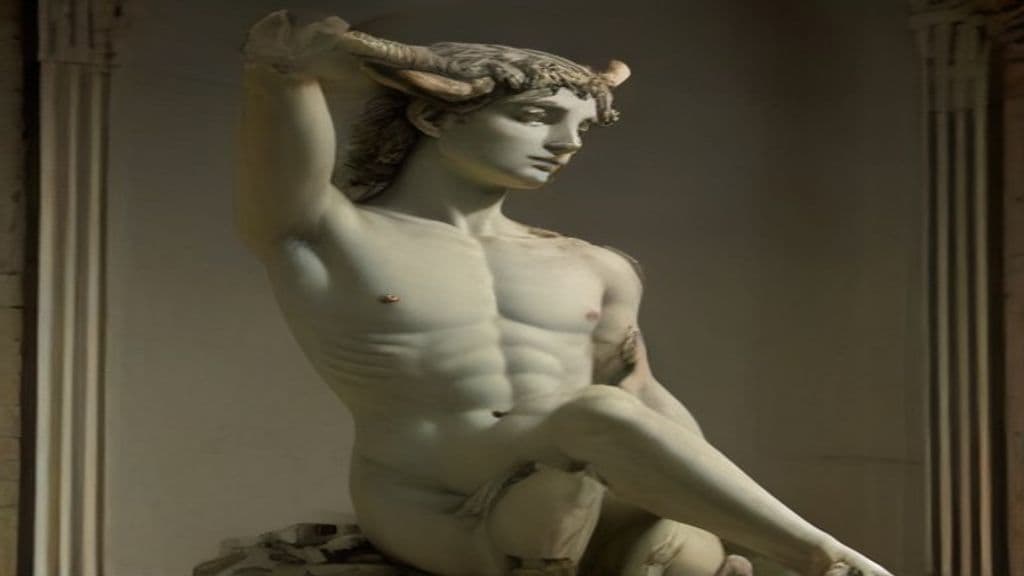
Faun
A faun is a Roman mythic being combining human and goat-like features, originally conceived as rustic local spirits (genii) of the countryside and later visually conflated with Greek satyrs and the god Pan; they are associated with pastoral fertility, revelry, and an ambivalent role toward travelers in wild places.
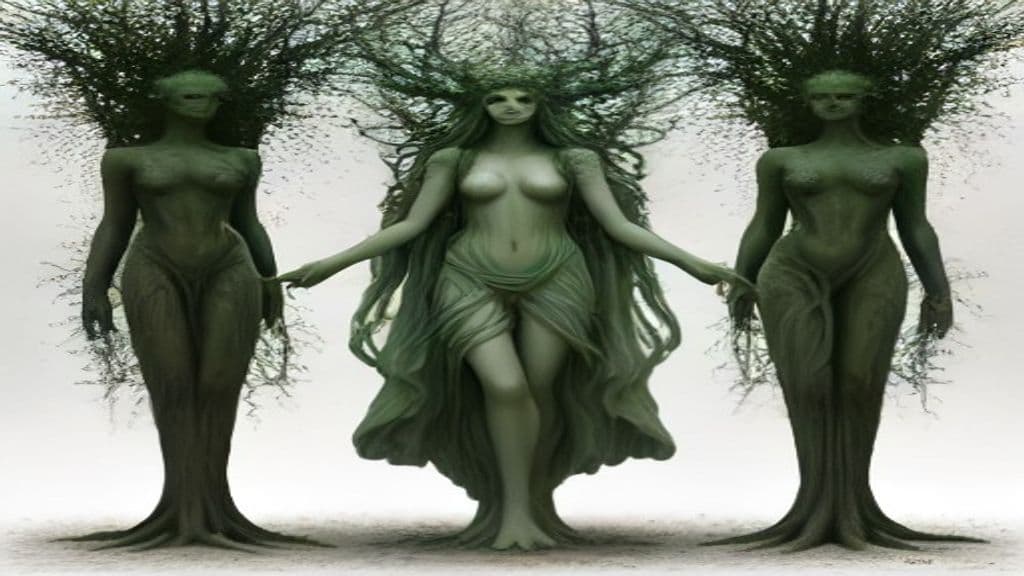
Dryad
A type of Greek nymph associated with trees—especially oak—often depicted as long‑lived nature spirits whose lives are connected to particular trees in some subtypes. Dryads enforce respect for trees and may punish mortals who harm them without prior appeasement.
Community Record
- [1]Magical creatures in The Chronicles of Narnia. Wikipedia, 'Magical creatures in The Chronicles of Narnia'wiki
- [2]Wikidata: Magical creatures in The Chronicles of Narnia (Q110639756). Wikidata entry Q110639756other
- [3]The Chronicles of Narnia: The Lion, the Witch and the Wardrobe (2005) | Behind the Scenes. Archive.org, Behind the Scenes notes on 2005 film adaptationother
- [4]Through the wardrobe : your favorite authors on C. S. Lewis's Chronicles of Narnia. Essay collection (archive listing)other