
In Greek heroic genealogies Megareus is presented as a king of Onchestus who in the generation of the Minos–Theseus cycle came to Megara as an ally. Sources vary on his parentage: some traditions name him son of Poseidon and Oenope (or of the eponym Onchestus), reflecting the common Greek pattern of partial divine descent for local heroes. He is placed in the narrative sequence of the Cretan war, aiding King Nisus of Megara against Minos and meeting his death in that campaign. Later local memory at Megara preserved a tomb identified as his.
Surviving source excerpts provide no detailed physical description. He is treated as a mortal/heroic king commemorated by a tomb at Megara, implying human corporeality and burial, but no attributes of dress, age, or specific heroic accoutrements are recorded in the supplied texts.
Megareus' 'abilities' in the sources are social and martial rather than supernatural: he rules as king of Onchestus, leads or brings military aid to Megara in the Cretan invasion, and fights in inter-polis war. Some genealogical traditions grant him divine parentage (son of Poseidon), which situates him within the sacralized heroic category typical of Greek local-founders but does not in the provided material indicate explicit magical powers.
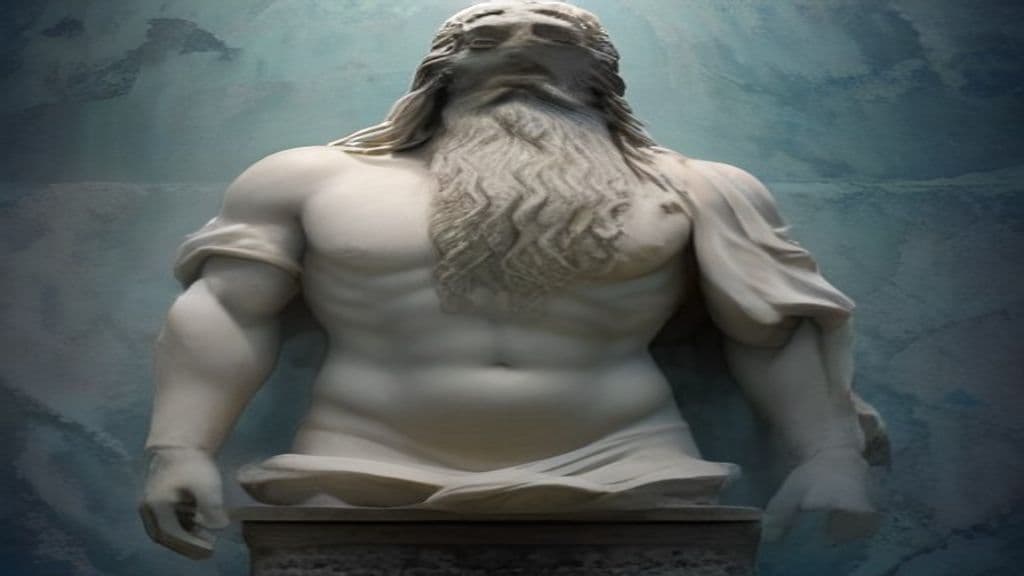
Poseidon
Poseidon is a principal deity of the ancient Greek pantheon, counted among the Twelve Olympians; he presides over the sea, storms, earthquakes and horses and functions as protector of seafarers and guardian of cities and colonies.
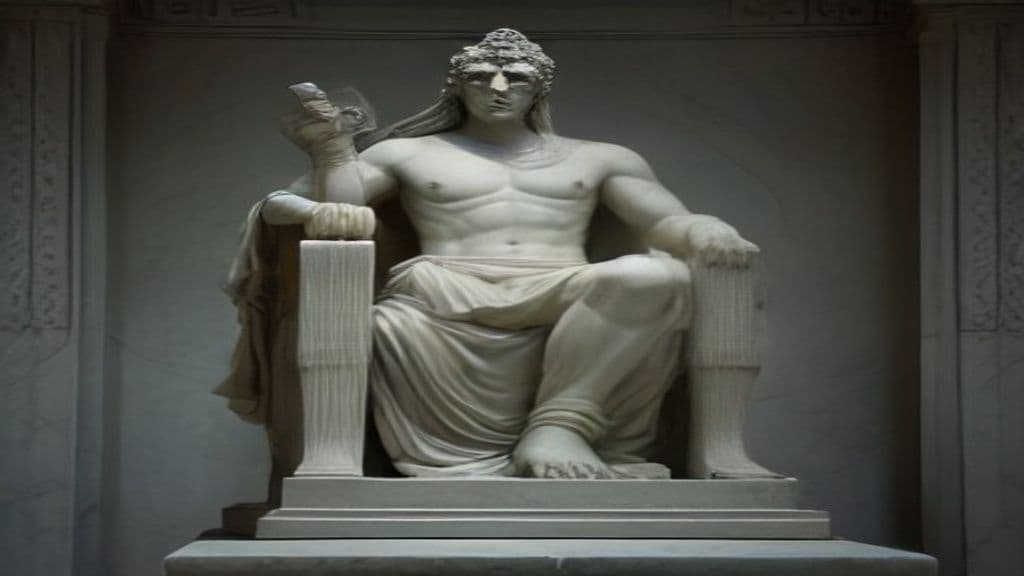
Minos
Minos is a legendary Cretan king in ancient Greek myth, remembered as a lawgiver and founder of Cretan naval power in life and as one of the three judges of the dead in Hades after death. Classical sources present him as a semi-divine, politically powerful mortal (son of Zeus and Europa) whose authority is both terrestrial and judicial in the afterlife.
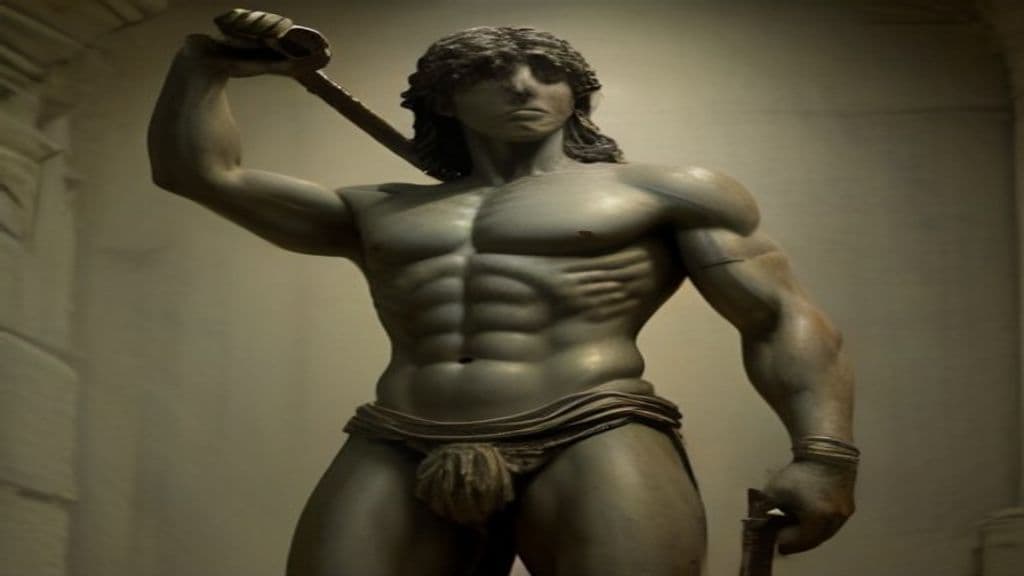
Theseus
Theseus is a legendary hero of Greek myth credited with clearing dangers from Attic roads, slaying the Minotaur, and performing foundational civic acts for Athens (including synoikismos and establishing cult practice). He is portrayed as of mixed mortal and divine parentage and functions as a culture-hero and exemplar in later authors' moralizing biographies.
Community Record
- [1]Megareus (son of Poseidon) - Wikipedia. Wikipedia, 'Megareus (son of Poseidon)'wiki
- [2]Megareus of Onchestus - Wikipedia. Wikipedia entry summarizing traditions associating Megareus with Onchestus and Megarawiki
- [3]Wikidata: Megareus of Onchestus. Wikidata entry for Megareus of Onchestusother
- [4]The Epitome of Theseus (Apollodorus summary) - Archive LP0011. Apollodorus (Epitome) summary as archived in LP0011; reports that Minos slew Megareus who had come from Onchestus to help Nisusliterary
- [5]Pausanias, Description of Greece 1.30-44 - Theoi Classical Texts Library. Pausanias, Description of Greece 1.30–44; notes the tomb of Megareus at Megara and that he came as an ally from Onchestus during the Cretan invasionliterary
- [6]Onchestos (mythology) - Wikipedia. Wikipedia entry for Onchestus providing regional context for Megareus as king of Onchestuswiki
- [7]Megareus in Greek Mythology - Greek Legends and Myths. Popular-summary account of Megareus' role in the Megarian/Cretan narrativesfolk
- [8]Megara - Greek Mythology Link. Regional myth-summary linking Megareus to Megara and local topographyfolk