The category 'monster' is not a single origin story but a classificatory concept. Etymologically English monster derives from Latin monstrum (from the verb moneo, 'to remind, warn, instruct, or foretell'), which in Greco‑Roman contexts framed anomalous beings or births as omens or signs of divine displeasure. Specific monsters have discrete mythic origins within their traditions: for example, the Minotaur's monstrous birth and confinement in a labyrinth is narrated as resulting from an intersection of human failure and divine causation (the Minos/Poseidon cycle), while modern literary monsters (Frankenstein's creature, Dracula) are products of literary invention that repurpose ancient monstrous themes.
No single canonical form exists; appearance varies by tradition and narrative. Common traits include grotesque or deformed bodies, hybrid anatomies (e.g., human-animal mixes like the Minotaur), great size or strength (ascribed to figures such as Grendel), serpent- or multi-headed forms (Hydra), or humanlike but fundamentally altered beings (werewolves, Frankenstein's creature). Monsters may also appear fully human in some accounts or take forms tailored to their symbolic role in a story.
Abilities are heterogeneous and determined by particular monsters and genres. Frequently attributed powers include exceptional physical strength and predatory violence (Grendel's nightly raids), capability to kill or cause large‑scale destruction, and supernatural faculties in some mythic cases (divine or semi-divine monsters such as Medusa or the Hydra). Some monster narratives link their origin or powers etiologically to human moral failings or divine intervention. Conversely, alternative portrayals in literature and film sometimes render monsters as misunderstood, nonmalicious, or mischievous rather than purely malevolent.
Weaknesses
- otherVariable and narrative-specific — monsters' vulnerabilities differ by tradition (examples: the Gorgons are vulnerable to beheading with aid of mirrors/reflections; Hydras are defeated by combined human strategy; vampires/zombies in modern taxonomy have genre-specific weaknesses). Sources emphasize variability rather than universal weaknesses.
Wards
- conditionProper religious observance (Greco‑Roman context) — the sources indicate that monsters and anomalous births were read as signs of divine displeasure and that maintaining ritual and sacrificial duties was the culturally prescribed preventative response rather than a universal magical ward.
- otherNarrative/heroic strategies — in literature and myth, protection typically takes the form of heroes, specialists, or plot‑specific devices used against particular monsters rather than a single cross-cultural ritual.
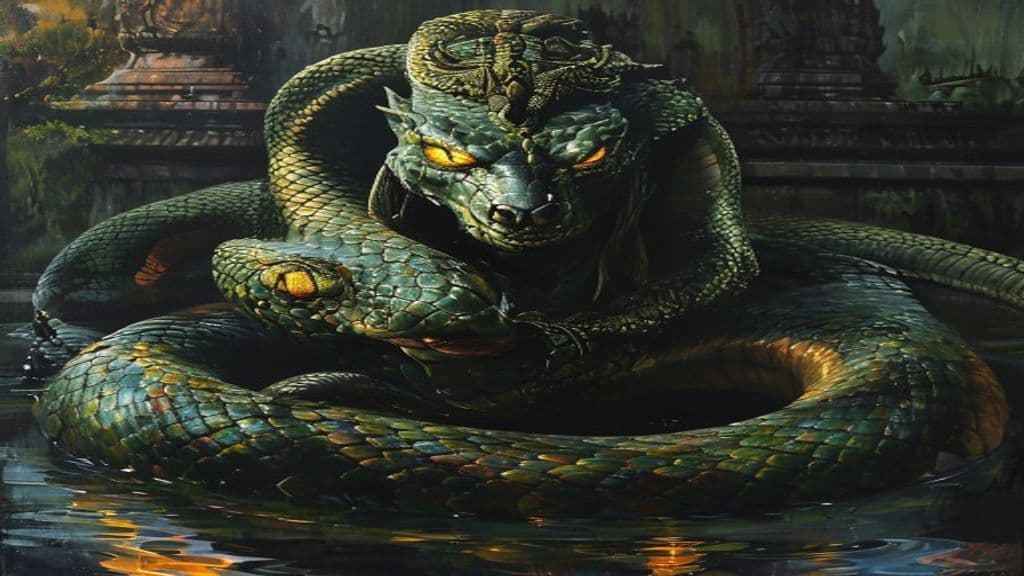
Naga
Divine serpent beings of Hindu, Buddhist, and Jain cosmology — powerful guardians of water, earth, and underground treasures. Revered as deities in South and Southeast Asia.
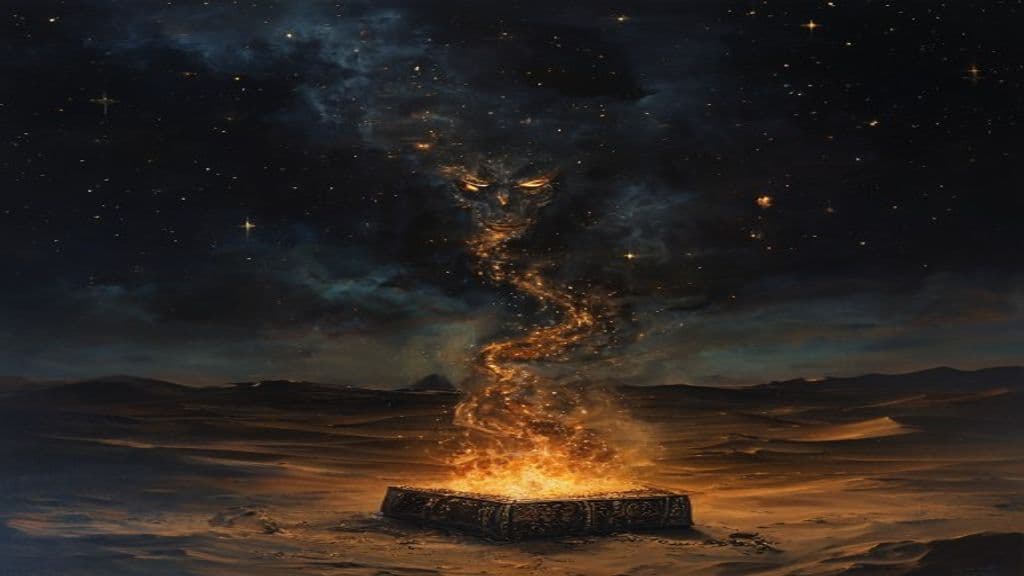
Djinn
The class of supernatural beings created from smokeless fire in Islamic cosmology — a parallel civilization to humanity, capable of belief or unbelief, with their own prophets, society, and judgment before God.
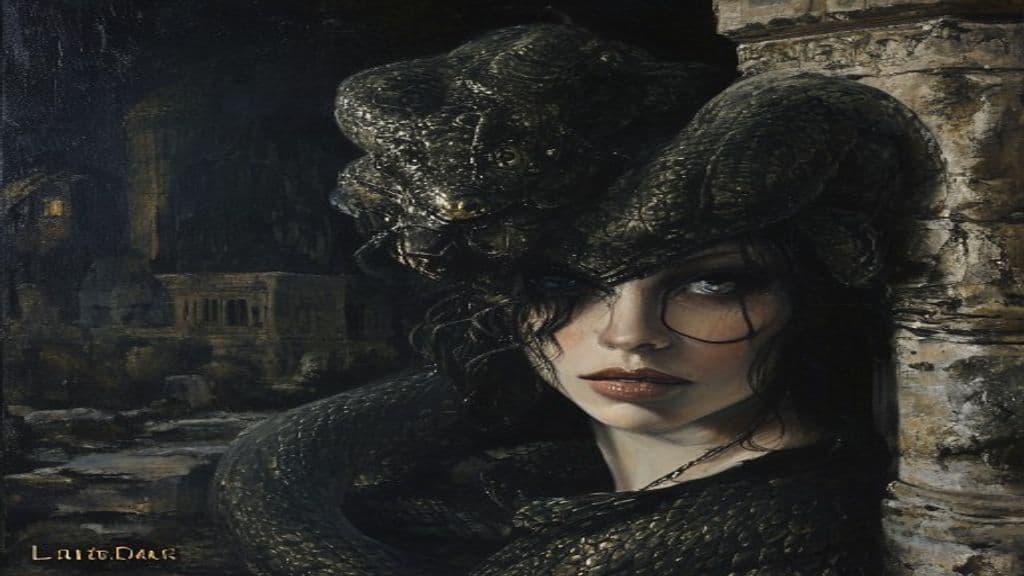
Lamia
A child-devouring demon of Greek mythology — once a queen of Libya and lover of Zeus, driven mad by Hera's destruction of her children and transformed into a monstrous hunter of other women's children.
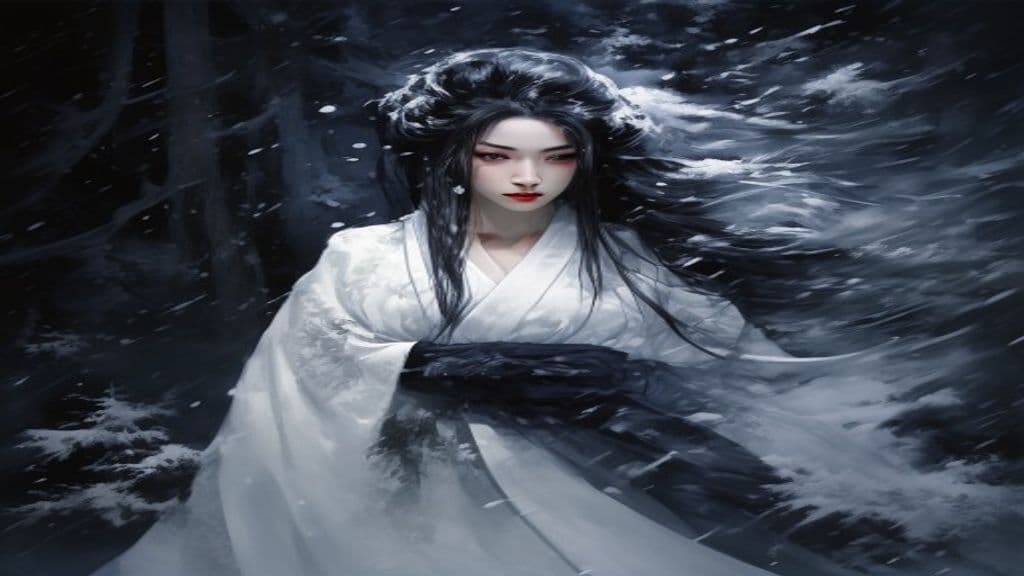
Yuki-onna
The Snow Woman of Japanese folklore — a spirit born of blizzards who appears to travelers lost in snowstorms. Beautiful and lethal, she can show mercy or bring death depending on her mood.
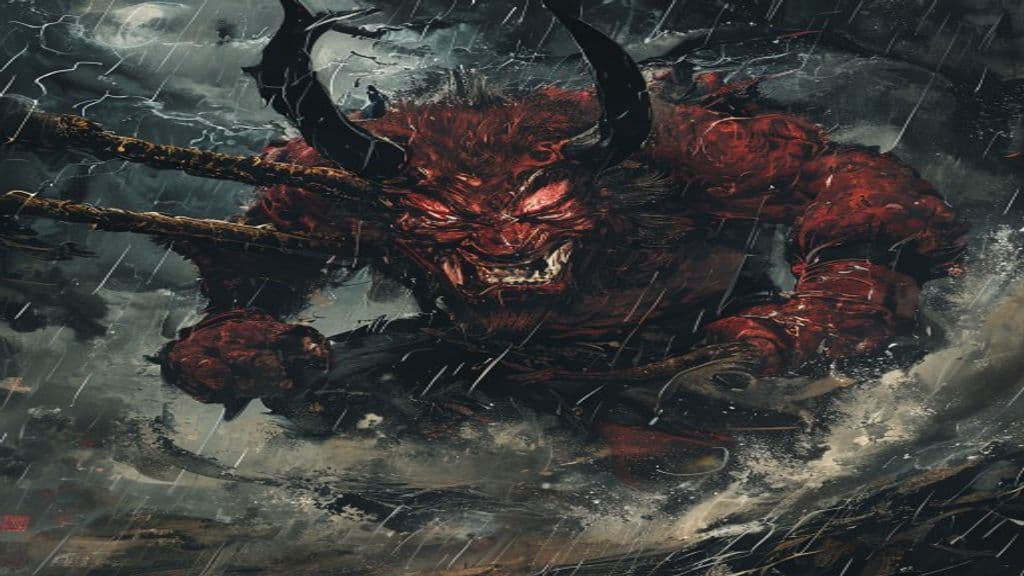
Oni
Powerful supernatural beings of Japanese folklore — associated with misfortune, disease, and the punishment of sinners in hell. Fearsome, often depicted as guardians of the underworld.
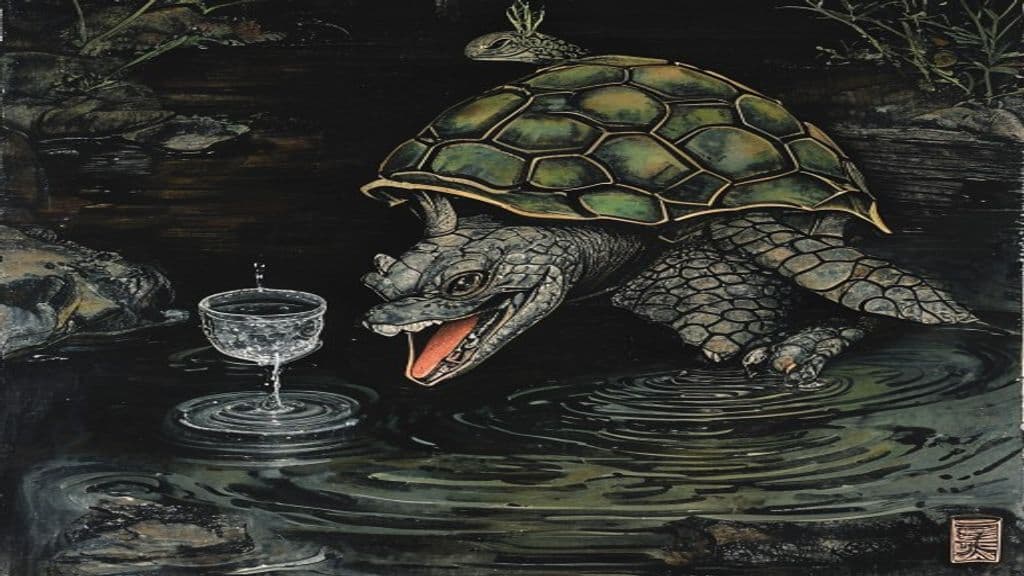
Kappa
A water-dwelling imp of Japanese folklore with a bowl of water on its head. Mischievous but bound by strict codes of politeness; dangerous near rivers.
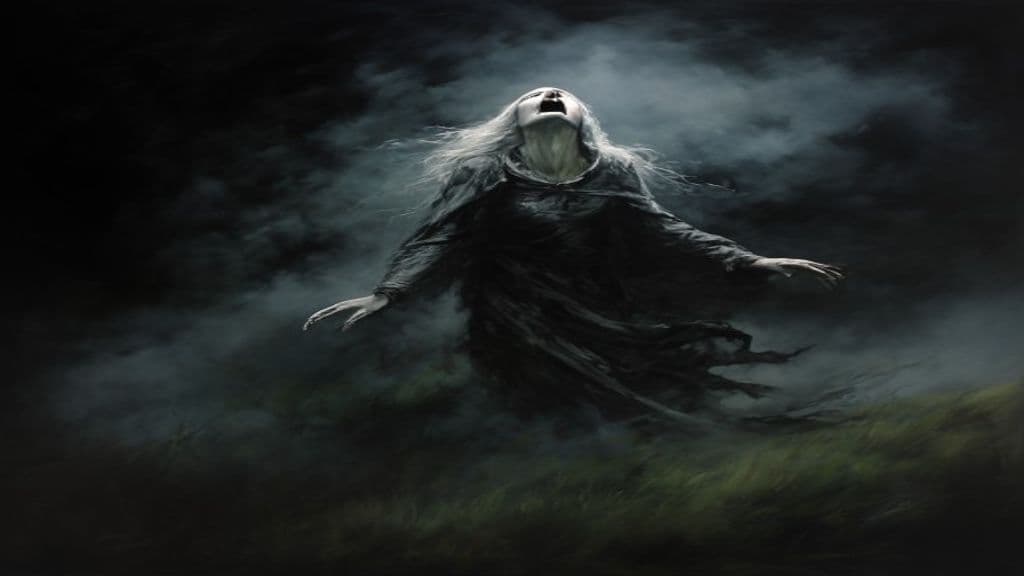
Banshee
A female spirit of Irish and Scottish folklore whose wail heralds an impending death in a family of Gaelic descent. Not a cause of death — a witness to it.
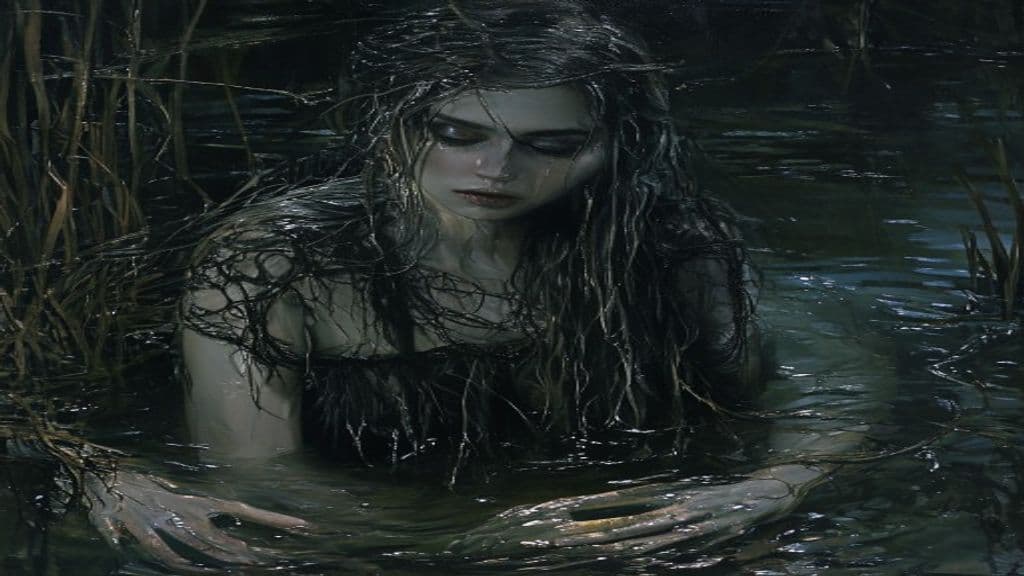
Rusalka
Water spirits in Slavic folklore — the spirits of young women who died by drowning or suicide, bound to rivers and lakes. Beautiful and dangerous, they can bewitch men to their deaths.
Community Record
- [1]Monster — Wikipedia. Wikipedia, 'Monster' article (etymology, definitions, cultural roles, examples)wiki