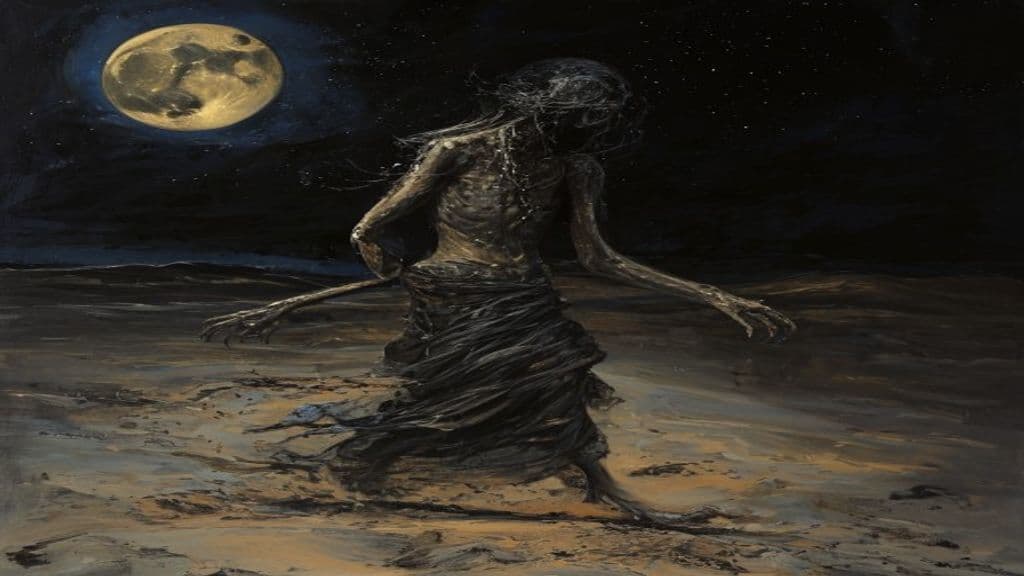
The Nasnas is documented in the Arabian Nights and in the works of classical Arab geographers who placed them in the remote regions of Yemen and southern Arabia. They are described as the offspring of a shaitan djinn and a human — inheriting partial forms from both parents. Al-Qazwini (13th century) describes them as having one eye, one hand, one foot, and half a body, moving with extraordinary agility by hopping. They were said to speak and could interact with humans, but were dangerous.
In some accounts the Nasnas was considered a degenerated form of humanity — a reminder of the consequence of humans mixing with djinn. In others they were a distinct species, ancient and pre-existing, found only in the wilderness regions of southern Arabia.
Half a human body — literally bisected vertically. One eye, half a mouth, one arm, one leg, half a torso. Despite this, capable of rapid movement through leaping. Covered in fur or rough skin in some accounts. Their half-human faces are the most disturbing feature — recognizable as human but profoundly wrong.
Extraordinary speed and agility despite the half-body form. Can blend into rocky or desert terrain. Their touch was said to be deadly or at minimum debilitating. In some accounts they could speak and engage in conversation, making them more dangerous than a purely bestial threat.
Weaknesses
- mantraIslamic protective invocations
- substanceIron
Wards
- ritualStaying in groups when in wilderness
- mantraBismillah spoken aloud
Djinn
The class of supernatural beings created from smokeless fire in Islamic cosmology — a parallel civilization to humanity, capable of belief or unbelief, with their own prophets, society, and judgment before God.
Jann
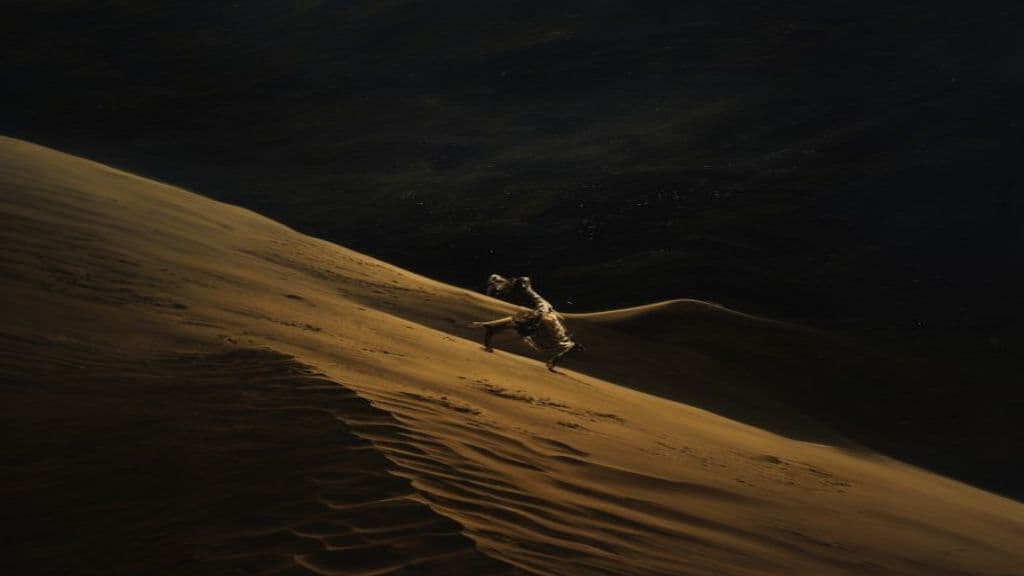
The weakest class of djinn in Islamic tradition, associated with desert winds and taking the form of snakes or whirlwinds, dwelling in empty wilderness and posing little threat to those who know the proper invocations.
Shaitan
A class of corrupted djinn who follow Iblis and dedicate themselves to leading humans astray — distinct from Iblis himself, the Shayatin are a species of evil djinn who whisper doubts and temptations into the minds of the living.
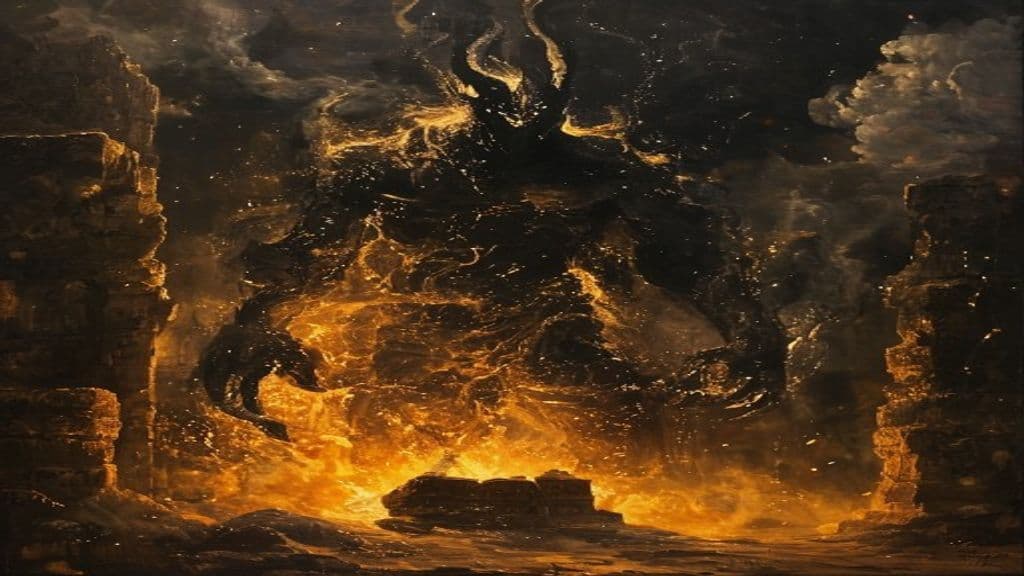
Ifrit
One of the most powerful classes of jinn in Islamic and pre-Islamic Arab tradition — a fire-born being of immense strength and cunning, capable of great works of engineering and terrible violence.
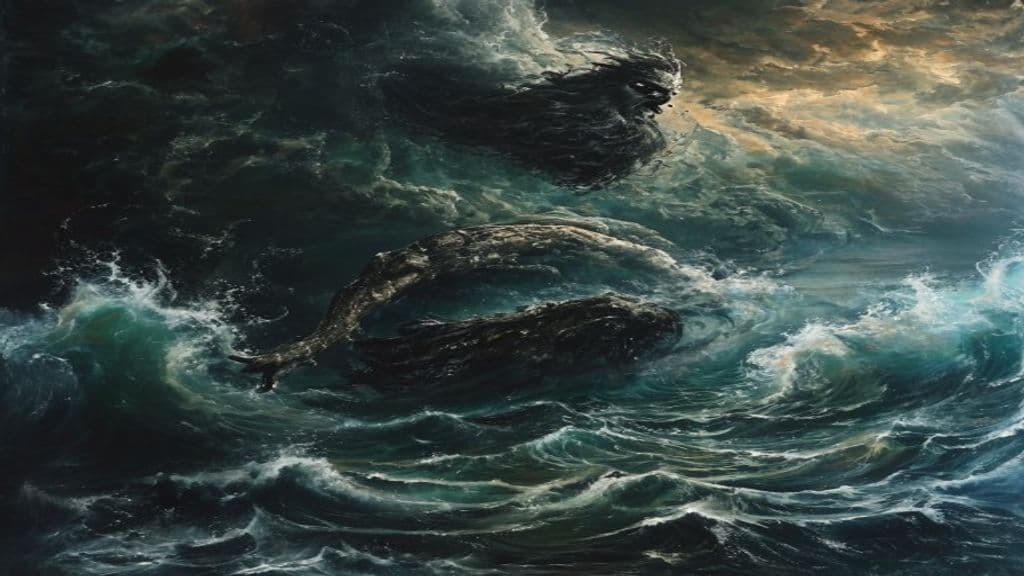
Marid
The most powerful class of jinn in Islamic tradition — beings of the sea, associated with the deep ocean, storms, and the granting of wishes at terrible cost. The classic genie of the Arabian Nights.

Sila (Si'la, Si'lat)
A jinn-like, chiefly female shapeshifting spirit from Arabian folklore, the Sila (Si'la/Si'lat) is associated with desolate desert places where it misleads travellers, seduces men, and may intermarry with humans. Early sources equated it with the ghoul; later traditions treat it as the female counterpart of ghoul-type beings.
Community Record
- [1]Aja'ib al-Makhluqat. Al-Qazwini, Zakariya ibn Muhammad. c. 1270 CE. Aja'ib al-Makhluqat wa Ghara'ib al-Mawjudat. Frankfurt.academic
- [2]One Thousand and One Nights. One Thousand and One Nights (Alf Layla wa-Layla). Various manuscripts, 9th–14th century CE.literary