
In Sumerian mythic tradition the goddess Sud, tutelary deity of Shuruppak, is married to Enlil and, in the narrative preserved in the myth Enlil and Sud (also called Enlil and Ninlil), receives the name Ninlil upon marriage to Enlil. Genealogical attributions vary in the sources: some lists and hymns give Nisaba and Haya as parents in certain traditions, while other god‑list traditions and hymns reflect differing local filiations. Over time the figure known as Ninlil is syncretized with regional goddesses (Sud) and later appears in Akkadian/Assyrian contexts under Mullil/Mullissu and related forms.
The cited sources do not preserve a consistent iconographic portrait. Literary hymns and adabs emphasize majestic epithets rather than bodily detail — e.g., “comprehensively replete with numerous divine powers,” “Equal to the Great Mountain,” and “pre‑eminent over heaven and earth.” Thus surviving descriptions foreground rank, power, and metaphoric imagery instead of fixed visual attributes or costume.
Texts and hymns attribute to Ninlil a role sharing with Enlil in the assignment of destinies and the appointment of other deities to offices; she is a mother figure to important gods in several traditions (commonly cited children include Nergal, Nanna, and Ninurta though genealogical details vary). In temple hymns she appears as a source of divine authority invoked in royal ideology, and in some compositions she is explicitly called a healing goddess through syncretism with Sud or other maternal/healing figures. In intercultural contexts she can be equated with or serve as the consort analogue to foreign high gods and in some Hurrian texts functions as a divine witness in treaties.

Enlil
Enlil is a principal deity of ancient Mesopotamia, originally preeminent in the Sumerian pantheon as a supreme lord who orders the world by separating heaven (An) from earth (Ki). His principal cult center was the E-kur temple at Nippur, and his cult practices focused on daily offerings and priestly care of his cult statue; mythic traditions portray him as both benefactor and punisher in the administration of cosmic and social order.
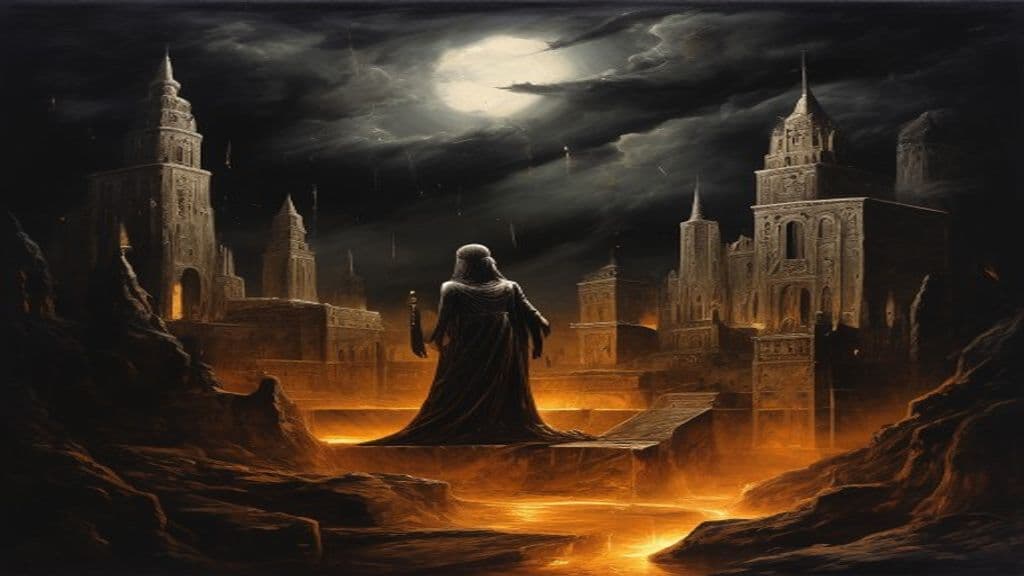
Mullissu
Assyrian goddess and consort of Asshur, associated with fertility, marriage, and family. (Note: 1. Power tier: Based on her association with a major deity (Asshur) and potential identity with Ninlil, a goddess on par with Enlil, Mullissu's power tier should be Primordial or Ancient, not Greater.)
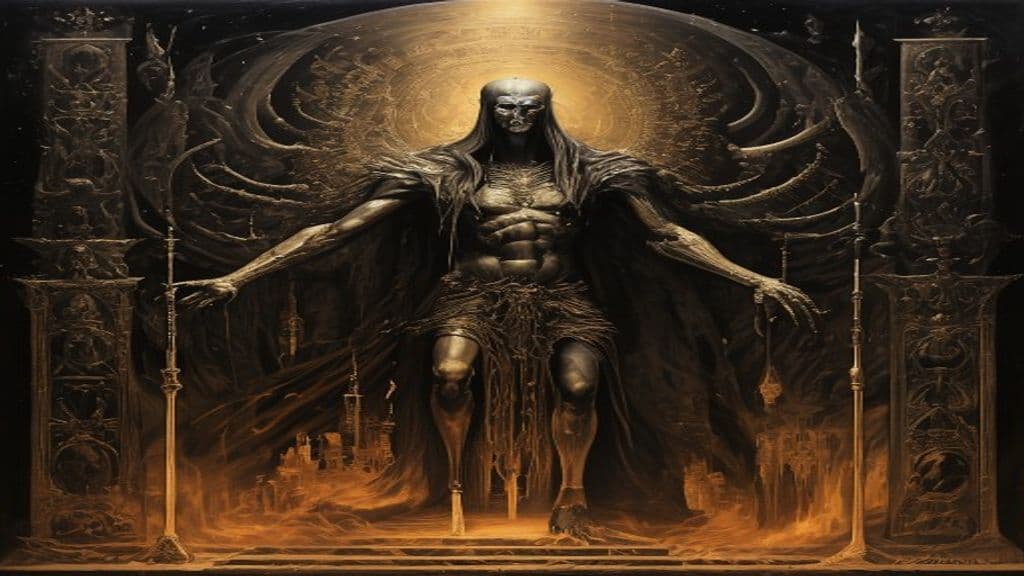
Nergal
Nergal is a major Mesopotamian deity associated with war, disease, inflicted death, and rulership of the underworld. Principal cult center at Kutha (temple E‑Meslam), he appears in hymns and myths (e.g., the Epic of Erra, "Nergal and Ereshkigal") and is sometimes equated with or called Erra or Meslamtaea.
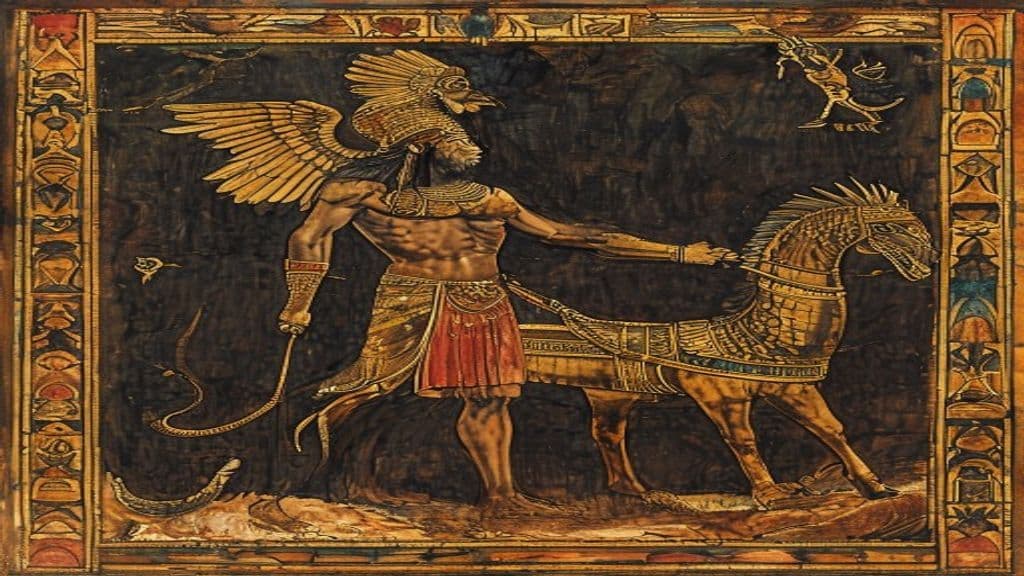
Ninurta
Ninurta is a major deity of ancient Mesopotamia (Sumerian–Akkadian–Assyrian–Babylonian) whose roles include agriculture, healing/exorcism, law and scribal authority, and martial champion of the gods. He is attested from the mid-third millennium BC onward and was venerated at city cult-centers such as Nippur (Eshumesha), Girsu/Lagash (as Ninĝirsu), and later in Assyrian Kalhu.
Community Record
- [1]Ninlil. Wikipedia article 'Ninlil'wiki
- [2]An adab to Ninlil (Ninlil A): translation. ETCSL translation 'An adab to Ninlil (Ninlil A)'academic
- [3]Enlil and Ninlil. Wikipedia article 'Enlil and Ninlil' (myth summary)wiki
- [4]Electronic Text Corpus of Sumerian Literature (Enlil and Ninlil text). ETCSL: 'Enlil and Ninlil' (Sumerian text)academic
- [5]Gateways to Babylon: Ninlil - goddess of Nippur. GatewaysToBabylon entry on Ninlilother
- [6]Ninlil's Descent (retelling / mythic material). Site retelling of Ninlil mythic materialother
- [7]Liber Ninlil (archive item — modern esoteric text, not treated as primary ancient evidence). Archive.org item 'Liber Ninlil'other