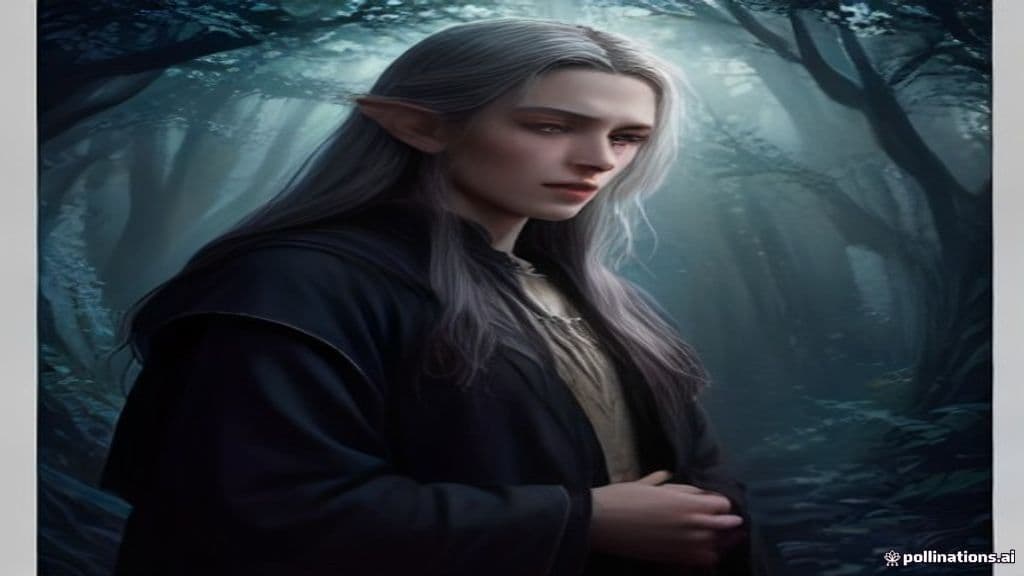
In Tolkien's legendarium the Elves first awoke at Cuiviénen; the Noldor became one of the principal clans who journeyed west and settled in Valinor under Finwë, dwelling chiefly at Tirion upon Túna in Eldamar. As Calaquendi they had seen the light of the Two Trees. Following the theft of the Silmarils, the murder of Finwë, and the instigation of Melkor, many of the Noldor left Valinor in the event called the Flight (or Exile) of the Noldor and returned to Middle-earth, where their deeds, rivalries and wars (recorded primarily in The Silmarillion) shaped the history of the First Age.
Sources describe the Noldor as tall and physically strong. Tolkien variously noted their hair as very dark brown or possibly black, with occasional red or white (silver) hair; eyes are usually grey or dark but are said to reflect the 'inner light' of Valinor. They are classed among the Calaquendi (High Elves who saw the Two Trees), a status reflected in their bearing and the esteem of others. Sindarin appellations for their appearance include terms often rendered 'flame-eyed' (lachend) in commentary.
The Noldor are characterized by exceptional cultural skills rather than innate magical powers in the provided sources: they excel in craftsmanship (lapidary, metalwork, embroidery), inventive arts (creation of scripts and learned lore), language and poetry, and in warfare and leadership. Notable individual achievements cited in the tradition include Rúmil's Sarati and Fëanor's Tengwar and the forging of the Silmarils. Morally and socially they are marked by a strong drive for knowledge, naming and making, and a pride and ambition that frequently lead to internal conflict and tragedy.
Weaknesses
- conditionpride and overreaching ambition
- otherbinding consequences of oaths (notably the Oath of Fëanor) and the Doom of Mandos
Wards
- otherfortified works and strongholds (e.g., Nargothrond, Gondolin) — defensive constructions used by Noldor realms
- otherpolitical and military measures (alliances, armies) as protection against enemies
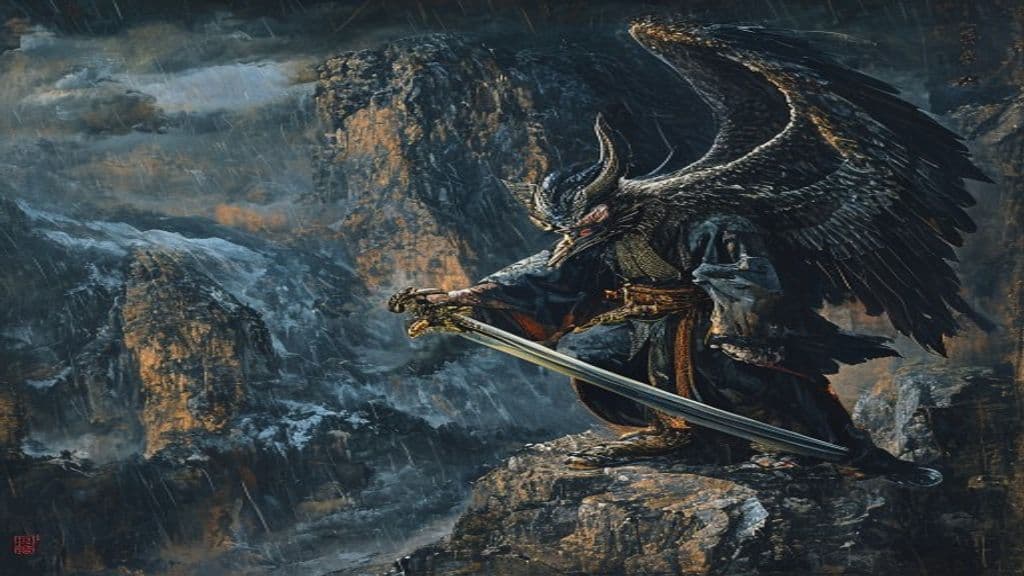
Tengu
Proud, warrior-like mountain spirits of Japan, associated with martial arts, pride, and the wild mountains. Neither fully good nor evil — they test and train warriors and monks, but punish the arrogant.
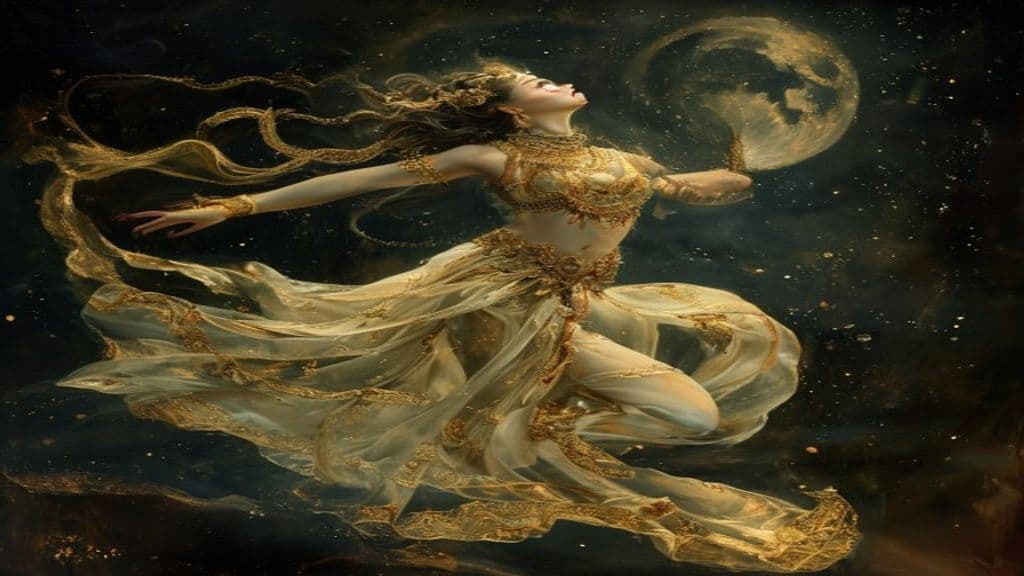
Apsara
Celestial dancers and water nymphs of Hindu cosmology — beautiful semi-divine beings who dance at the court of Indra and, by his command, descend to earth to distract sages from excessive asceticism.
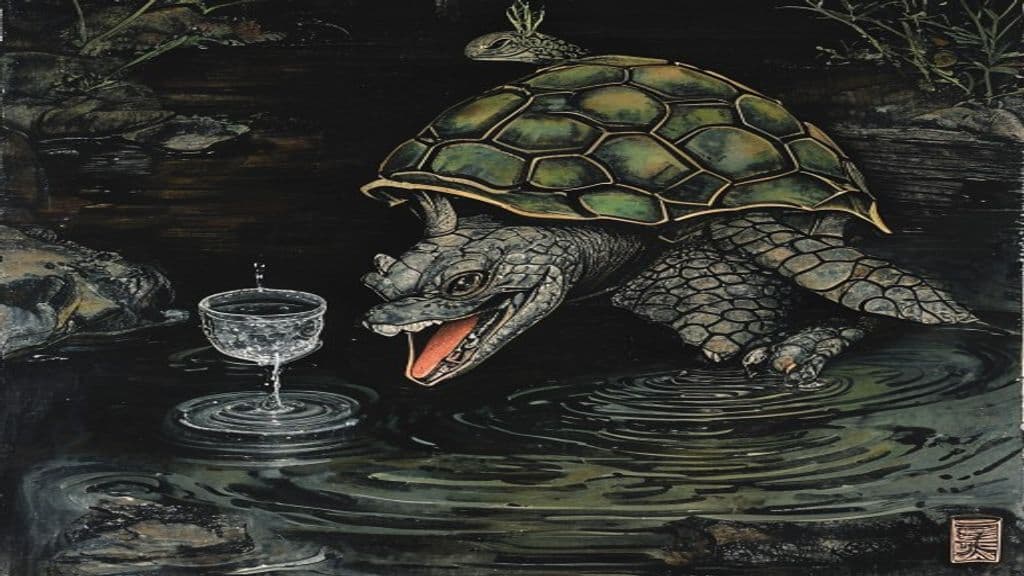
Kappa
A water-dwelling imp of Japanese folklore with a bowl of water on its head. Mischievous but bound by strict codes of politeness; dangerous near rivers.
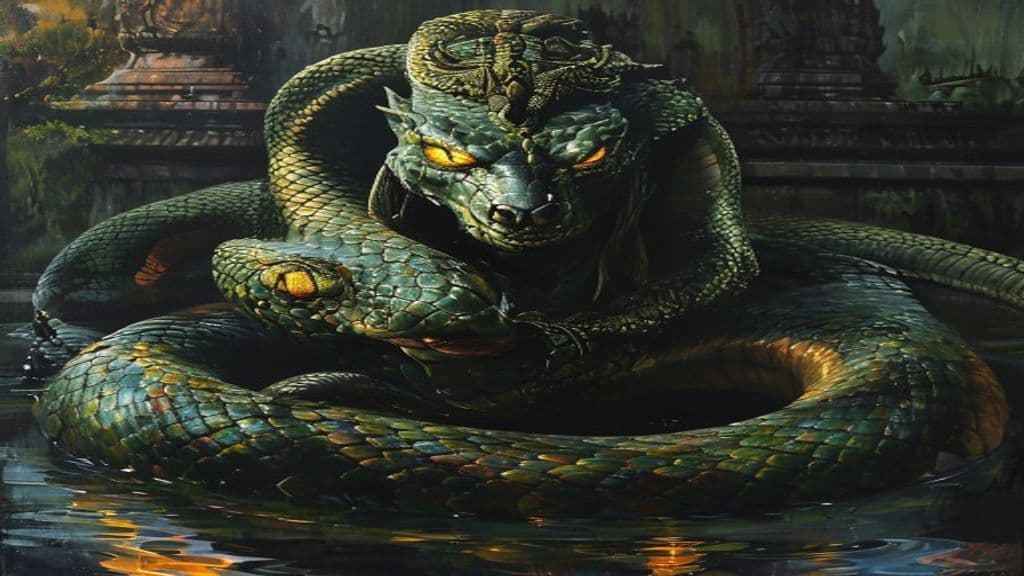
Naga
Divine serpent beings of Hindu, Buddhist, and Jain cosmology — powerful guardians of water, earth, and underground treasures. Revered as deities in South and Southeast Asia.
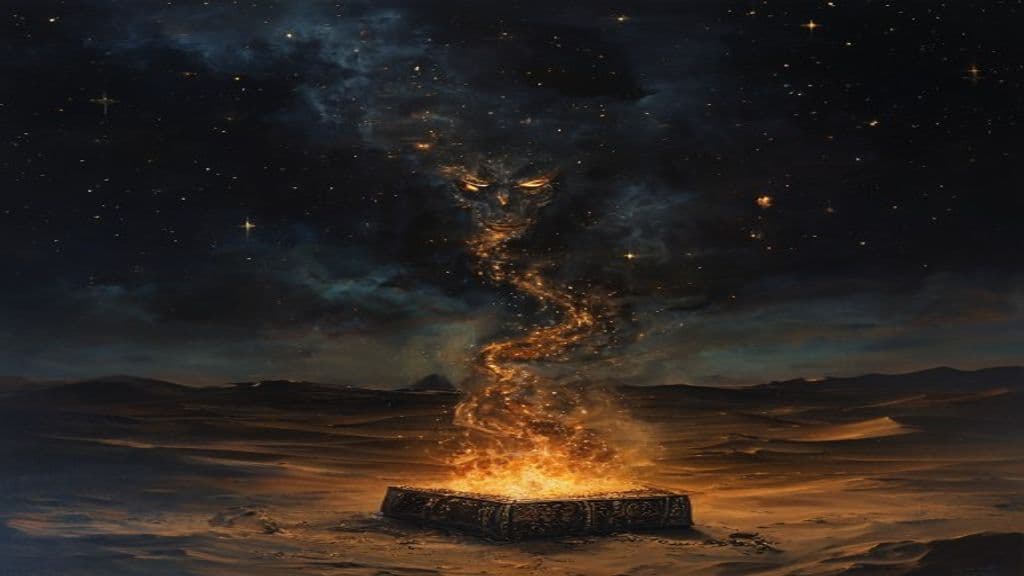
Djinn
The class of supernatural beings created from smokeless fire in Islamic cosmology — a parallel civilization to humanity, capable of belief or unbelief, with their own prophets, society, and judgment before God.
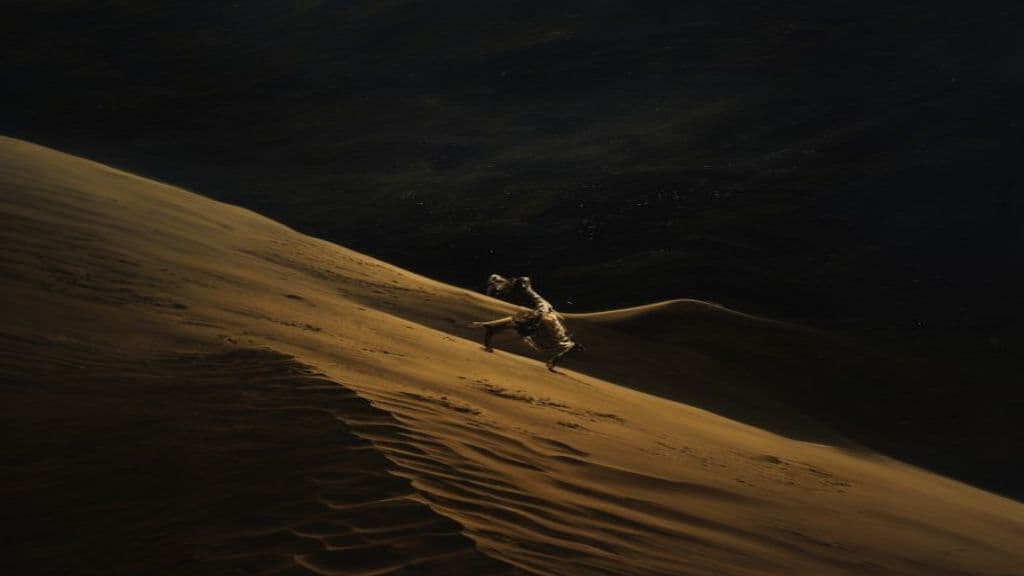
Jann
The weakest class of djinn in Islamic tradition, associated with desert winds and taking the form of snakes or whirlwinds, dwelling in empty wilderness and posing little threat to those who know the proper invocations.
Community Record
- [1]Noldor — Wikipedia. Wikipedia, 'Noldor' article (summary of Tolkien's legendarium material).wiki
- [2]Noldor — Wikidata. Wikidata entry for Noldor (structured data referencing Tolkienian sources).wiki
- [3]Dagor Bragollach Civilization 2 Scenario v4.02 (CiC). Archived Civilization II scenario 'Dagor Bragollach' (derivative summary drawing on The Silmarillion).other
- [4]War of the Jewels Civilization 2 Scenario v1.0 (MGE). Archived Civilization II scenario 'War of the Jewels' (derivative summary drawing on The Silmarillion).other