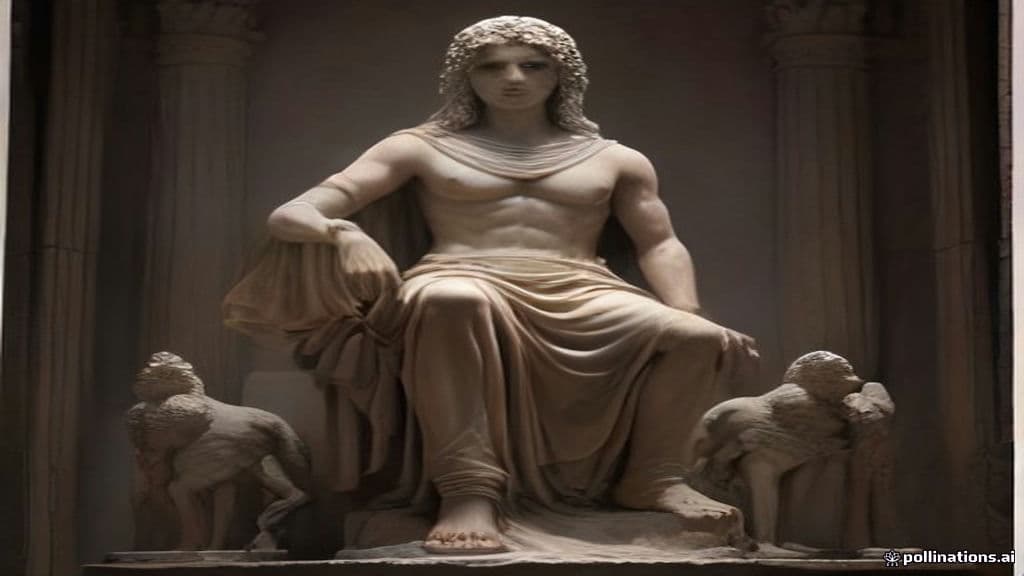
Pylaeus is presented in the epic-genealogical networks of Greek tradition as the son of Lethus and grandson of Teutamides, making him a descendant of Pelasgus — an ancestral figure associated with early autochthonous peoples in Greek myth. Within the Trojan War cycle he appears as one of King Priam's allies, commanding the Pelasgian forces alongside his brother Hippothous. Later commentators record local traditions: Strabo reports that on Lesbos Pylaeus was said to have commanded the Lesbian army and that a mountain on the island bore his name; Ausonius, in a later Latin poetic context, reports that Pylaeus and his brother were buried "in a garden," while Dictys Cretensis relates that the brothers fell together in battle.
The consulted sources do not provide a physical or iconographic description of Pylaeus. He is attested only through genealogical listings and martial role — named as a commander and son/descendant in epic and local traditions — and no details of stature, armor, facial features, or distinctive attributes are given in the cited material.
Sources attribute secular/military capacities to Pylaeus: he is recorded as a commander of the Pelasgian contingent in the Trojan War and, in a Lesbos tradition, as commander of the Lesbian army. There is no indication in the provided material of any supernatural powers, prophetic faculties, or magical abilities. The same name appears elsewhere as an epithet of Hermes, but the sources do not connect that divine usage to the historical/mythic person Pylaeus or ascribe divinity to him.

Hippothous
Hippothous (Ancient Greek: Ἱππόθοος, romanized Hippóthoos, lit. 'swift-riding') is not a single supernatural being but a personal name borne by multiple mortal figures in Greek myth and literature, who appear as princes, warriors, hunters, and kings across traditions such as the Danaid cycle, the Calydonian boar hunt, the Trojan War, Arcadian and Athenian genealogies, and Hellenistic romance.
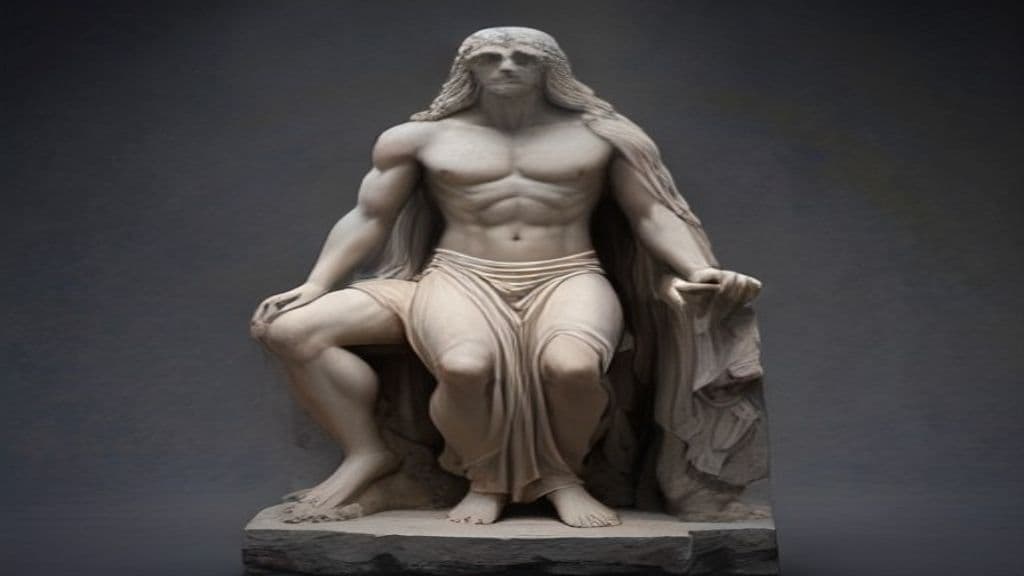
Pelasgus
Pelasgus (Πελασγός) is a mythic ancestral and eponymous founder figure in ancient Greek tradition credited in various local accounts with founding cities, teaching agriculture, receiving Demeter, and giving his name to the Pelasgians and regions such as Pelasgiotis. He appears across competing regional genealogies (Argive, Arcadian, Thessalian) rather than as a standardized supernatural being.
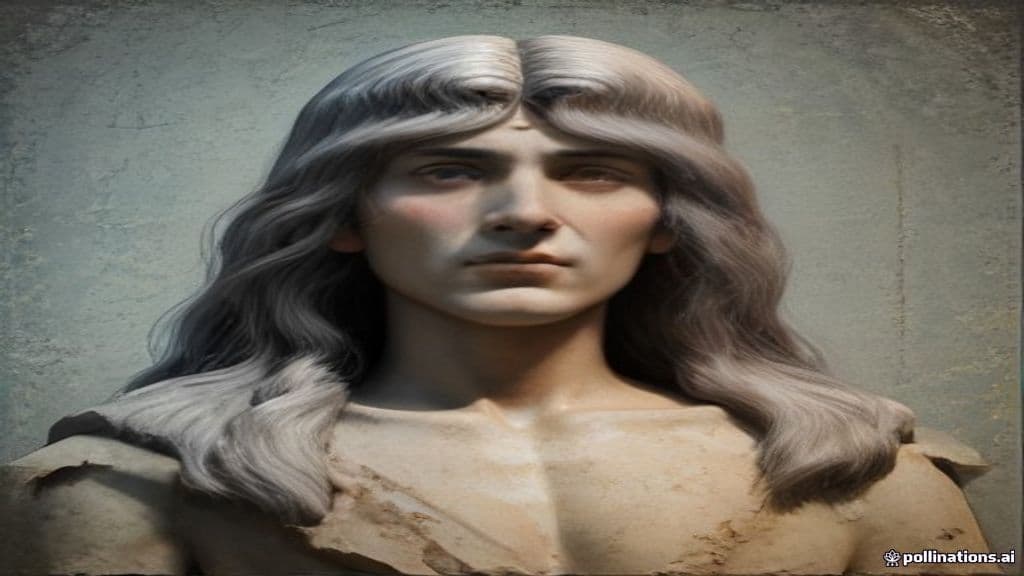
Priam
Priam is the legendary king of Troy in Greek and Roman epic tradition, an aged sovereign and father figure whose grief, supplication, and death are central episodes in the narratives of the Trojan War. He is portrayed as a mortal ruler embedded in a cosmos of gods and fate rather than as a supernatural being.

Hermes
Hermes is an Olympian god in ancient Greek religion who functions as the herald of the gods, an intermediary between mortal and divine realms, and a psychopomp guiding souls to the afterlife. He is associated with travel, boundaries, commerce, thieves, oratory, and liminality; in Hellenistic contexts he is syncretized with Egyptian Thoth as Hermes Trismegistus.
Community Record
- [1]Pylaeus — Wikipedia. Wikipedia, 'Pylaeus'wiki
- [2]Dictys Cretensis, The Trojan War. Dictys Cretensis, account of the Trojan War (as cited in source notes stating Pylaeus and Hippothous "fell in battle together")literary
- [3]Strabo, Geographica. Strabo, Geographica (comment on Homeric passage noting Lesbos tradition that Pylaeus commanded the Lesbian army and a mountain named Pylaeus)literary
- [4]Ausonius (late Latin poet). Ausonius, noted as stating Pylaeus and his brother were buried 'in a garden' (late poetic tradition)literary
- [5]Wikidata: Pylaeus. Wikidata entry Q7263074 for Pylaeuswiki