
Sadyojata is not presented in the cited material as an independently originated mythic personality but as one of the five faces or mouths through which Śiva manifests his fundamental activities and shaktis. In Śaiva theological and tantric discourse the pañcānana / pañcabrahma schema (Iśāna, Tatpuruṣa, Sadyojata, Vāmadeva, Aghora) is used to account for Śiva's fivefold powers and for the revelation of tantric scriptures (the five mouths are said to reveal the Bhairva tantras). This doctrinal framing appears across Purana-, Agama-, and Kashmir Śaivism-inflected sources and is reflected also in temple naming and popular devotional invocation.
Sadyojata ordinarily appears as one of the faces on pancha-mukha (five-faced) Śiva liṅga icons (mukha-liṅga), where each face shares the overall iconographic scheme of the five-aspect liṅga (crowns, hair styles, and placement as representations of Śiva's manifold presence). Some textual traditions assign particular cardinal orientations to the faces (for example, one editorial source notes Sadyojata associated with a western face in certain texts), and regional temple practice names individual swayambhu liṅgas after the five faces (e.g., Sri Panchalingeshwara Temple, Vittal). The supplied sources do not provide a standalone, consistent set of color, hand-attributes, or unique ornaments specific to Sadyojata alone.
Within the pañcānana schema Sadyojata is one of the five operative energies through which Śiva enacts cosmic functions commonly summarized across sources as creation, preservation, destruction, concealing grace, and revealing grace. Kashmir Śaivism links the five mouths to five shaktis (Citiśakti, Ānandashakti, Icchāśakti, Jñānashakti, and Kriyāshakti) and states that when these energies unite they reveal sixty-four Bhairvatantras; Sadyojata therefore participates in tantric revelation and doctrine as an aspect of divine power. Devotional material and hymnic addresses also invoke Sadyojata (alongside the other faces) as a grantor of liberation (mokṣa) by grace, though the sources present such soteriological petitions as part of collective devotion to the faces rather than as empirical descriptions of unilateral acts performed solely by Sadyojata.
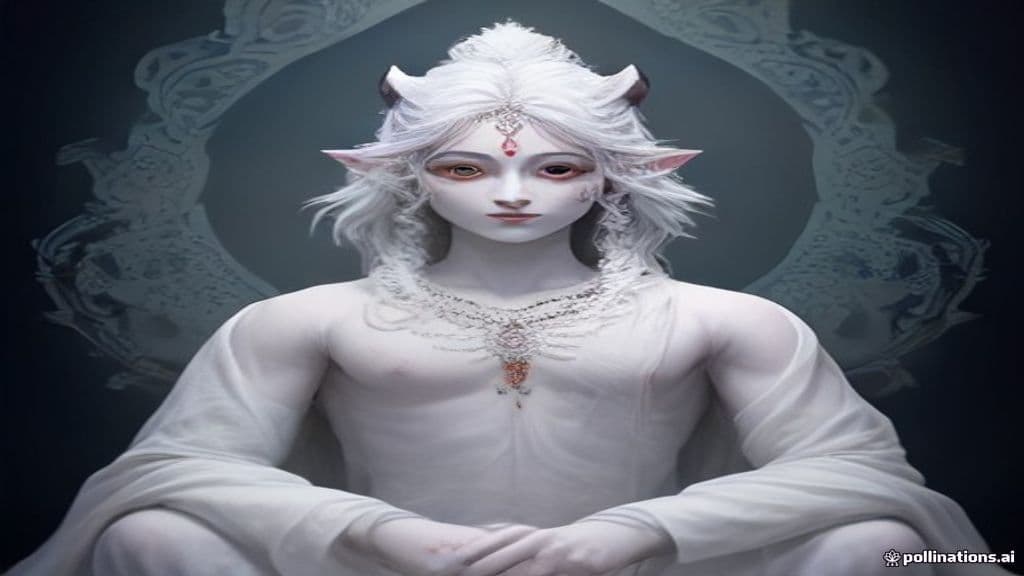
Ishana (Īśāna)
Ishana is a Pañchabrahma aspect of the god Śiva and the dikpāla (directional guardian) of the northeast in Hindu tradition. Presented across Vedic, Āraṇyaka, and Purāṇic materials, Ishana is an auspicious, immanent and presiding form associated with speech, knowledge, and ritual sanctification rather than an independent or malign spirit.
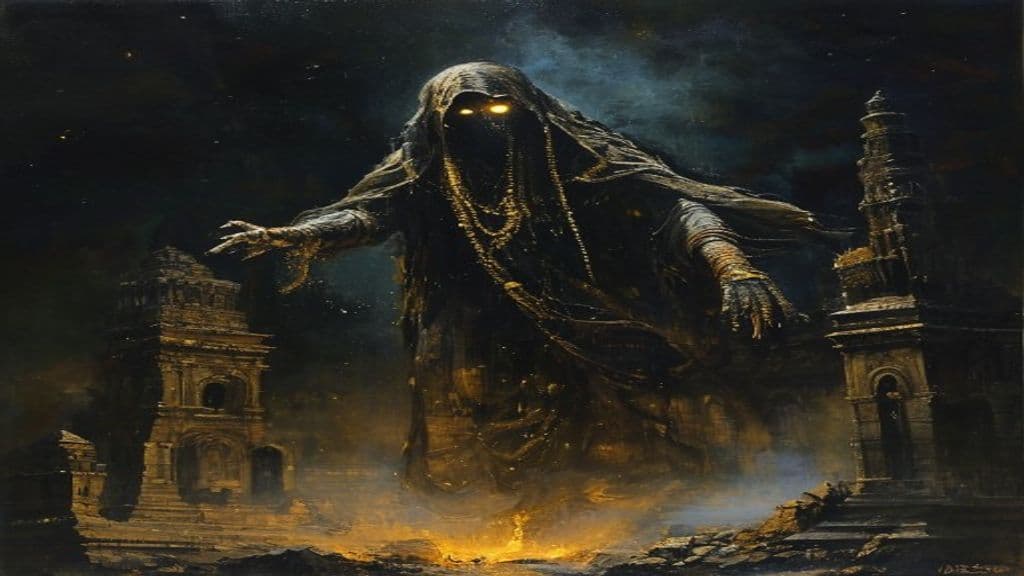
Brahmarakshas
The most learned and terrible of spirits — the ghost of a Brahmin who misused his scriptural knowledge in life and was condemned after death to be both demon and scholar, haunting places of learning.
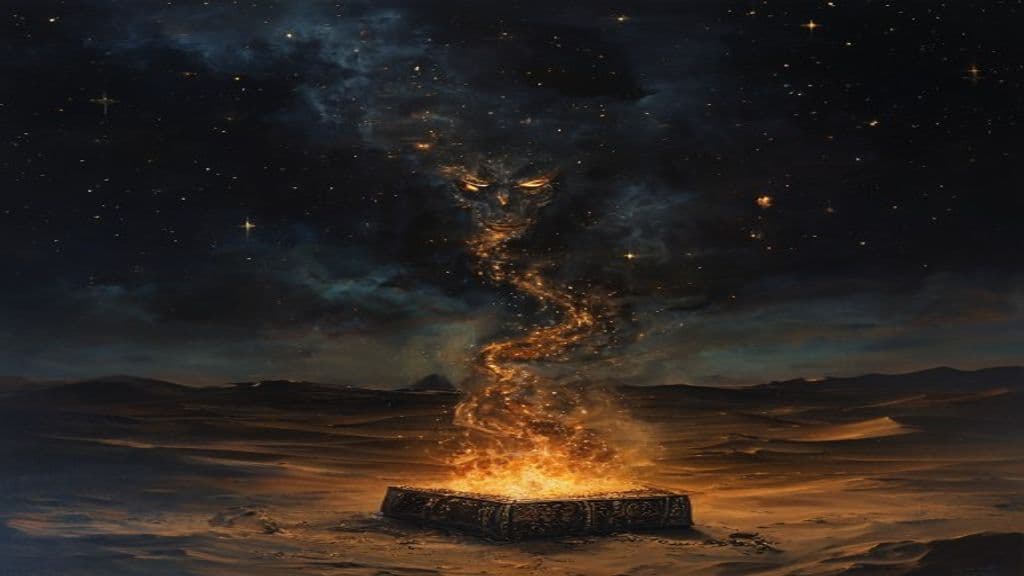
Djinn
The class of supernatural beings created from smokeless fire in Islamic cosmology — a parallel civilization to humanity, capable of belief or unbelief, with their own prophets, society, and judgment before God.
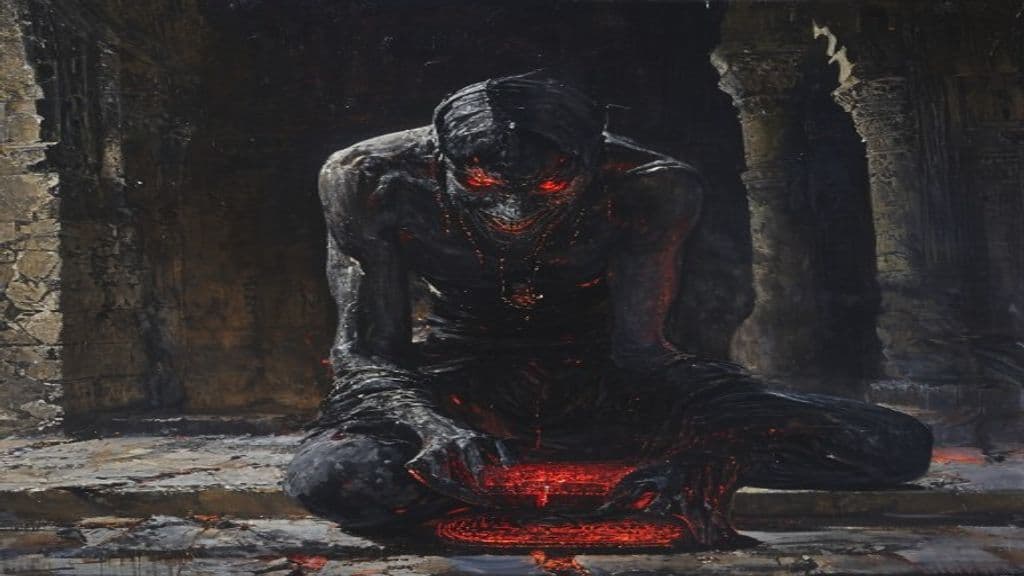
Shaitan
A class of corrupted djinn who follow Iblis and dedicate themselves to leading humans astray — distinct from Iblis himself, the Shayatin are a species of evil djinn who whisper doubts and temptations into the minds of the living.
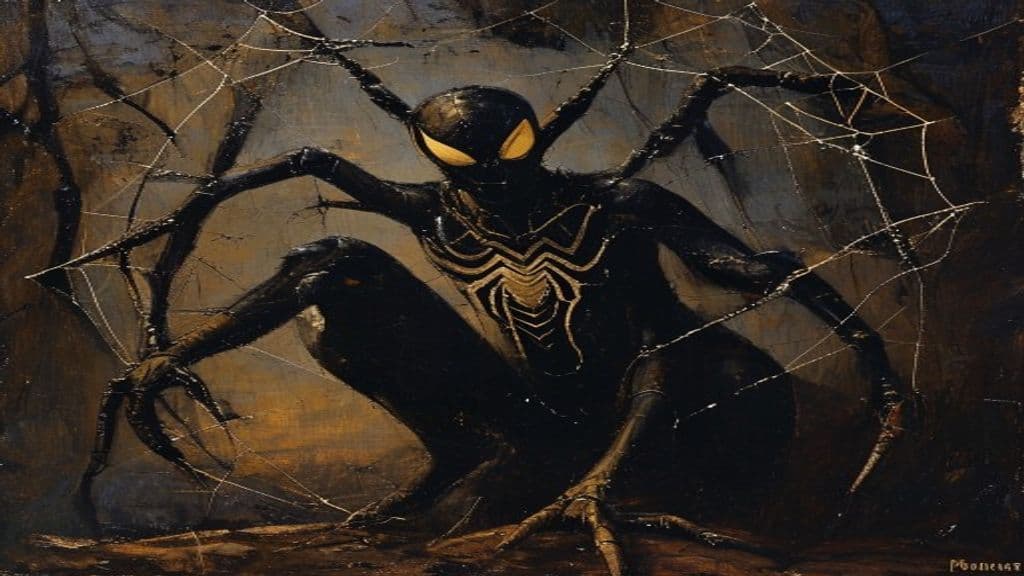
Anansi
The spider trickster god of Akan folklore — cunning, mischievous, and wise. Keeper of stories and teacher of human beings, brought through the slave trade into Caribbean and African-American tradition.
Community Record
- [1]Pañcānana (Wikipedia). Wikipedia: Pañcānana – summary of the pañcānana/pañcabrahma schema and its five activitieswiki
- [2]Mukhalinga (Wikipedia). Mukhalinga – discussion of five-aspect liṅga iconography and the claim that the five aspects represent the entire universewiki
- [3]Sri Panchalingeshwara Temple, Vittal (temple guide excerpt). Temple guide listing five swayambhu Śiva liṅgas named Vamadeva, Tatpurusha, Aghora, Sadyojata, Iśana and noting daily pūjās and sevasother
- [4]Kashmir Shaivism (archive excerpt). Kashmir Śaivism source stating tantras are revealed through the five mouths (Iśana, Tatpuruṣa, Sadyojata, Vāmadeva, Aghora) and listing the five shaktis and the revelation of sixty-four Bhairvatantrasother
- [5]Devotional citation (Hinduism StackExchange excerpt). Quoted devotional salutation addressing Sadyojata and petitioning for liberation from rebirthother
- [6]Wikidata: Sadyojata. Wikidata entry for Sadyojata listing it as one of the pañcānanaother
- [7]Hinduist Kingdoms Big Crunch Adi Prakriti Shiva (archive). Name lists and references to the five-faced Śiva names included in the provided excerptsother
- [8]Srimad Bhagavatam: Canto 8 - Chapter 7 (listing). Scriptural listing of names associated with Śiva tradition as cited in the notesliterary