In the epic and Purāṇic genealogical frameworks cited in the sources, Takṣaka belongs to the world of nāgas (serpent races) and appears in lineage lists (for example: from Viśvabahu came Praśenajit, from Praśenajit came Takṣaka, per Srimad-Bhāgavatam chapter citation). He is also treated as offspring of the serpent-kin (nāgas/sarpas) in the broader narrative matrix associating serpent races with Kāśyapa and Kadru (as present in the Purāṇic/epic contexts referenced).
The provided sources identify Takṣaka as a great serpent or dragon and as a named serpent-king (Hindupedia; Flower Adornment Sutra commentary). Specific physical details (color, exact size, anthropomorphic features) are not supplied in the excerpts; descriptions in the sources are limited to his status as a serpent/dragon and leader among nāga races.
Across the cited traditions Takṣaka acts as an agent capable of killing a human king (he bites and kills King Parīkṣit in Mahābhārata-related accounts), of defending or inhabiting particular loci (the Khandava Forest is described as his home and under Indra's protection in a Mahābhārata episode summary), and of participating in cosmic combats (Vaishnava retellings describe a ferocious battle with Garuḍa). He can also seek and obtain divine protection (narratives record him obtaining Indra's protection after confession/repentance) and in Buddhist commentary he appears as a Dragon King who praises or awakens to the Buddha's teaching.
Weaknesses
- ritualvulnerability to sarpa-yajña (narrative target of Janamejaya's snake-sacrifice)
- conditionmoral remediation (confession and repentance can alter his fate; narrative states he obtained Indra's protection after confessing and repenting)
Wards
- ritualsarpa-yajña (snake-sacrifice) — royal large-scale ritual organized by King Janamejaya to punish serpent-kin
- otherdivine protection/petition (appeal to gods such as Indra or, in Vaishnava/Buddhist retellings, intervention by Avalokiteśvara) — functions narratively to protect or spare Takṣaka
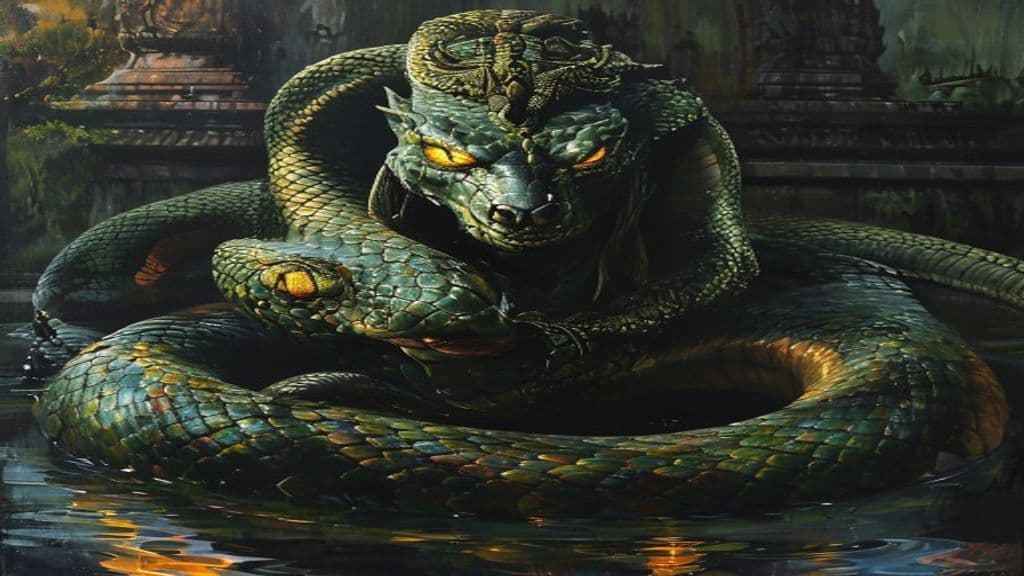
Naga
Divine serpent beings of Hindu, Buddhist, and Jain cosmology — powerful guardians of water, earth, and underground treasures. Revered as deities in South and Southeast Asia.
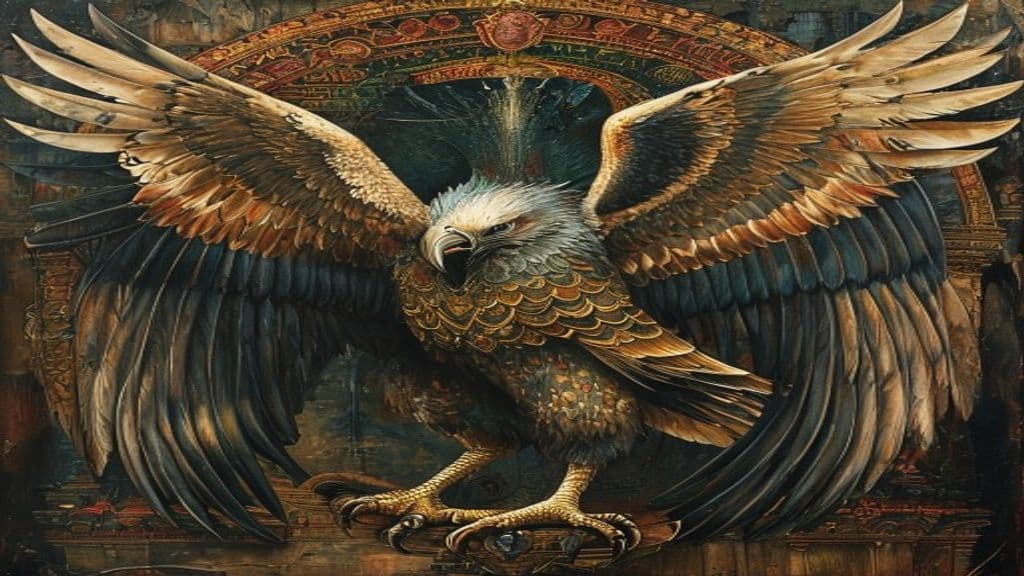
Garuda
Garuda is a divine, eagle-like being in South Asian traditions best known as the vahana (mount) of the god Vishnu. In Vedic, Purānic and later texts he appears as a powerful, solar-associated bird-personage who is both an individual mythic personality (son of the sage Kaśyapa and Vinatā) and an archetype invoked in temple iconography and theological metaphor.
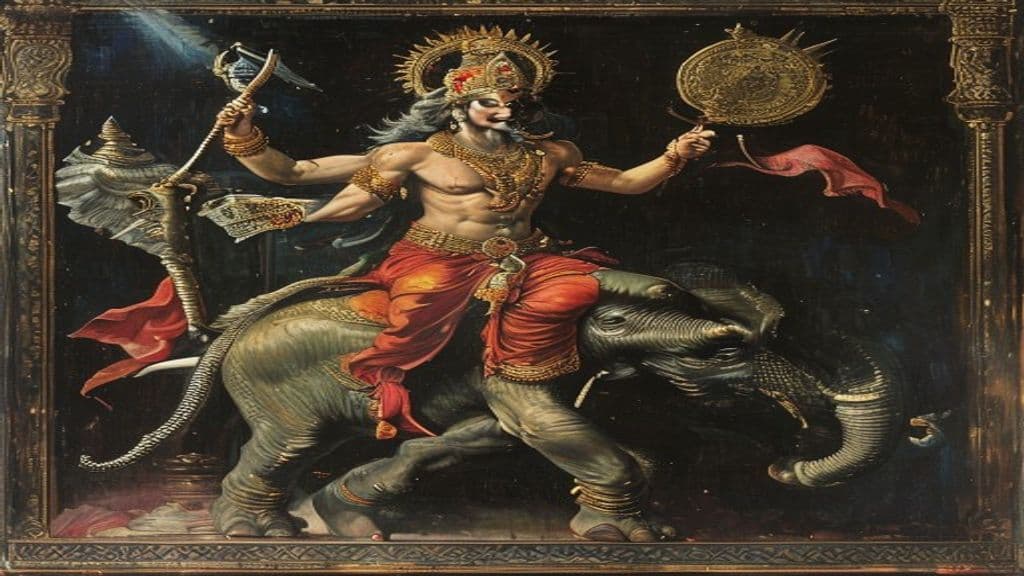
Indra
Indra is a major Vedic deity, king of the devas and lord of Svarga (heaven), associated primarily with the sky, storms, lightning, rain, rivers and martial heroism; he is central in the Rigveda and later appears across Hindu, Buddhist and Jain cosmologies with varying status.
Community Record
- [1]Takṣaka - Hindupedia, the Hindu Encyclopedia. Takṣaka, Serpent King. … He was the king of 27 races of serpents. He bit and killed the king Pariksit. Enraged by this, the king. Janamejayaliterary
- [2]Episode 18 - Arjun Slept Here (Archive.org) - summary referencing Khandava Forest. “the Khandava Forest, which was the home of Taksaka the snake and under the protection of Indra.” (Episode 18 summary)literary
- [3]King Janamejaya’s Snake Sacrifice (Mahabharata excerpt). “But Taksaka has not yet been seen. Indeed, Taksaka had sought and obtained the protection of Indra, confessing and repenting of all his evil deeds and ways.” (King Janamejaya’s Snake Sacrifice excerpt)literary
- [4]The Flower Adornment Sutra with Commentary 1, Part 3 (City of 10,000 Buddhas). “Taksaka Dragon awakens to this path. … This verse is spoken by the Dragon King Taksaka in praise of the Buddhas wisdom-light.” (Flower Adornment Sutra commentary)literary
- [5]The Sampradaya Sun - Feature Stories (Nov 2018 / Apr 2025 excerpts). “They believe that while Garuda and Taksaka were engaged in ferocious battle, Taksaka was fearful of Visnu's assisting Garuda, and prayed to Boddhisattva Avalokiteswara for his own safety. The compassionate Avalokiteswara stopped the battle...” (The Sampradaya Sun excerpts)literary
- [6]Srimad-Bhāgavatam (Chapter Twelve citation, Vedabase). TRANSLATION From Visvabahu came a son named Prasenajit, from Prasenajit came Taksaka, and from Taksaka came Brhadbala, who was killed in a fight by your father. (Srimad-Bhāgavatam citation)literary