
Sources present Tamatea Urehaea as a chiefly descendant in the Tākitimu genealogical corpus. He is described as the son of Rongokako (in some accounts) and grandson or descendant of Tamatea Arikinui / Tamatea Mai-Tawhiti; traditions vary regionally and sometimes conflate Tamatea Urehaea with his grandfather Tamatea Arikinui. He is associated with arrival from or descent linked to Hawaiki, and with leadership of a canoe (Tākitimu) and a crew of seventy men. His lineage and actions (including the birth of his son Kahungunu) are used to establish tribal descent and legal/ritual ties to particular lands.
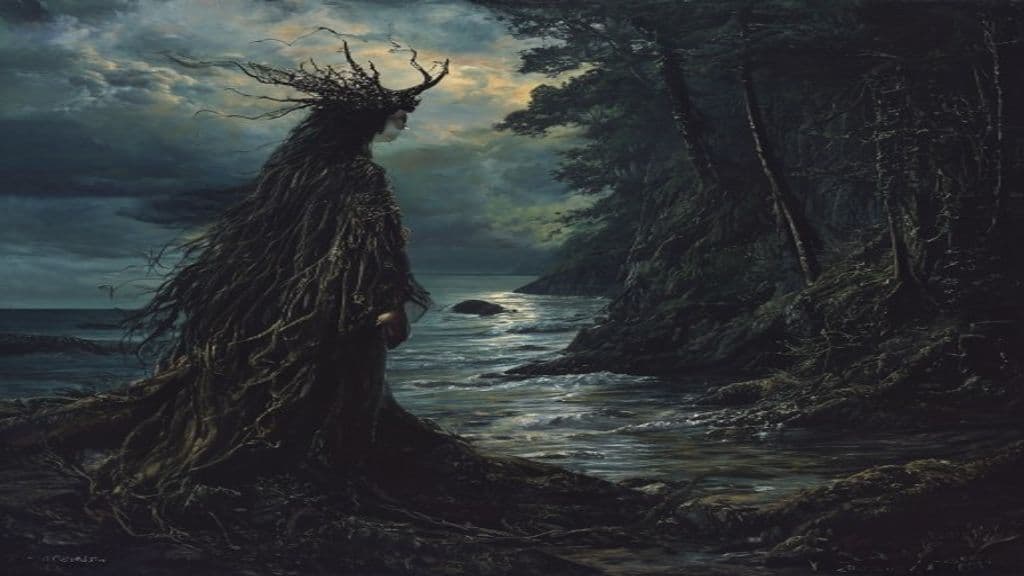
The available traditions represent Tamatea primarily through his deeds, names, and genealogical roles rather than a physical portrait; no detailed physical description (height, complexion, clothing) is provided in the cited sources. His epithets record bodily and performative aspects—Urehaea ('cut penis', indicating circumcision), Pōkai-moana ('explorer of the seas'), and Pōkai-whenua ('explorer of the land')—which encapsulate rites and accomplishments.
Accounts attribute to Tamatea exceptional practical skills and leadership: masterful navigation and exploration (traditions say he 'circumnavigated both islands of New Zealand'), commanding and provisioning the Tākitimu canoe with some seventy crew, founding settlements and establishing ritual land-links (notably burying his son Kahungunu's umbilical cord with three whatu-kura to create an iho-whenua), large-scale hunting (removing kererū in abundance at places renamed for food surplus), and undertaking major engineering efforts in warfare (attempting to dig a trench to flood Kaitaia). In regional mythic variants these historical acts are interwoven with landscape-transforming episodes (e.g., in a South Island account his wrecked canoe becomes the Takitimu Mountains and Tongariro's fire dries the strait); these are presented as localized mythic elaborations rather than standardized supernatural powers.
Weaknesses
- otherMortal human condition and social opposition
Wards
- otherNone recorded — Tamatea is a human ancestor and no apotropaic wards against him are given in the sources

Kahungunu
Kahungunu is a historical Māori ariki (chief) and eponymous ancestor of the Ngāti Kahungunu (and linked groups such as Te Aitanga‑a‑Māhaki) whose life‑narratives anchor whakapapa, land rights, and tribal identity. Traditionally placed in the waka Tākitimu lineage, he is portrayed as an industrious, physically large and capable chiefly founder active in settlement, warfare, courtship, and resource management, probably living around the late fifteenth century according to the sources.
Tamatea Arikinui
Historical Māori figure, renowned ariki and leader who played a significant role in the settlement of New Zealand. (Note: - Power tier should be Primordial since historical Māori figures are considered to have had significant cosmic influence. - Abilities need clarification; while negotiation, strategic planning, diploma)
Tama-te-kapua
Māori trickster figure who arrived in New Zealand on the Arawa canoe, known for mischief and thievery. (Note: 1. Power tier: Primordial (Tama-te-kapua's actions have cosmic implications, such as disrupting ancestral traditions and causing significant conflict.) 2. Appearance: Should be mentioned that no physi)
Tama-te-rangi
Tama-te-rangi was a historical Māori rangatira (chieftain) of Ngāti Kahungunu, ancestor of Ngāi Tamaterangi, remembered in tribal whakapapa and history for his leadership in warfare, alliance-making, and the proverb-laden episode concerning the tohi ritual and ceremonial clothing.
Tamamo-no-Mae
A legendary shape‑shifting fox‑spirit figure in Japanese mythology who, in otogizōshi and later Edo folklore, appears as a favored courtesan in imperial courts, causes a ruler's illness and political disorder, and—after death—was said to embed her spirit in the poisonous Sesshō‑seki stone until Buddhist rites pacified her.
Tamarereti
Tamarereti is a southern Māori (Ngāi Tahu / Kai Tahu) ancestral voyager and legendary navigator whose name is given to a southern-sky star-figure Te Waka o Tamarereti. His voyage narratives connect human voyaging, celestial navigation, and memories of southern phenomena such as floating ice and the Aurora Australis.
Tamatea Arikinui
Historical Māori figure, renowned ariki and leader who played a significant role in the settlement of New Zealand. (Note: - Power tier should be Primordial since historical Māori figures are considered to have had significant cosmic influence. - Abilities need clarification; while negotiation, strategic planning, diploma)
Tamatea Pokai Whenua
Tamatea Pokai Whenua (also Tamatea Pōkaiwhenua, Tamatea Urehaea) is remembered in Māori sources as an important ariki (chieftain) and ancestral explorer whose voyages and deeds are invoked in place‑names, whakapapa, marae and iwi institutions. He is presented as a human tūpuna whose travels help explain landscape names and validate tribal affiliations rather than as a supernatural entity.
Tamatearokai
Tamatearokai is named in Māori ancestral tradition as the captain of the voyaging canoe Te Rangiuamutu. He functions as a founding ancestor (tohu tupuna) linked to the whakapapa of Taranaki iwi such as Ngāti Ruanui and Ngā Rauru rather than as a supernatural being.
Tamil Mythology
A collection of folklore and traditions from the Dravidian pantheon, syncretized with mainstream Hinduism. (Note: - Power tier: Incorrect; primordial implies cosmic powers beyond mortal comprehension, whereas Tamil Mythology describes a collection of folklore and traditions, not an entity with supernatural abilit)
Tamonten
Tamonten is a label attested in available sources in two different classificatory contexts: one places the name within the cosmology of Buddhist devas (the Cāturmahārājakāyika, the realm associated with the Four Heavenly Kings), and a separate modern dataset entry links the same label to the category "tengu in Japan." The supplied materials are fragmentary and do not provide a unified account of Tamonten as an individual figure.
Tan'gun
Legendary founder and first king of Gojoseon, considered divine with heavenly ancestry. (Note: - Power tier should be Primordial (but with caution, as it's not explicitly stated) - Appearance should note that no physical description exists - Abilities should specify that there is no information)
Tang Sanzang
Tang Sanzang is the fictionalized monk-protagonist of the 16th-century novel Journey to the West, modelled on the historical Xuanzang. In the novel he is a devout, compassionate pilgrim sent from Chang'an to Tianzhu to retrieve the Tripiṭaka; portrayed as a reincarnation of the Golden Cicada, he is protected by supernatural disciples and is ultimately elevated to the Buddha of Sandalwood Merit.
Tangaloa
Tangaloa is a family of sky-associated divine personages in Tongan mythology whose members together occupy roles tied to rulership of the sky and genealogical links between heavenly beings and human chiefly lines. The name is a Polynesian cognate found across island traditions with variable local functions.
Community Record
- [1]Tamatea Urehaea. Wikipedia contributors, 'Tamatea Urehaea,' Wikipedia, The Free Encyclopedia.wiki
- [2]Tamatea Pōkaiwhenua (Wikidata entry). Wikidata entry for Tamatea Pōkaiwhenua (Q104479831).wiki
- [3]Tamatea Arikinui. Wikipedia contributors, 'Tamatea Arikinui,' Wikipedia, The Free Encyclopedia.wiki