
The sources do not supply a birth myth or narrative origin for Tamonten. What the supplied Buddhist-source material does provide is the context of the Cāturmahārājakāyika heaven — identified as the "first world of the devas" and named for the Four Heavenly Kings (Cāturmahārāja) and the assemblage (kāyika) of beings that dwell there. Within that cosmological framing, Tamonten is presented only insofar as the label appears connected to that heaven in available excerpts; no fuller mythic genealogy or origin story is present in the provided materials.
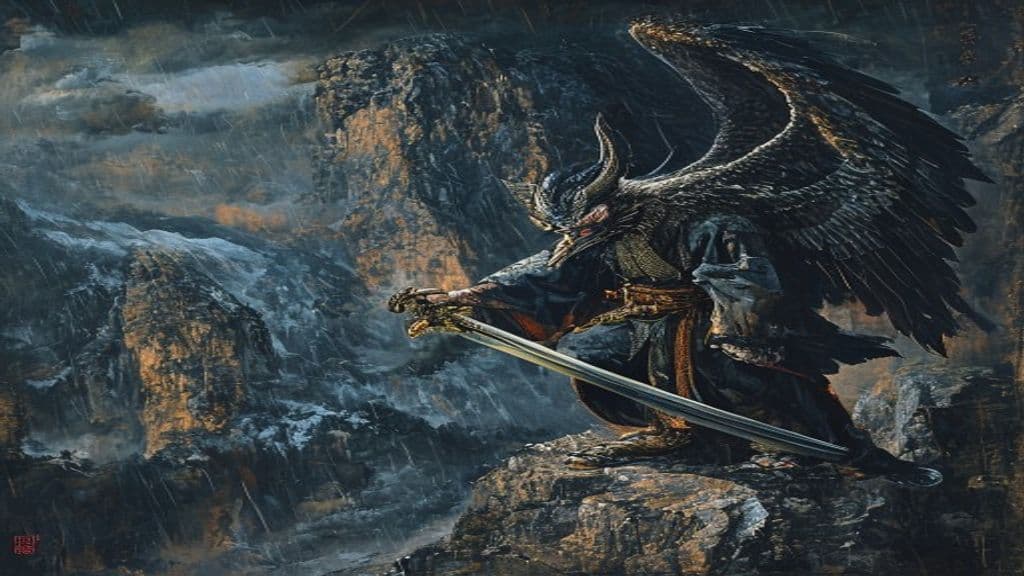
No iconographic or corporeal description of Tamonten is given in the supplied sources. The materials contain no details on physical form, clothing, attributes, or imagery.
The provided materials do not specify concrete powers, abilities, or behaviors for Tamonten. The Wikipedia excerpt situates the label within the Cāturmahārājakāyika heaven — a realm governed by the Four Heavenly Kings and inhabited by multitudes of devas — which implies a classificatory association with guardian or celestial beings in Buddhist cosmology, but the sources do not document specific acts, magical capacities, or customary behaviors attributed to Tamonten.
Tamarereti
Tamarereti is a southern Māori (Ngāi Tahu / Kai Tahu) ancestral voyager and legendary navigator whose name is given to a southern-sky star-figure Te Waka o Tamarereti. His voyage narratives connect human voyaging, celestial navigation, and memories of southern phenomena such as floating ice and the Aurora Australis.
Tamatea Arikinui
Historical Māori figure, renowned ariki and leader who played a significant role in the settlement of New Zealand. (Note: - Power tier should be Primordial since historical Māori figures are considered to have had significant cosmic influence. - Abilities need clarification; while negotiation, strategic planning, diploma)
Tamatea Pokai Whenua
Tamatea Pokai Whenua (also Tamatea Pōkaiwhenua, Tamatea Urehaea) is remembered in Māori sources as an important ariki (chieftain) and ancestral explorer whose voyages and deeds are invoked in place‑names, whakapapa, marae and iwi institutions. He is presented as a human tūpuna whose travels help explain landscape names and validate tribal affiliations rather than as a supernatural entity.
Tamatea Urehaea
Tamatea Urehaea (also known as Tamatea Pōkai-whenua and Tamatea Pōkai-moana) is a Māori ariki (chiefly ancestor and navigator) of the Tākitimu tradition and an important progenitor for Ngāti Kahungunu. Remembered as an exceptional voyager, founder of settlements, and eponym for place-names and landscape features, his deeds explain many local topographies and tribal claims to land; some regional versions also preserve mythic transformations of landscape linked to his voyages.
Tamatearokai
Tamatearokai is named in Māori ancestral tradition as the captain of the voyaging canoe Te Rangiuamutu. He functions as a founding ancestor (tohu tupuna) linked to the whakapapa of Taranaki iwi such as Ngāti Ruanui and Ngā Rauru rather than as a supernatural being.
Tamil Mythology
A collection of folklore and traditions from the Dravidian pantheon, syncretized with mainstream Hinduism. (Note: - Power tier: Incorrect; primordial implies cosmic powers beyond mortal comprehension, whereas Tamil Mythology describes a collection of folklore and traditions, not an entity with supernatural abilit)
Tan'gun
Legendary founder and first king of Gojoseon, considered divine with heavenly ancestry. (Note: - Power tier should be Primordial (but with caution, as it's not explicitly stated) - Appearance should note that no physical description exists - Abilities should specify that there is no information)
Tang Sanzang
Tang Sanzang is the fictionalized monk-protagonist of the 16th-century novel Journey to the West, modelled on the historical Xuanzang. In the novel he is a devout, compassionate pilgrim sent from Chang'an to Tianzhu to retrieve the Tripiṭaka; portrayed as a reincarnation of the Golden Cicada, he is protected by supernatural disciples and is ultimately elevated to the Buddha of Sandalwood Merit.
Tangaloa
Tangaloa is a family of sky-associated divine personages in Tongan mythology whose members together occupy roles tied to rulership of the sky and genealogical links between heavenly beings and human chiefly lines. The name is a Polynesian cognate found across island traditions with variable local functions.
Tangaroa
Tangaroa is a principal Polynesian atua of oceanic realms — in Māori tradition he is the great atua of the sea, lakes, rivers, and creatures within them, especially fish. Cognate figures (Tagaloa, Tangaloa, Taʻaroa, Kanaloa) appear across Polynesia with varying rank and functions from departmental sea-god to supreme creator in regional traditions.
Tangun Mausoleum
The Tangun Mausoleum is a historical site in North Korea, honoring the founder of Gojoseon, Korea's first kingdom. (Note: 1. "Primordial" power tier is likely too high given that it's a historical site without supernatural powers. 2. Appearance should be updated to say "no information available" or removed altogether. 3.)
Taniwha
In Māori tradition, a taniwha is a class of large, place‑bound supernatural beings associated with deep pools, caves, rivers and the sea. They can act as kaitiaki (protective guardians) of tribes and places or as dangerous, predatory creatures that punish violations of tapu and sometimes attack or abduct people.
Community Record
- [1]Cāturmahārājakāyika heaven (Wikipedia excerpt). "Cāturmahārājakāyika heaven is the first world of the devas in Buddhist cosmology. The word Cāturmahārājakāyika refers to the Four Heavenly Kings (Cāturmahārāja) who rule over this world along with the assemblage or multitude (kāyika) of beings that dwell there."wiki
- [2]Wikidata entry for Tamonten. Wikidata label/tag: "tengu in Japan."other
- [3]Archive.org file (sddefault) — no relevant folkloric content. Provided archive file contains unrelated code/commit text and no material about Tamonten; treated as non-pertinent.other